

7 Best Types of Indoor Plants for Clinics Explained
Healthcare spaces often feel sterile and unwelcoming, making patients and staff yearn for environments that support wellness and calm. Choosing the right indoor plants can make a real difference, but not every option thrives under busy clinic schedules and low light. The challenge is finding greenery that looks great, purifies the air, and survives with minimal fuss.
The good news is you do not have to settle for high-maintenance plants. This list reveals proven choices that are not only easy to care for but also work hard to improve indoor air quality and create a soothing environment. You will discover specific plant recommendations backed by research, packed with practical advice on placement and upkeep.
Get ready to see how thoughtful plant selection can transform your clinic space. The solutions shared here help you boost comfort, support health, and bring vibrant energy to every corner of your healthcare environment.
Table of Contents
- 1. Low-Light Loving Snake Plant For Easy Care
- 2. Peace Lily For Cleaner Clinic Air
- 3. ZZ Plant: Hardy Greenery For Busy Spaces
- 4. Aloe Vera For Soothing And Style
- 5. Spider Plant: Safe And Kid-Friendly Option
- 6. Pothos Vine For Effortless Hanging Displays
- 7. Rubber Plant For Bold, Modern Impact
Quick Summary
| Takeaway | Explanation |
|---|---|
| 1. Snake Plants Require Minimal Care | These plants thrive in low light and tolerate irregular watering, making them ideal for healthcare environments. |
| 2. Peace Lilies Purify Air Naturally | Their ability to absorb toxins improves indoor air quality, crucial for patient wellness in clinics. |
| 3. ZZ Plants Thrive in High-Traffic Areas | Extremely resilient and drought-tolerant, they are perfect for busy medical spaces requiring low-maintenance greenery. |
| 4. Aloe Vera Offers Healing Properties | Beyond decoration, this plant provides natural wound healing support and requires minimal maintenance to thrive. |
| 5. Spider Plants are Safe and Easy to Care For | Non-toxic and excellent at purifying air, these plants are perfect for pediatric clinics and family spaces. |
1. Low-Light Loving Snake Plant for Easy Care
Meet the ultimate low-maintenance hero of clinic greenery: the snake plant. This resilient succulent transforms clinical spaces with minimal effort while delivering impressive health benefits. Perfect for healthcare environments where consistent plant care might be challenging.
Snake plants are extraordinary performers in low-light conditions, making them ideal for medical waiting rooms, hallways, and treatment areas with limited natural light. Their remarkable adaptability allows them to thrive where other plants would struggle. Snake plants absorb pollutants and release oxygen at night, contributing to improved indoor air quality.
Key advantages of snake plants in clinical settings include:
- Extremely low maintenance requirements
- Ability to survive in indirect or low light conditions
- Natural air purification capabilities
- Minimal watering needs
- Compact growth pattern suitable for small spaces
Snake plants represent an intelligent green solution for healthcare environments that demand both aesthetic appeal and practical functionality.
Healthcare facility managers appreciate that these plants require virtually no specialized care. They tolerate irregular watering and can survive in temperatures ranging from 50 to 85 degrees Fahrenheit. Their vertical growth pattern means they occupy minimal floor space while delivering maximum visual impact.
Pro tip: Position snake plants near air vents or in corners with minimal direct sunlight to optimize their growth and air-purifying potential.
2. Peace Lily for Cleaner Clinic Air
Peace lilies emerge as nature’s air purification powerhouse for healthcare environments. These elegant plants do more than beautify clinic spaces they actively contribute to healthier indoor atmospheres.
Indoor air quality dramatically impacts patient wellness and peace lilies are extraordinary performers in this critical domain. Their unique ability to absorb harmful toxins like formaldehyde and benzene makes them an excellent choice for medical settings.
Key benefits of peace lilies in clinical environments include:
- Natural air purification
- Humidity regulation
- Low light tolerance
- Minimal maintenance requirements
- Aesthetic visual appeal
Peace lilies transform clinical spaces from sterile environments into healing green sanctuaries.
These plants thrive in low to medium indirect light and require consistent moisture. Their broad, deep green leaves efficiently filter airborne pollutants while releasing clean oxygen. For healthcare facilities aiming to create more supportive healing environments, peace lilies represent a scientifically smart green solution.
Pro tip: Position peace lilies near waiting areas or treatment rooms with indirect light to maximize their air-purifying potential and create a calming atmosphere.
3. ZZ Plant: Hardy Greenery for Busy Spaces
For healthcare facilities seeking virtually indestructible greenery, the ZZ plant stands out as an unparalleled champion of low-maintenance indoor landscaping. These remarkable plants transform clinical environments with minimal effort and maximum resilience.
Indoor plant care strategies reveal that ZZ plants are perfectly suited for high-traffic medical spaces. Their extraordinary adaptability allows them to thrive where other plants would struggle.
Key advantages of ZZ plants in clinical settings include:
- Extreme drought tolerance
- Ability to survive in low light conditions
- Minimal watering requirements
- Resistance to temperature fluctuations
- Compact and professional appearance
The ZZ plant represents nature’s solution for healthcare spaces demanding green resilience with zero complexity.
Their glossy, dark green leaves create a sophisticated visual statement while requiring almost no maintenance. Healthcare facilities can confidently place these plants in waiting rooms, reception areas, and corridors knowing they will maintain their aesthetic appeal with minimal intervention.
Pro tip: Place ZZ plants in ceramic pots with drainage holes and avoid overwatering to ensure their long term health and vitality.
4. Aloe Vera for Soothing and Style
Aloe vera emerges as a healthcare hero plant combining aesthetic elegance with remarkable healing properties. This versatile succulent transforms clinical spaces while offering therapeutic potential beyond simple decoration.
Wound healing properties support patient comfort and create a more nurturing environment. Its unique ability to soothe skin irritations makes aloe vera an exceptional addition to medical settings.
Key advantages of aloe vera in clinical environments include:
- Natural wound healing support
- Minimal maintenance requirements
- Attractive architectural design
- Potential topical medical applications
- Air-purifying capabilities
- Compact growth pattern
- Drought-tolerant characteristics
Aloe vera represents the perfect fusion of functional healing and interior design sophistication.
Bright indirect light and occasional watering keep these plants thriving with minimal intervention. Their sculptural leaves create visual interest while standing ready to provide potential therapeutic benefits. Healthcare managers appreciate plants that look professional and serve multiple purposes.
Pro tip: Position your aloe vera near a bright window but avoid direct sunlight to maintain its optimal health and appearance.
5. Spider Plant: Safe and Kid-Friendly Option
Spider plants emerge as the superhero of kid-friendly greenery for healthcare environments. These charming plants offer maximum safety with minimal maintenance making them perfect for pediatric clinics and family spaces.
Nontoxic indoor plant options provide peace of mind for healthcare managers concerned about patient safety. Spider plants deliver aesthetic appeal without introducing potential hazards to children or curious patients.
Key advantages of spider plants in clinical settings include:
- Completely non-toxic to children
- Excellent air purification capabilities
- Minimal care requirements
- Attractive cascading foliage
- Adaptable to various light conditions
- Quick propagation potential
- Stress-reducing visual appeal
Spider plants transform clinical spaces into welcoming green environments without compromising safety.
Their ability to filter indoor air pollutants like formaldehyde makes them more than just a decorative element. Healthcare facilities can strategically place these plants to enhance both aesthetic and environmental quality while ensuring child safety.
Pro tip: Position spider plants in hanging baskets or high shelves to create visual interest while keeping trailing leaves safely out of children’s reach.
6. Pothos Vine for Effortless Hanging Displays
Pothos vines represent the ultimate solution for clinics seeking elegant vertical greenery with minimal effort. These remarkable plants transform sterile spaces into vibrant healing environments without demanding complex maintenance.
Indoor air quality improvements make pothos an intelligent choice for healthcare spaces. Their trailing vines create stunning visual displays while actively filtering indoor pollutants.
Key advantages of pothos vines in clinical settings include:
- Exceptional air purification capabilities
- Minimal light and water requirements
- Versatile hanging and climbing potential
- Attractive cascading growth pattern
- Low maintenance needs
- Adaptable to various indoor conditions
- Aesthetic visual interest
Pothos vines transform clinical spaces from sterile to serene with effortless green elegance.
Healthcare facilities can strategically position these plants in hanging baskets near reception areas or treatment rooms. Their ability to thrive in indirect light and tolerate occasional neglect makes them perfect for busy medical environments.
Pro tip: Select lightweight ceramic or plastic hanging planters with drainage holes to ensure optimal pothos vine health and prevent water damage to clinic surfaces.
7. Rubber Plant for Bold, Modern Impact
Rubber plants emerge as the ultimate statement piece for clinics seeking sophisticated greenery with minimal maintenance. These architectural plants transform clinical spaces with their stunning glossy leaves and structured silhouette.
Modern interior plant design transforms healthcare environments beyond traditional sterile aesthetics. Rubber plants create visual anchors that simultaneously enhance decor and improve indoor air quality.
Key advantages of rubber plants in clinical settings include:
- Dramatic architectural presence
- Large, glossy leaf structure
- Air purification capabilities
- Low maintenance requirements
- Adaptable to various light conditions
- Modern design aesthetic
- Stress-reducing visual impact
Rubber plants represent nature’s sculptural solution for contemporary healthcare spaces.
Their robust form and deep green coloration make them natural focal points in waiting rooms and reception areas. Healthcare facilities can strategically position these plants to create visual interest while supporting a calming, professional atmosphere.
Pro tip: Place rubber plants near windows with filtered light and rotate them quarterly to ensure even growth and maintain their striking architectural shape.
Below is a comprehensive table summarizing the key characteristics and benefits of various plants suitable for clinical environments, as discussed in the article.
| Plant Name | Key Characteristics | Best Applications |
|---|---|---|
| Snake Plant | Resilient in low light, minimal watering, air-purifying properties. | Ideal for waiting rooms, hallways, and low-care areas. |
| Peace Lily | Absorbs toxins, regulates humidity, thrives with consistent moisture and low light. | Suitable for treatment rooms and waiting areas for air quality improvement. |
| ZZ Plant | Tolerant to drought, adaptable to low light, minimal maintenance. | Optimal for high-traffic reception areas and corridors. |
| Aloe Vera | Has healing properties, requires brightness but not direct sunlight, purifies air. | Beneficial for patient-focused rooms with indirect light. |
| Spider Plant | Non-toxic, easy to maintain, filters indoor air pollutants. | Pediatric clinics and family spaces enhancing safety and atmosphere. |
| Pothos Vine | Adaptable trailing plant, minimal water and light needs, air-purifying. | Hanging baskets in reception or treatment areas for elegance and functionality. |
| Rubber Plant | Visually striking with glossy leaves, adaptable, purifies air. | Focal point in modern-designed waiting areas and offices. |
Elevate Clinic Environments with Expert Indoor Plant Solutions
Creating healing and welcoming clinic spaces often comes with the challenge of balancing aesthetics with practical care needs. This article highlights how plants like snake plants, peace lilies, and ZZ plants not only improve air quality and patient well-being but also require minimal maintenance. If you are seeking to integrate these resilient, health-boosting indoor plants into your healthcare facility without the hassle, Trendy Gardener offers tailored solutions to meet those exact needs.
Discover the benefits of a professional plant program that provides:
- Customized plant selection based on your clinic’s unique lighting and space
- Full-service installation and ongoing care to keep plants thriving effortlessly
- Stylish and functional plant designs that enhance patient comfort and safety
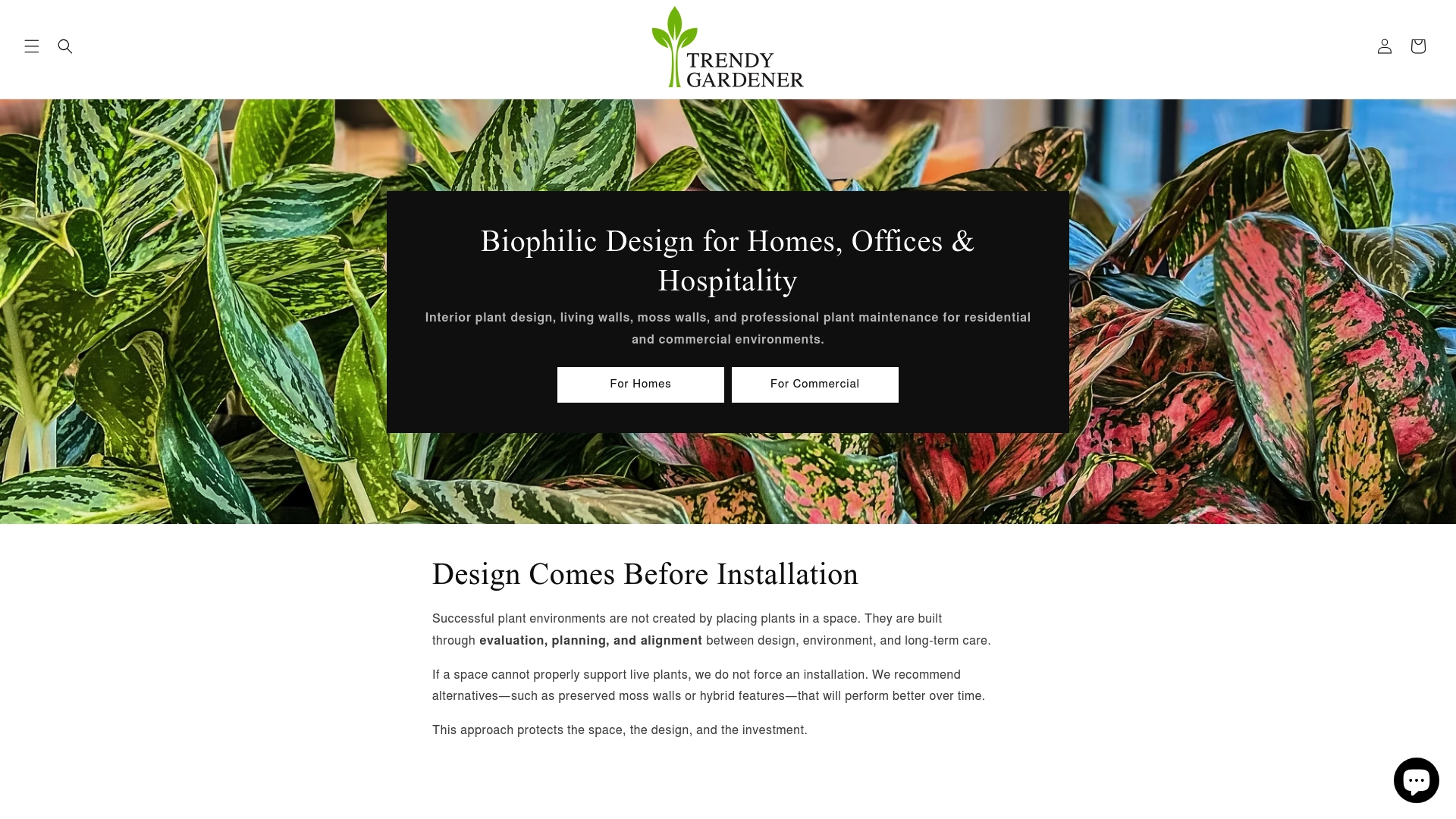
Transform your clinical spaces today with expert indoor plant styling and maintenance from Trendy Gardener. Experience the perfect fusion of biophilic design and operational reliability that ensures your greenery looks exceptional on day one and stays beautiful long term. Visit us now and start your journey toward a healthier and more inviting clinic atmosphere.
Frequently Asked Questions
What are the benefits of using indoor plants in clinics?
Indoor plants improve indoor air quality, create a calming atmosphere, and enhance the aesthetic appeal of clinical spaces. Incorporating plants like snake plants and peace lilies can lead to a more welcoming environment and potentially improve patient wellness over time.
How do I choose the right indoor plants for my clinic?
Select plants based on maintenance requirements, light conditions, and safety for patients. Consider options like ZZ plants or spider plants for low-light areas and minimal maintenance, ensuring they match the specific environment in your clinic.
How often should I water indoor plants in a clinic setting?
Watering frequency depends on the plant type and environmental conditions. Generally, water once every 1 to 3 weeks, allowing the soil to dry out between watering, especially for drought-tolerant plants like Aloe Vera or ZZ plants.
What are the best locations to place indoor plants in a clinic?
Position plants in areas with indirect light, such as waiting rooms and hallways. For maximum visual impact and air-purifying benefits, place them near air vents or in corners where they can thrive without direct sunlight.
Can indoor plants in clinics help reduce stress for patients?
Yes, incorporating greenery can create a more calming atmosphere, which helps reduce stress levels among patients. Aim to include plants like rubber plants and peace lilies to enhance the overall healing environment in your clinic.
How can I ensure the longevity of indoor plants in my clinic?
To promote plant health, select low-maintenance varieties and monitor light and watering needs. Regularly check for pests and adjust their positions as necessary to ensure they receive optimal care, enhancing their lifespan and visual appeal.