

Master Indoor Plant Care Workflow for Luxe Spaces
Finding the perfect balance between luxury and nature in opulent Des Moines homes often depends on thoughtful indoor plant placement. Evaluating each space for light and proportion ensures greenery becomes a vibrant focal point, not just an accent. This guide empowers you to achieve visual harmony by matching premium plants with the unique lighting and spatial qualities of your interiors, transforming sophisticated environments into lush, serene retreats.
Table of Contents
- Step 1: Assess Space And Lighting For Plant Placement
- Step 2: Select Premium Indoor Plants For Your Design
- Step 3: Prepare Containers And Soil For Optimal Growth
- Step 4: Implement Tailored Watering And Feeding Routines
- Step 5: Verify Plant Health And Aesthetics Regularly
Quick Summary
| Key Point | Explanation |
|---|---|
| 1. Assess space and lighting | Evaluate your interior’s light conditions and dimensions to select plants that will thrive in specific areas. |
| 2. Choose premium indoor plants | Select plants that enhance your design while considering their specific light and care needs for optimal integration. |
| 3. Prepare proper containers and soil | Use suitable materials and customized soil for healthy plant growth, ensuring proper drainage and nutrient supply. |
| 4. Implement tailored watering routines | Develop specific watering schedules based on each plant’s unique moisture needs to avoid overwatering or drought stress. |
| 5. Regularly verify plant health | Conduct consistent inspections to monitor growth, leaf health, and pests, allowing for proactive care and maintenance. |
Step 1: Assess space and lighting for plant placement
Successfully creating a luxurious indoor plant environment starts with strategic space and lighting evaluation. Understanding your interior’s unique characteristics determines which plants will thrive and transform your living spaces into vibrant, green sanctuaries.
Begin by conducting a comprehensive visual assessment of your interior spaces. Map out areas with different light exposures, noting how sunlight travels through rooms during various times of day. Site inventory techniques reveal critical details about potential plant locations. Key considerations include:
- Direct sunlight zones near windows
- Filtered light areas with partial shade
- Low light regions away from natural illumination
Carefully examine each room’s architectural features and spatial dimensions. Consider factors like windowsill dimensions, wall spacing, and potential plant placement areas. Some spaces might accommodate larger statement plants, while others work best with compact greenery.
Proportion and visual harmony are essential when integrating plants into sophisticated interior designs.
Understand that different plant species require varying light intensities. Tropical plants often need bright, indirect light, while shade-tolerant varieties can flourish in darker corners. Indoor landscape design demands thoughtful matching of plant needs with available light conditions.
Pro tip: Use a light meter app on your smartphone to precisely measure light intensity in different areas before selecting plant species.
Step 2: Select premium indoor plants for your design
Creating a luxurious interior landscape requires carefully selecting premium indoor plants that elevate your space’s aesthetic and functional qualities. Interior plantscaping strategies help transform ordinary rooms into extraordinary green sanctuaries.
Consider these exceptional plant varieties for sophisticated design:
- Fiddleleaf Fig: Bold architectural statement with dramatic large leaves
- Snake Plant: Sleek, low-maintenance air purification option
- Monstera: Dramatic tropical foliage with striking visual impact
- ZZ Plant: Glossy, hardy variety for challenging light conditions
- Pothos: Versatile trailing plant perfect for elevated design
When selecting plants, prioritize compatibility with your space. Evaluate each plant’s specific requirements, including light exposure, humidity levels, and maintenance needs. Some plants demand bright indirect light, while others thrive in low-light environments.
Choose plants that not only look stunning but also integrate seamlessly with your interior design aesthetic.
Understand that premium indoor plant selection involves more than visual appeal. Consider factors like pet safety, growth potential, and long-term care requirements. Match plant characteristics with your lifestyle and design vision to create a cohesive, vibrant interior landscape.
Here’s a quick comparison of common indoor plant varieties and their ideal growing conditions:
| Plant Variety | Light Requirement | Best Placement |
|---|---|---|
| Fiddleleaf Fig | Bright, indirect light | Near east or south windows |
| Snake Plant | Low to bright, indirect | Corners or shaded spots |
| Monstera | Moderate, indirect | Away from direct sun |
| ZZ Plant | Low to moderate light | Hallways or dim areas |
| Pothos | Low to moderate light | Bookshelves, hanging baskets |
Pro tip: Always purchase plants from reputable nurseries and inspect each specimen carefully for health, checking leaves, stems, and root systems before making your final selection.
Step 3: Prepare containers and soil for optimal growth
Creating the perfect environment for your indoor plants begins with thoughtful selection of containers and soil. Container gardening techniques are crucial for ensuring your plants’ long-term health and aesthetic appeal.
When choosing containers, consider these key factors:
- Material selection: Ceramic, plastic, wood, or felt
- Drainage capabilities: Essential for preventing root rot
- Size considerations: Must accommodate mature root systems
- Aesthetic compatibility: Matches your interior design vision
Soil composition is equally critical for plant success. Avoid using standard garden soil, which can compact and suffocate roots. Instead, create a custom potting mix that provides optimal growing conditions.
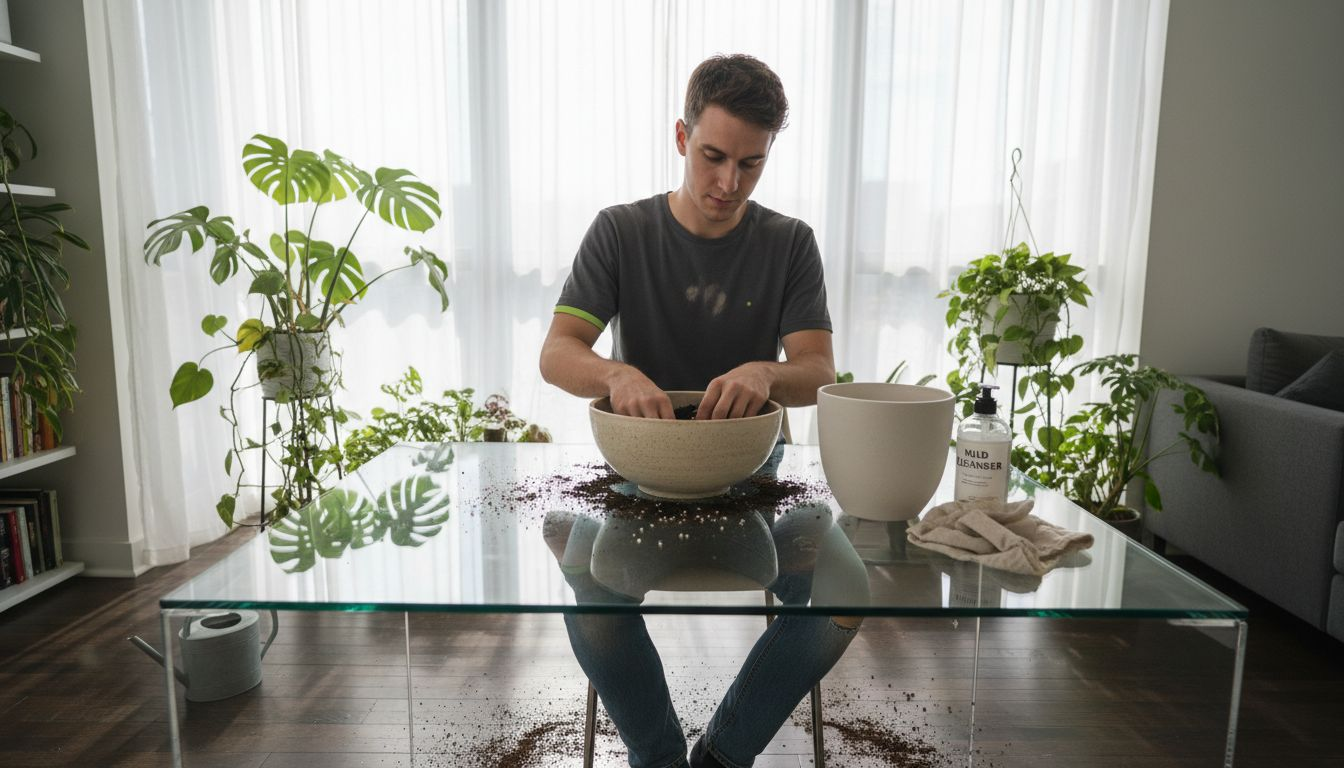
The table below summarizes container materials and their unique benefits for indoor gardening:
| Container Material | Key Benefits | Considerations |
|---|---|---|
| Ceramic | Stylish, stable, insulates | Heavier, can break |
| Plastic | Lightweight, affordable | Less durable, may discolor |
| Wood | Natural look, insulates | Prone to rot, needs lining |
| Felt | Promotes root aeration | Less structure, dries quickly |
Professional plantscapers know that the right container and soil mix are foundational to plant health.
A high-quality potting mix should include ingredients that support plant growth. Typical components include peat or coir for moisture retention, perlite for aeration, pine bark for structure, and compost for nutrient supply. Tailor your mix to the specific needs of each plant species, ensuring they receive proper nutrition and drainage.
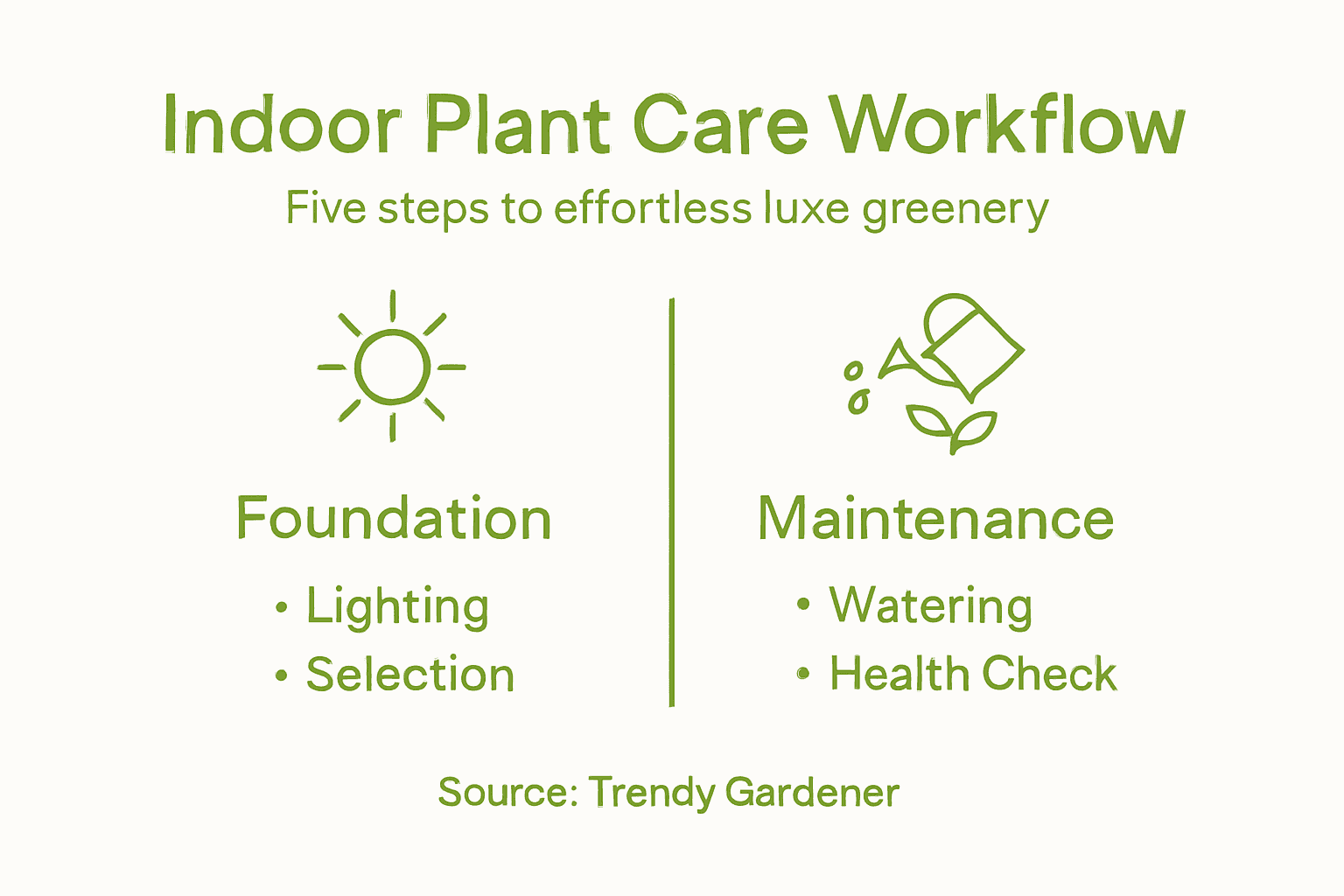
Pro tip: Before potting, always sanitize your containers with a mild bleach solution to eliminate potential pathogens that could harm your plants.
Step 4: Implement tailored watering and feeding routines
Mastering the art of plant care requires understanding the nuanced watering needs of your indoor greenery. Indoor plant watering techniques are essential for maintaining vibrant, healthy plants in your luxurious spaces.
Each plant species demands a unique watering approach:
- Tropical plants: Consistently moist soil
- Succulents: Minimal water, allow soil to dry completely
- Ferns: Regular moisture, never soggy
- Cacti: Infrequent deep watering
- Orchids: Specific humidity and water requirements
Feeding schedules are equally critical. Most indoor plants benefit from monthly fertilization during growing seasons, typically spring and summer. Reduce feeding during winter months when plant growth naturally slows.
Professional plant care is about understanding each plant’s unique biological rhythms.
For precision plant care, advanced watering systems can help eliminate human error. These smart technologies use soil moisture sensors to deliver water only when necessary, preventing both overwatering and drought stress.
Pro tip: Create a plant care calendar with individualized watering and feeding schedules, color-coding each plant to track its specific needs effectively.
Step 5: Verify plant health and aesthetics regularly
Maintaining the luxurious appearance of your indoor plants requires consistent and strategic health monitoring. Regular plant inspections are critical for preserving the vibrant aesthetic of your interior greenery.
Develop a comprehensive plant health checklist focusing on these key indicators:
- Leaf color and texture: Look for uniform green color and firm structure
- Growth patterns: Check for symmetrical and consistent growth
- Pest detection: Inspect for tiny insects or unusual spots
- Root health: Examine soil and root system during occasional repotting
- Overall vitality: Assess plant’s response to current care routine
Seasonal assessments are particularly important. End-of-season plant care involves cleaning foliage, pruning leggy growth, and preparing plants for changing environmental conditions.
Professional plant care is about proactive monitoring, not reactive treatment.
Document your observations in a dedicated plant journal, tracking each plant’s unique characteristics and response to care. This approach allows you to make informed adjustments and catch potential issues before they become significant problems.
Pro tip: Photograph your plants monthly from the same angle to create a visual health timeline and easily track subtle changes in their appearance and growth.
Elevate Your Luxe Space with Expert Indoor Plant Care
Creating and maintaining a luxurious indoor plant environment takes more than just picking pretty greenery. As the article highlights, understanding space, lighting, plant selection, and tailored care routines can feel overwhelming. You want your indoor plants to thrive with precise watering, premium soil, and stylish containers while enhancing your sophisticated interior design with balanced proportions
Trendy Gardener specializes in transforming these challenges into effortless beauty. Our premium biophilic design services and interior plantscaping solutions ensure every detail from consultation, sourcing, to ongoing maintenance is perfectly executed. Whether you crave statement plants like fiddleleaf figs or tailored plant leasing programs, we provide the expertise to keep your spaces vibrant and alive.
Ready to bring expert plant care and stunning design to your home or office right now Visit Trendy Gardener to discover how our complete plant programs and maintenance services unlock the full potential of your indoor greenery. Experience the difference when your luxe spaces feel truly intentional elevated and flourishing with life.
Learn more about how our interior plant design and ongoing plant maintenance services align perfectly with the expert care workflow outlined in this guide.
Frequently Asked Questions
How do I assess my space and lighting for indoor plant placement?
To assess your space and lighting, conduct a visual evaluation of your interior areas, observing how sunlight moves throughout the day. Map out zones with direct sunlight, filtered light, and low-light conditions, and use a light meter app to get precise measurements.
What are the best indoor plant options for luxurious spaces?
Premium indoor plants that elevate aesthetics include Fiddleleaf Fig, Snake Plant, Monstera, ZZ Plant, and Pothos. Select plants that match your space’s lighting and layout while considering their individual care requirements to ensure a cohesive design.
How can I prepare containers and soil for my indoor plants?
Choose containers made from materials like ceramic, plastic, or wood, ensuring they have proper drainage. Create a custom potting mix using peat, perlite, and compost to provide adequate nutrients and prevent root rot, promoting optimal plant growth.
What watering routine should I implement for my indoor plants?
Establish a tailored watering routine based on each plant’s specific needs, such as maintaining consistently moist soil for tropical plants or allowing succulents to dry completely. Create a schedule to check on each plant’s watering requirement at least weekly to ensure their health.
How can I monitor the health and aesthetics of my indoor plants?
Regularly inspect your plants for leaf color, growth patterns, signs of pests, and overall vitality. Document your observations in a plant journal and conduct seasonal assessments to adjust care routines and keep your plants looking their best.
What action should I take if my plant shows signs of distress?
If your plant appears unhealthy, start by checking the soil moisture and lighting conditions. Make any necessary adjustments—such as changing watering frequency or relocating to a better-lighted area—within a few days to help the plant recover.