

Step-by-step indoor plant staging for stunning interiors
Transforming your Iowa home with indoor plants should feel effortless, not overwhelming. Many homeowners and designers struggle to create balanced, inviting spaces that showcase plants beautifully while supporting wellness. This guide delivers clear, expert-backed staging techniques that elevate your interiors through intentional plant placement, proper preparation, and sustainable maintenance practices. You’ll learn exactly how to select, position, and care for indoor plants to achieve professional results that look exceptional and stay that way.
Table of Contents
- Key takeaways
- Preparing for successful indoor plant staging
- Step-by-step instructions for indoor plant staging
- Common mistakes and troubleshooting indoor plant staging
- Verifying results and maintaining your indoor plant staging
- Enhance your indoor garden with Trendy Gardener
- FAQ
Key Takeaways
| Point | Details |
|---|---|
| Light zones assessment | Identify bright direct, moderate filtered, and low indirect light in each room to match plants to conditions. |
| Preparation essentials | Gather decorative pots with drainage, indoor potting mix, stands, a moisture meter, a spray bottle, and a soft cloth to support healthy staging. |
| Strategic placement | Position tall plants in corners or beside furniture, mid height on stands, and trailing varieties on high shelves for visual balance. |
| Grouping for balance | Arrange plants in odd numbers and vary leaf shapes to create natural focal points and organic rhythm. |
| Humidity and care | Maintain humidity near forty to sixty percent by grouping moisture loving plants and using humidifiers during dry Iowa winters. |
Preparing for successful indoor plant staging
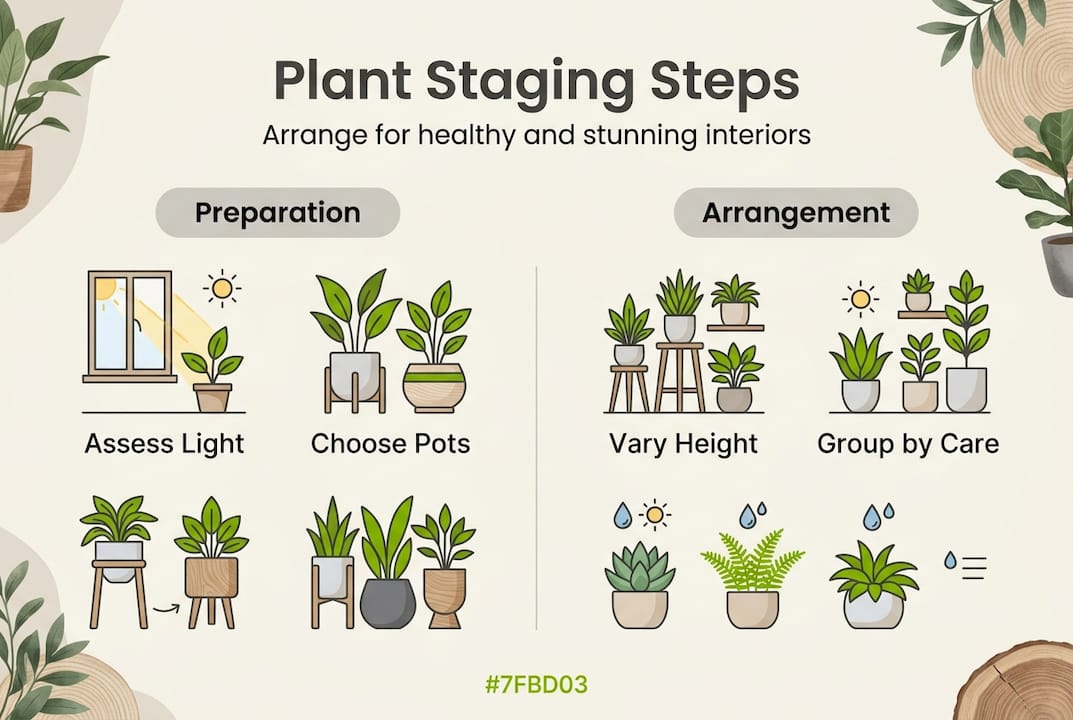
Before placing a single plant, you need the right foundation. Iowa’s indoor conditions vary significantly by season, with dry winter air from heating systems and humid summers. Selecting plants suited to indoor light and space is crucial for success, so start by assessing your home’s unique environment.
Identify your light zones first. South-facing windows offer bright, direct light perfect for succulents and cacti. East and west exposures provide moderate, filtered light ideal for pothos and philodendrons. North-facing rooms receive low, indirect light where snake plants and ZZ plants excel. Walk through each room at different times of day to understand how natural light moves through your space.
Gather your staging essentials before shopping for plants. You’ll need decorative pots with drainage holes, matching saucers, quality potting mix formulated for indoor use, and basic tools including a watering can with a narrow spout, pruning shears, and a moisture meter. Plant stands at varying heights create visual interest and improve air circulation around foliage.
Pro Tip: Choose plants that also support air quality for wellness benefits, such as spider plants, peace lilies, and rubber trees, which naturally filter common indoor pollutants.
Here’s your complete preparation checklist:
- Moisture meter to prevent overwatering
- Variety of pot sizes in cohesive style
- Indoor potting mix with perlite for drainage
- Plant stands in three different heights
- Spray bottle for humidity-loving species
- Soft cloth for leaf cleaning
- Liquid fertilizer formulated for houseplants
| Plant type | Light needs | Watering frequency | Ideal Iowa location |
|---|---|---|---|
| Pothos | Low to bright indirect | Every 7-10 days | Any room, adaptable |
| Snake plant | Low to moderate | Every 2-3 weeks | Bedrooms, low-light corners |
| Fiddle leaf fig | Bright indirect | Weekly when top 2 inches dry | Living room near windows |
| Peace lily | Low to moderate | Weekly, prefers moist soil | Bathrooms, offices |
| Rubber tree | Bright indirect | Every 7-10 days | Dining areas, entryways |
| Monstera | Moderate to bright indirect | Every 7-10 days | Statement corners, atriums |
Understanding humidity requirements matters in Iowa’s climate. Most tropical houseplants prefer 40-60% humidity, but winter heating can drop indoor levels to 20-30%. Group moisture-loving plants together to create microclimates, or place them near humidifiers. Bathrooms naturally offer higher humidity, making them perfect for ferns and calatheas.
Step-by-step instructions for indoor plant staging
With preparation complete, you’re ready to transform your space. Strategic plant placement enhances both aesthetics and well-being in interior spaces, so follow these proven steps for professional results.
-
Analyze your room layout and natural light flow by observing how sunlight moves throughout the day. Mark high-light zones near windows, medium-light areas within six feet of windows, and low-light corners farther from natural sources. Consider artificial lighting patterns for evening ambiance and supplemental plant growth.
-
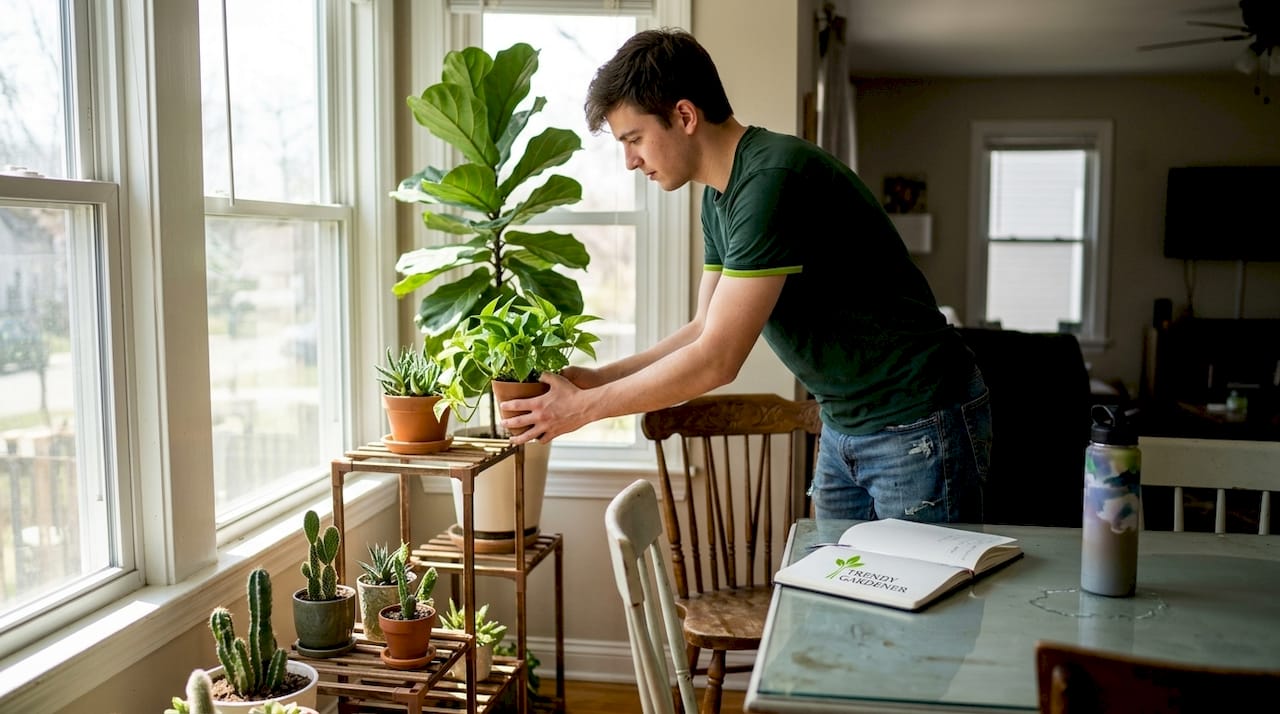
Position plants for visual balance by varying heights and textures across the space. Place tall floor plants like fiddle leaf figs or bird of paradise in corners or flanking furniture. Medium-height plants on stands work beautifully on side tables or shelves. Trailing plants like pothos cascade elegantly from high shelves or hanging planters.
-
Group plants in odd numbers for natural, organic appeal that feels intentional rather than symmetrical. Clusters of three or five plants create focal points that draw the eye. Mix leaf shapes and sizes within groups: pair broad-leafed monstera with delicate ferns and upright snake plants for dynamic contrast.
-
Use decorative pots and stands to complement your interior style while supporting plant health. Choose containers that coordinate with your color palette but don’t compete with the plants themselves. Neutral tones in ceramic, terracotta, or woven baskets work universally. Ensure every decorative pot has drainage or use a nursery pot inside for proper water management.
-
Avoid overcrowding by allowing breathing space between plants and furniture. Each plant needs adequate air circulation to prevent fungal issues and pest infestations. Leave at least 12-18 inches between large floor plants and 6-8 inches between smaller specimens on shelves.
Pro Tip: Rotate plants regularly to maintain even growth and display balance, turning each one a quarter turn weekly so all sides receive equal light exposure.
Mindful plant care transforms staging from decoration into a living, breathing element of your home that evolves with the seasons and responds to your attention with vibrant growth and lasting beauty.
Consider scale when staging plants in different rooms. Large, open living areas can handle dramatic specimens like 6-foot rubber trees or split-leaf philodendrons. Compact spaces benefit from vertical arrangements using wall-mounted planters or tiered stands that maximize floor space. Entryways make powerful first impressions with symmetrical plant pairs flanking doorways.
Layer your plant staging by creating depth through foreground, middle ground, and background placement. Position shorter plants at eye level on tables, medium plants on the floor or low stands, and taller specimens behind to create a lush, dimensional look. This layering technique mimics natural landscapes and feels more organic than linear arrangements.
Common mistakes and troubleshooting indoor plant staging
Even experienced plant enthusiasts encounter challenges. Indoor plants can fail due to poor staging choices impacting their health and appearance, so learning to identify and correct errors quickly preserves your investment and maintains visual appeal.
Overcrowding ranks as the most frequent staging mistake. When plants compete for light and air circulation, they become susceptible to pests, fungal diseases, and stunted growth. If you notice yellowing leaves, leggy stems reaching toward light, or pest infestations, your arrangement likely needs more breathing room. Remove some plants or redistribute them to less crowded areas.
Poor light matching causes slow decline that’s easy to miss initially. A fiddle leaf fig placed in a dark corner will drop leaves gradually over months. Snake plants in direct sun develop brown, scorched patches. Always research each plant’s specific light requirements and observe how it responds in its location during the first month. Adjust placement if you see signs of stress.
Ignoring moisture needs leads to root rot from overwatering or crispy, brown leaf edges from dehydration. Iowa’s seasonal humidity swings complicate watering schedules. Use a moisture meter to check soil before watering rather than following a rigid schedule. Most houseplants prefer soil that dries slightly between waterings, but specific needs vary dramatically.
Inappropriate containers limit both plant health and aesthetic impact. Pots without drainage cause waterlogged soil and root death. Containers too small restrict root growth and require constant watering. Pots too large hold excess moisture that roots can’t absorb, creating anaerobic conditions. Choose containers 1-2 inches larger than the current root ball for optimal growth.
Top 5 staging errors with corrective actions:
- Placing all plants at the same height creates flat, uninspiring displays. Fix by introducing varied elevations using stands, shelves, and hanging options.
- Using only one plant type or color throughout lacks visual interest. Correct by mixing leaf shapes, textures, and growth habits for dynamic contrast.
- Neglecting seasonal light changes causes stress as sun angles shift. Address by moving plants or adding grow lights during darker Iowa winters.
- Forgetting to clean leaves reduces photosynthesis and dulls appearance. Remedy with monthly gentle wiping using a damp cloth to remove dust.
- Staging plants in high-traffic areas where they’ll be bumped or damaged. Relocate to stable positions away from doorways and active play zones.
Adjust your staging as seasons change and your plants mature. Winter’s lower light levels may require moving some specimens closer to windows or supplementing with grow lights. Summer’s intensity might necessitate sheer curtains to filter harsh afternoon sun. As plants grow, they’ll need larger pots, more space, and potentially new positions to maintain balanced proportions in your staged arrangement.
Watch for early warning signs that staging needs adjustment. Leaning growth indicates insufficient light from one direction. Drooping leaves despite adequate water suggest root problems or extreme temperature stress. Rapid leaf drop signals shock from drafts, temperature fluctuations, or major environmental changes. Address issues promptly to prevent permanent damage.
Verifying results and maintaining your indoor plant staging
Successful staging isn’t a one-time achievement but an ongoing relationship with your plants. Regular maintenance and periodic verification ensure vibrant indoor plant displays and wellness benefits stay optimal throughout the year.
Review plant health indicators monthly to catch problems early. Vibrant, consistent leaf color signals proper light and nutrition. New growth emerging from stems or soil indicates your plant thrives in its current location. Strong, upright stems without yellowing or browning show adequate water and appropriate pot size. Pest-free foliage with no webbing, spots, or sticky residue confirms good air circulation and plant vigor.
| Well-maintained staging | Neglected staging |
|---|---|
| Vibrant, uniform leaf color | Yellowing, spotted, or brown leaves |
| New growth regularly emerging | Stunted growth or leaf drop |
| Clean, dust-free foliage | Dusty leaves with reduced shine |
| Balanced, upright form | Leggy, leaning, or sparse growth |
| No visible pests or damage | Webbing, holes, or pest activity |
| Moist but not soggy soil | Bone-dry or waterlogged soil |
Establish a consistent maintenance routine that fits your schedule. Weekly tasks include checking soil moisture, watering as needed, and rotating plants for even growth. Monthly responsibilities involve fertilizing during growing season (spring through early fall), cleaning leaves to maximize photosynthesis, and inspecting for pests. Quarterly duties include pruning dead or damaged growth, refreshing top soil, and evaluating whether plants need repotting.
Your essential maintenance task list:
- Check soil moisture before each watering session
- Water thoroughly until it drains from pot bottom
- Wipe leaves gently with damp cloth monthly
- Fertilize every 4-6 weeks during active growth
- Prune dead or yellowing leaves promptly
- Inspect undersides of leaves for pests weekly
- Rotate each plant one quarter turn weekly
- Adjust watering frequency with seasonal changes
Pro Tip: Use natural light adjustment techniques or supplemental lighting to support plants seasonally, adding full-spectrum LED grow lights on timers during Iowa’s darker winter months to maintain growth and prevent etiolation.
Create a maintenance calendar to track care activities and plant responses. Note watering dates, fertilizer applications, and any observations about growth patterns or health changes. This record helps you identify patterns, adjust care routines, and troubleshoot problems by correlating symptoms with recent changes in care or environment.
Document your staging success with photos taken monthly from the same angles. Visual records reveal growth progress, help you spot gradual changes you might miss daily, and inspire future staging decisions. Compare current photos to originals to appreciate how your plants have matured and your skills have developed.
Reevaluate your entire staging arrangement seasonally. As plants grow larger, they may need repositioning to maintain balanced proportions. New acquisitions require integration into existing displays. Seasonal decor changes offer opportunities to refresh plant groupings and try new combinations. Stay flexible and willing to experiment as your indoor garden evolves.
Enhance your indoor garden with Trendy Gardener
Ready to elevate your plant staging beyond individual specimens? Trendy Gardener’s 24 pocket wall mounted living wall system transforms vertical spaces into lush focal points that combine artistic design with natural wellness benefits. For larger installations, our recirculating living wall system delivers automated care and dramatic impact perfect for statement walls or commercial applications.
Our end-to-end plant programs handle everything from initial consultation through ongoing maintenance, ensuring your staged plants look exceptional on day one and stay that way. Whether you need bespoke living walls, custom preserved moss installations, or comprehensive plant care services, Trendy Gardener brings operational reliability and expert plant knowledge to every project. Explore our full range of biophilic design solutions crafted for homeowners and designers who demand spaces that feel intentional, elevated, and alive.
FAQ
What is the best way to choose indoor plants for staging?
Choose plants based on your specific indoor light conditions, Iowa’s seasonal humidity fluctuations, and your available space dimensions for the healthiest, most attractive staging results. Match low-light tolerant species like pothos or snake plants to dim corners, while reserving bright indirect light near windows for fiddle leaf figs or rubber trees. Consider your commitment level, selecting low-maintenance varieties if you travel frequently or prefer minimal care routines.
How often should I rotate my plants for optimal staging?
Rotate plants every one to two weeks to promote even growth and maintain aesthetic balance across all sides of each specimen. Turn each plant approximately one quarter turn during your regular watering routine so all foliage receives equal light exposure. Adjust rotation frequency according to plant species and light intensity, with faster-growing plants in bright locations benefiting from weekly turns while slow-growing specimens in lower light need less frequent rotation.
Can indoor plant staging improve wellness at home?
Yes, well-staged indoor plants enhance air quality by filtering common pollutants and reduce stress through biophilic connection to nature, boosting overall home wellness significantly. Research confirms that indoor plants lower cortisol levels, improve focus, and increase feelings of calm in living spaces. Choose plants known for air-purifying qualities like spider plants, peace lilies, and snake plants to maximize health benefits alongside aesthetic appeal.
What maintenance mistakes damage staged plant displays most?
Overwatering causes more plant deaths than any other factor, creating root rot that’s difficult to reverse once established. Inconsistent care schedules confuse plants and prevent them from establishing healthy growth rhythms. Neglecting to clean leaves reduces photosynthesis efficiency and allows pest populations to build unnoticed, eventually compromising entire displays and requiring intensive intervention to restore plant health and visual appeal.