


What Is Interior Landscaping and Its Impact on Spaces
Finding ways to make indoor spaces in Greater Des Moines feel welcoming and vibrant can be a challenge when you are working with minimal natural elements. The shift toward innovative biophilic solutions puts interior landscaping at the forefront for interior designers and commercial property managers who value both style and substance. By harnessing the power of purposeful plant selection and management, this article brings practical guidance for achieving visually dynamic and health-focused spaces with living walls and expertly chosen indoor plants.
Table of Contents
- Interior Landscaping Explained And Common Myths
- Major Types Of Interior Landscaping Solutions
- How Plant Programs Work In Practice
- Design, Installation, And Maintenance Considerations
- Costs, Leasing, And Maintenance Responsibilities
- Mistakes To Avoid In Commercial Applications
Key Takeaways
| Point | Details |
|---|---|
| Understanding Interior Landscaping | Interior landscaping enhances indoor spaces by using strategic plant selection and design to improve aesthetics and occupant well-being. |
| Importance of Environmental Assessment | Thorough analysis of light, humidity, and temperature is critical for selecting suitable plants and ensuring their long-term health. |
| Cost and Maintenance Considerations | Businesses must weigh initial costs, maintenance responsibilities, and leasing options to effectively manage interior landscaping. |
| Avoiding Common Mistakes | Successful implementation requires careful planning to avoid poor plant selection, neglect of lighting needs, and maintenance challenges. |
Interior landscaping explained and common myths
Interior landscaping transforms indoor environments by strategically incorporating living plants to enhance aesthetic appeal and functional comfort. This specialized design approach goes beyond simple decoration, creating purposeful green spaces that contribute to human well-being and architectural harmony.
At its core, interior landscaping involves designing and maintaining plants within built environments. Unlike traditional outdoor landscaping, this practice requires deep understanding of indoor conditions, plant tolerance, and human interaction with green elements. The primary goal is creating spaces that feel alive, visually engaging, and supportive of occupant needs.
Key characteristics of effective interior landscaping include:
- Strategic plant selection based on indoor light and temperature conditions
- Consideration of maintenance requirements and plant health
- Design integration that complements architectural aesthetics
- Focus on improving environmental quality and human experience
Several persistent myths can undermine successful interior landscaping. For instance, many people believe any houseplant will thrive indoors, but the reality is far more nuanced. Understanding gardening myths becomes crucial for creating sustainable indoor plant environments that genuinely enhance spaces.
Common misconceptions about interior landscaping include:
- Believing all plants adapt equally to indoor conditions
- Assuming minimal maintenance is required
- Thinking plant placement doesn’t impact overall design
- Underestimating the importance of specific environmental factors
Pro tip: Select plants strategically by assessing your specific indoor environment’s light, humidity, and temperature before making design decisions.
Major types of interior landscaping solutions
Interior landscaping encompasses diverse solutions designed to transform indoor environments through strategic plant integration. Innovative interior landscaping solutions range from simple potted arrangements to complex architectural interventions that dramatically reshape interior spaces.
The primary types of interior landscaping include:
- Potted Plant Displays: Individual plants strategically positioned to enhance aesthetic appeal
- Green Walls: Vertical plant installations that create living architectural features
- Indoor Gardens: Dedicated spaces within buildings that mimic natural ecosystems
- Plantscape Installations: Comprehensive design approaches integrating plants with architectural elements
Each type of interior landscaping solution offers unique benefits and challenges. Potted plants provide flexibility and ease of maintenance, while green walls deliver dramatic visual impact and significant environmental improvements. The key is selecting plant types suited to indoor microclimate conditions that can thrive with limited natural light and controlled temperatures.
Designers must consider multiple factors when implementing interior landscaping solutions, including:
- Available natural and artificial light
- Temperature and humidity levels
- Maintenance requirements
- Aesthetic compatibility with existing architectural design
- Potential air purification and wellness benefits
Live Wall Designs represent one of the most innovative approaches, transforming entire wall surfaces into living, breathing ecosystems. These installations not only provide visual drama but also contribute to improved indoor air quality and occupant well-being.
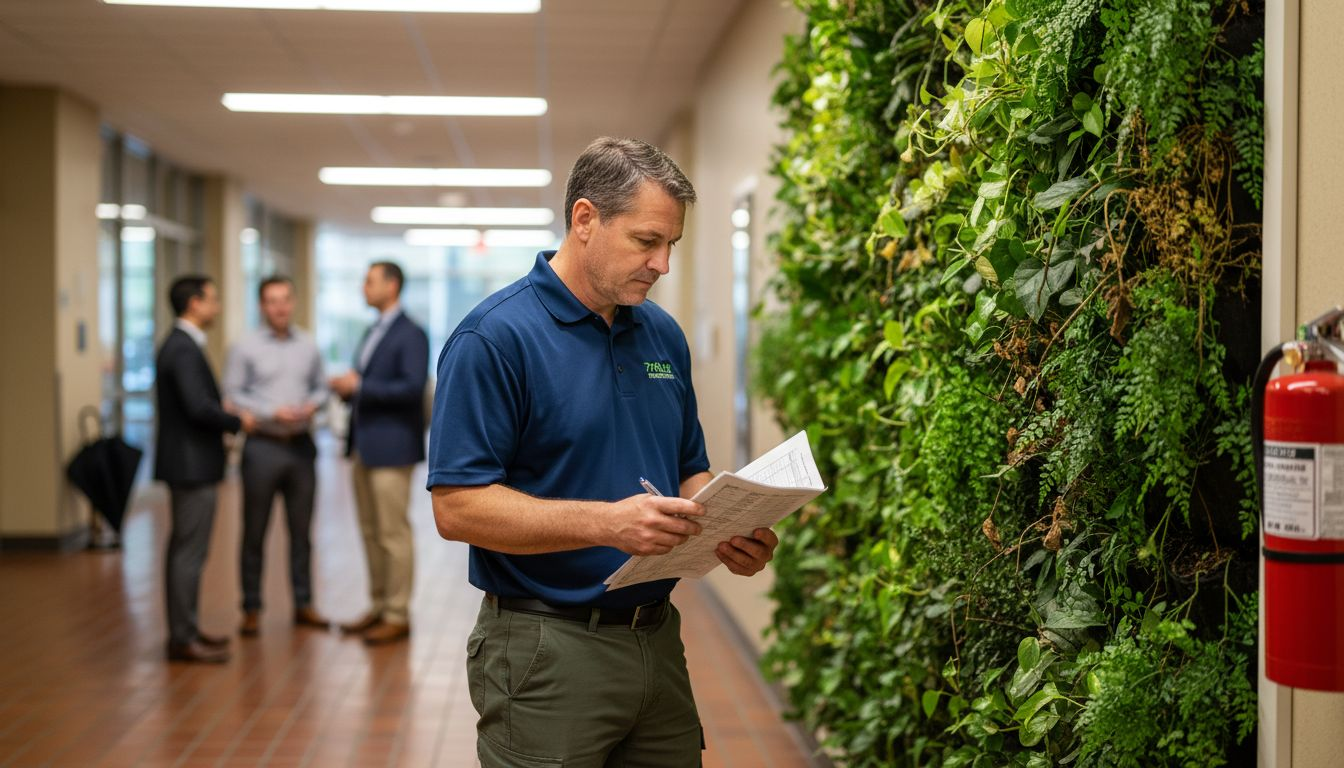
Here’s a comparison of major interior landscaping types and their advantages for different settings:
| Solution Type | Best For | Visual Impact | Maintenance Level |
|---|---|---|---|
| Potted Displays | Offices, Lobbies | Moderate | Easy, flexible placement |
| Green Walls | Commercial Entrances | High | Complex, requires expertise |
| Indoor Gardens | Atriums, Public Areas | Natural, immersive | Moderate to high |
| Plantscape Install. | Corporate, Retail | Cohesive design | Varies by scale |
Pro tip: Conduct a thorough environmental assessment of your indoor space before selecting plant types to ensure long-term sustainability and visual appeal.
How plant programs work in practice
Plant programs represent sophisticated systems designed to manage and optimize indoor plant environments with scientific precision. Advanced plant research techniques demonstrate how carefully controlled cultivation can transform interior spaces through strategic biological management.
Successful plant programs typically involve several critical components:
- Comprehensive environmental assessment
- Precise plant species selection
- Customized maintenance protocols
- Regular health monitoring
- Adaptive management strategies
The implementation of these programs requires deep understanding of plant physiology and environmental interactions. Plant conservation strategies emphasize the importance of creating sustainable indoor ecosystems that support both plant health and human well-being. This approach goes beyond simple decoration, treating plants as living systems that require targeted care and management.
Practical plant program management involves multiple stages:
- Initial space evaluation
- Microclimate analysis
- Plant species compatibility assessment
- Installation and strategic positioning
- Ongoing maintenance and monitoring
Each stage demands specialized knowledge about plant requirements, environmental conditions, and interaction with interior spaces. The goal is creating living environments that are both aesthetically pleasing and biologically sustainable, where plants thrive and contribute positively to human experiences.
Pro tip: Develop a comprehensive plant care log to track individual plant health, environmental conditions, and maintenance interventions for optimal long-term success.
Design, installation, and maintenance considerations
Interior landscaping design demands a holistic approach that balances aesthetic appeal with plant health and environmental sustainability. Comprehensive plant selection strategies are critical for creating indoor environments that look beautiful and function effectively.
Key design considerations include:
- Precise spatial analysis of available indoor areas
- Understanding specific microclimate conditions
- Evaluating natural and artificial light exposure
- Matching plant species to environmental constraints
- Creating visual harmony with existing architectural elements
The installation process requires meticulous planning and execution. Sustainable landscape design principles emphasize the importance of anticipating plant growth patterns and maintenance requirements before final positioning. This approach ensures that interior plants not only look stunning but also remain healthy and vibrant over time.
Maintenance protocols are equally crucial for long-term success:
- Develop consistent watering schedules
- Implement regular pest monitoring
- Create customized fertilization plans
- Monitor plant health and environmental stress indicators
- Adjust care strategies based on seasonal changes
Successful interior landscaping transcends simple decoration. It requires a scientific approach that treats plants as living systems requiring specialized care, precise environmental management, and continuous adaptation to indoor conditions.
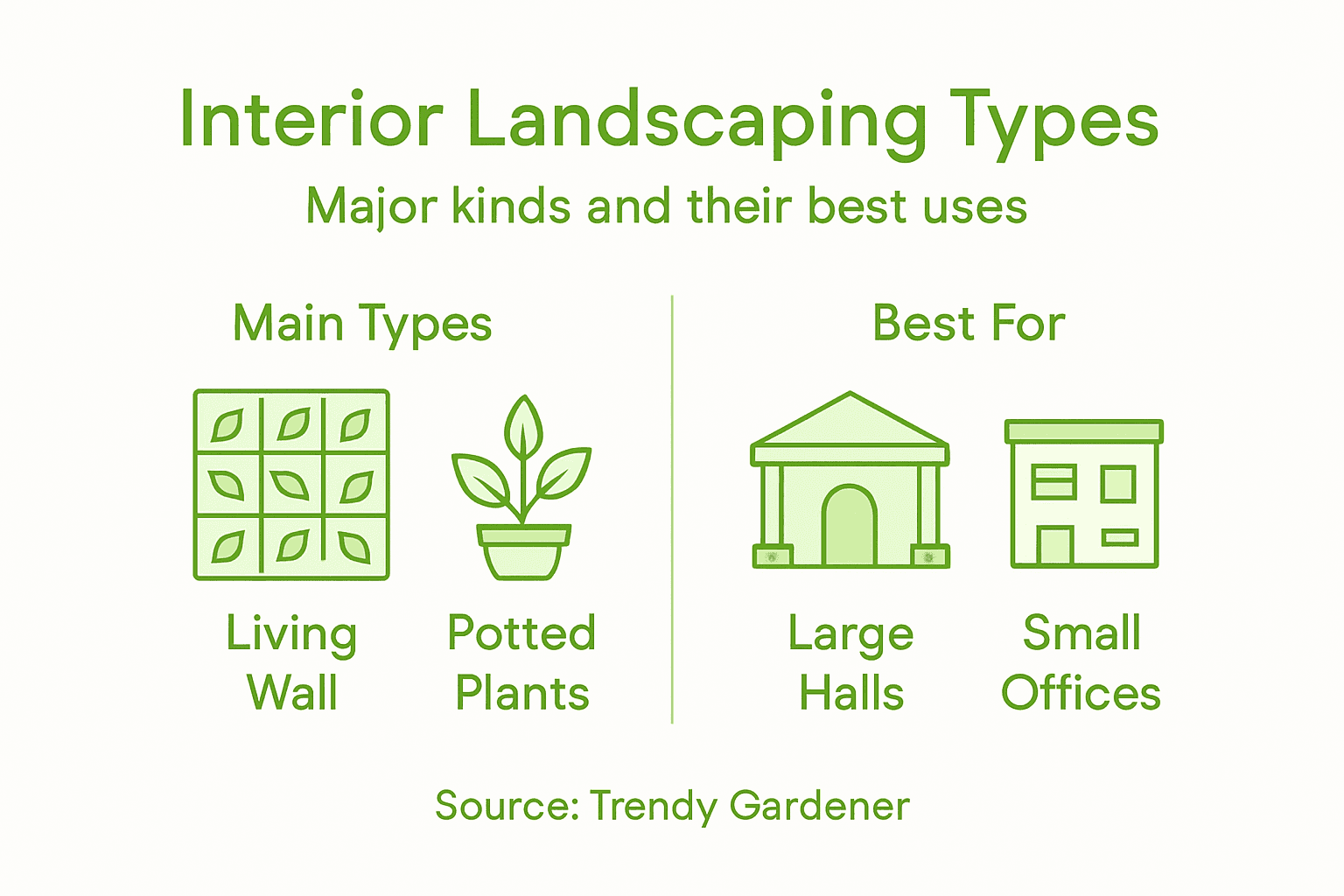
Pro tip: Create a detailed plant care journal tracking individual plant performance, environmental conditions, and maintenance interventions to optimize long-term plant health and interior landscape success.
Costs, leasing, and maintenance responsibilities
Interior landscaping economics involve complex considerations beyond simple plant placement. Comprehensive maintenance cost strategies reveal multiple financial approaches for managing indoor plant environments effectively and strategically.
Key cost considerations include:
- Initial plant procurement expenses
- Installation labor costs
- Ongoing maintenance requirements
- Equipment and material investments
- Potential service contract pricing
Leasing options provide flexible financial alternatives for organizations seeking professional interior landscaping solutions. Landscape maintenance financial planning demonstrates how businesses can spread expenses over time, transferring significant maintenance responsibilities to specialized service providers.
Maintenance responsibilities typically encompass:
- Regular plant health monitoring
- Consistent watering and fertilization
- Pest control and disease prevention
- Pruning and aesthetic management
- Environmental condition optimization
Successful interior landscaping requires transparent contractual arrangements that clearly define financial obligations, service expectations, and performance metrics. This approach ensures both parties understand their responsibilities and can collaborate effectively to maintain vibrant, healthy indoor plant environments.
The table below provides a summary of major cost and management strategies for interior landscaping:
| Cost Factor | Leasing Model Benefit | Ownership Model Consideration |
|---|---|---|
| Upfront Expense | Lower, spread over time | High, immediate capital required |
| Maintenance Responsibility | Provider managed | Owner managed |
| Flexibility for Upgrades | Easy to update or swap designs | Upgrades require new investment |
| Contractual Clarity | Clearly defined in service terms | Owner must define schedules |
Pro tip: Request detailed service contracts with transparent pricing structures and specific maintenance performance benchmarks to ensure predictable costs and high-quality plant care.
Mistakes to avoid in commercial applications
Commercial interior landscaping requires strategic planning and precise execution. Common design implementation errors can significantly undermine the effectiveness and longevity of indoor plant environments.
Critical mistakes to avoid include:
- Selecting plants incompatible with indoor conditions
- Neglecting proper lighting requirements
- Overlooking maintenance accessibility
- Ignoring functional space requirements
- Underestimating environmental stress factors
Comprehensive site analysis reveals that many commercial landscaping failures stem from inadequate initial planning. Understanding the specific microclimate, user needs, and long-term maintenance capabilities becomes crucial for creating sustainable indoor plant ecosystems.
Potential pitfalls in commercial interior landscaping encompass:
- Poor plant species selection
- Insufficient environmental assessment
- Lack of consistent maintenance protocols
- Overcrowding plant installations
- Disregarding aesthetic and functional balance
Successful commercial interior landscaping demands a holistic approach that balances aesthetic appeal, environmental sustainability, and practical functionality. This requires continuous evaluation, adaptive strategies, and a deep understanding of both botanical requirements and commercial space dynamics.
Pro tip: Develop a comprehensive pre-installation assessment checklist that evaluates environmental conditions, user requirements, and long-term maintenance capabilities before implementing any interior plant program.
Elevate Your Interiors with Expert Interior Landscaping Solutions
Interior landscaping transforms ordinary spaces into vibrant, living environments that captivate and inspire. The article highlights common challenges such as selecting plants suited to unique indoor conditions and maintaining their health over time. If you want your commercial or residential space to feel intentional and alive while avoiding costly mistakes like incompatible plant choices or overlooked maintenance, a professional, end-to-end plant program is the key.
At Trendy Gardener, we specialize in crafting bespoke living walls, curated indoor plant styling, leasing programs, and tailored maintenance strategies that align perfectly with your space’s light, humidity, and design needs. Our expert team ensures your interior landscaping not only looks exceptional on day one but thrives sustainably for years. See the difference by exploring our comprehensive plant programs and experience a transformation that balances beauty, wellness, and longevity.
Ready to bring intentional, elevated greenery into your space now Take the next step by visiting Trendy Gardener to schedule your consultation. Enhance your environment today with a partner who understands the science and artistry behind lasting interior landscapes.
Frequently Asked Questions
What is interior landscaping?
Interior landscaping involves designing and maintaining living plants within indoor spaces to enhance aesthetics and improve environmental quality while supporting occupant well-being.
What are the main benefits of interior landscaping?
The main benefits include improved air quality, enhanced aesthetic appeal, increased employee productivity, and a more inviting atmosphere that supports human well-being.
How do I choose the right plants for my interior landscaping?
Select plants based on the specific indoor conditions, such as light levels, humidity, and temperature. It’s crucial to choose species that thrive in your indoor environment for sustainable growth and visual appeal.
What common mistakes should be avoided in commercial interior landscaping?
Common mistakes include selecting inappropriate plants for indoor conditions, neglecting proper lighting requirements, and underestimating the importance of maintenance accessibility and environmental factors.
Recommended
- Role of Plant Care in Elevated Interiors
- Role of Indoor Plants in Homes – Wellness and Design Impact
- Commercial Plantscaping: Boosting Workplace Well-Being
- Incorporating Green Interior Design into Commercial Spaces: A Guide
- Onlawn
- Lawn Care & Landscaping Automation Software | Online Booking & Automated Reminders