

Interior Plantscaping: Transforming Indoor Spaces
A plain lobby or office in Des Moines can feel uninspiring, but introducing thoughtfully planned greenery has the power to transform even the most utilitarian space into a vibrant, inviting environment. For many design-minded residents and property managers, interior plantscaping is more than just aesthetic—it’s a purposeful design strategy built on biophilic principles. By weaving living plants into architectural plans, you unlock benefits like improved indoor air quality and a positive boost to mood and productivity. Discover how interior plantscaping brings nature indoors while supporting health and visual appeal.
Table of Contents
- Defining Interior Plantscaping And Its Purpose
- Types Of Interior Plantscaping Solutions
- How Interior Plantscaping Works
- Benefits Of Indoor Plantscaping
- Costs, Maintenance, And Common Pitfalls
Key Takeaways
| Point | Details |
|---|---|
| Interior Plantscaping Enhances Well-Being | This practice improves indoor air quality and reduces psychological stress, promoting emotional health for occupants. |
| Diverse Plantscaping Solutions | Solutions include potted arrangements, living walls, and hanging displays; each requires careful design and plant selection for optimal growth. |
| Holistic Benefits to Environments | Interior plantscaping not only beautifies spaces but also enhances productivity and creates nurturing ecosystems that support human performance. |
| Strategic Care and Maintenance | Understanding plant requirements and investing in ongoing maintenance are essential to ensure the longevity and health of interior plants. |
Defining Interior Plantscaping and Its Purpose
Interior plantscaping represents a sophisticated approach to integrating living greenery into indoor environments, transforming sterile spaces into vibrant, life-affirming landscapes. Far more than simple decoration, this practice involves deliberate design strategies that connect human-made structures with the natural world.
At its core, interior plantscaping is about creating intentional green spaces within buildings by thoughtfully placing living plants. The practice goes beyond aesthetic considerations, focusing on several critical objectives:
- Improving indoor air quality
- Enhancing occupant well-being
- Creating visually dynamic environments
- Reducing psychological stress
- Supporting mental and emotional health
The purpose of interior plantscaping extends far beyond mere ornamentation. Biophilic design principles guide this approach, recognizing that humans have an innate psychological need to connect with living systems. By strategically incorporating greenery, designers and architects can transform indoor spaces from sterile environments into dynamic, nurturing ecosystems.
According to research, interior plantscaping contributes significantly to environmental and emotional health. These carefully curated green installations can dramatically improve oxygen levels, reduce ambient noise, and create microclimates that support human comfort and productivity.
Pro tip: When beginning your interior plantscaping journey, start by selecting plants native to similar indoor environments to ensure better adaptation and lower maintenance requirements.
Types Of Interior Plantscaping Solutions
Interior plantscaping encompasses a diverse range of green design solutions tailored to different indoor environments and aesthetic preferences. Plant selection varies based on environmental requirements, ensuring each green installation thrives in its specific setting.
The primary categories of interior plantscaping solutions include:
-
Potted Plant Arrangements
- Small desktop plants
- Medium floor-standing planters
- Large statement floor plants
-
Living Walls
- Vertical garden installations
- Moss wall designs
- Integrated architectural green walls
-
Hanging Plant Displays
- Suspended plant arrangements
- Macramé hanging planters
- Ceiling-mounted botanical installations
Each plantscaping solution requires careful consideration of critical factors like light exposure, humidity levels, maintenance requirements, and spatial constraints. Professional designers typically categorize plants into four primary light requirement groups: low, medium, high, and very high light environments.
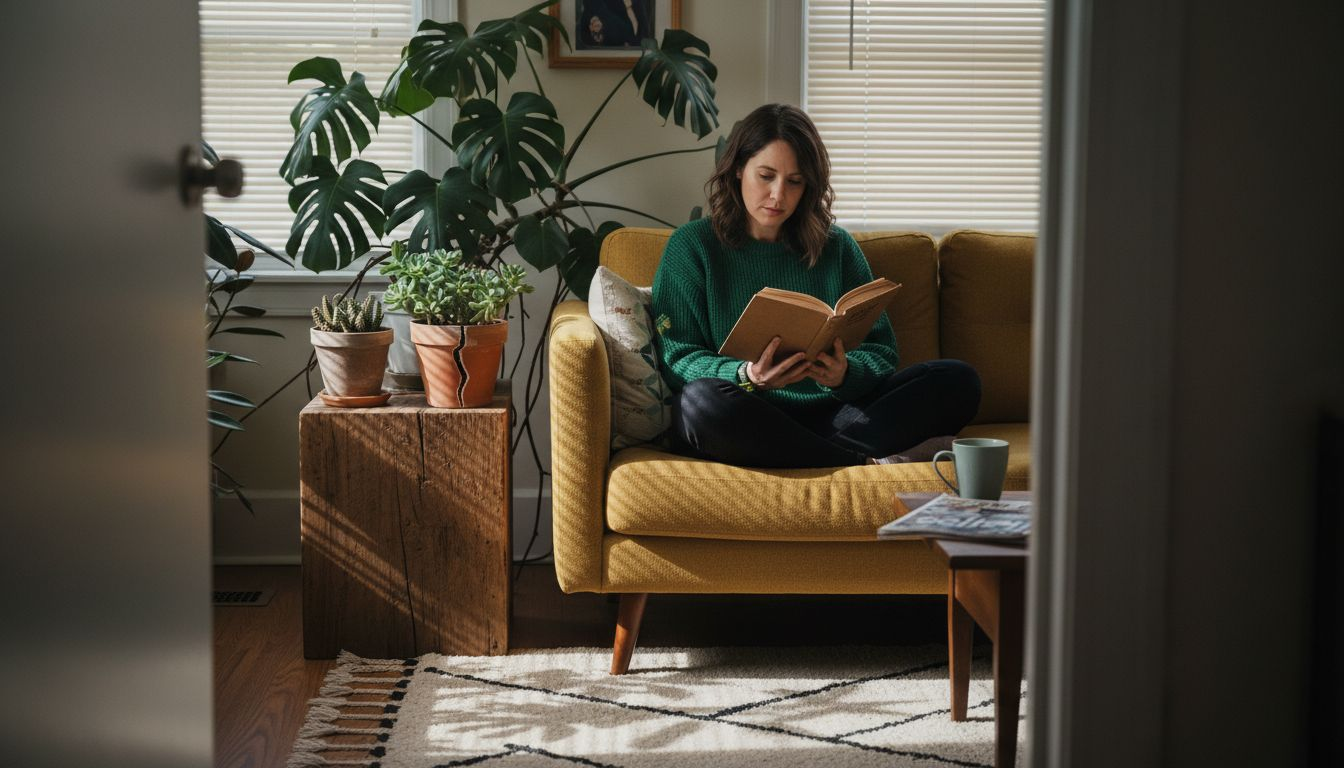
Commercial and residential spaces can dramatically transform their atmosphere through strategic plant placement. From minimalist office environments to luxurious residential settings, interior plantscaping offers flexible design solutions that enhance both aesthetic appeal and environmental quality.
Here’s a quick comparison of common interior plantscaping solutions and their design impacts:
| Plantscaping Solution | Typical Use Case | Visual Impact | Maintenance Level |
|---|---|---|---|
| Potted Plant Arrangements | Offices, homes, and lobbies | Adds color to small spaces | Moderate |
| Living Walls | Corporate, retail, restaurants | Dramatic, space-defining | High |
| Hanging Plant Displays | Apartments, creative studios | Creates visual interest | Moderate |
Pro tip: When selecting interior plantscaping solutions, always match plant species to specific indoor environmental conditions to ensure long-term health and visual impact.
How Interior Plantscaping Works
Interior plantscaping transforms indoor environments through a meticulously strategic process that blends botanical expertise with design principles. Successful implementation depends on precise environmental matching, requiring designers to understand each plant’s unique requirements and indoor habitat characteristics.
The core process of interior plantscaping involves several critical stages:
-
Plant Selection
- Analyzing indoor environmental conditions
- Matching plant species to specific light levels
- Evaluating temperature and humidity tolerances
-
Design Integration
- Determining optimal plant placement
- Creating visual balance and aesthetic harmony
- Considering architectural elements and spatial constraints
-
Maintenance Planning
- Developing customized care protocols
- Establishing regular monitoring schedules
- Implementing pest prevention strategies
Professional interior plantscapers conduct comprehensive site assessments that examine crucial environmental factors such as natural light exposure, air circulation, temperature fluctuations, and humidity levels. These detailed evaluations allow designers to select plant species that will not just survive but thrive in their specific indoor environment.
Technical considerations extend beyond initial placement. Ongoing management involves precise interventions like calibrated watering schedules, strategic pruning, controlled fertilization, and proactive pest management. Each plant becomes a living design element carefully integrated to enhance the space’s aesthetic and environmental quality.
Pro tip: Always conduct a thorough site assessment and create a detailed microclimate profile before selecting and installing interior plants.
Benefits Of Indoor Plantscaping
Interior plantscaping offers a transformative approach to enhancing indoor environments, delivering far-reaching benefits that extend well beyond aesthetic appeal. Scientific research demonstrates multiple health and productivity advantages associated with strategic plant integration in indoor spaces.
The comprehensive benefits of interior plantscaping include:
-
Psychological Wellness
- Reduces stress levels
- Improves mental clarity
- Enhances mood and emotional balance
-
Physical Environment Enhancement
- Purifies indoor air quality
- Regulates humidity levels
- Reduces ambient noise
-
Productivity and Performance
- Increases cognitive function
- Boosts workplace creativity
- Reduces mental fatigue
Professional studies reveal that indoor plants play a critical role in human physiological and psychological well-being. By creating a connection to nature within built environments, plantscaping helps mitigate the negative impacts of urban and indoor living, supporting occupant health through natural design interventions.
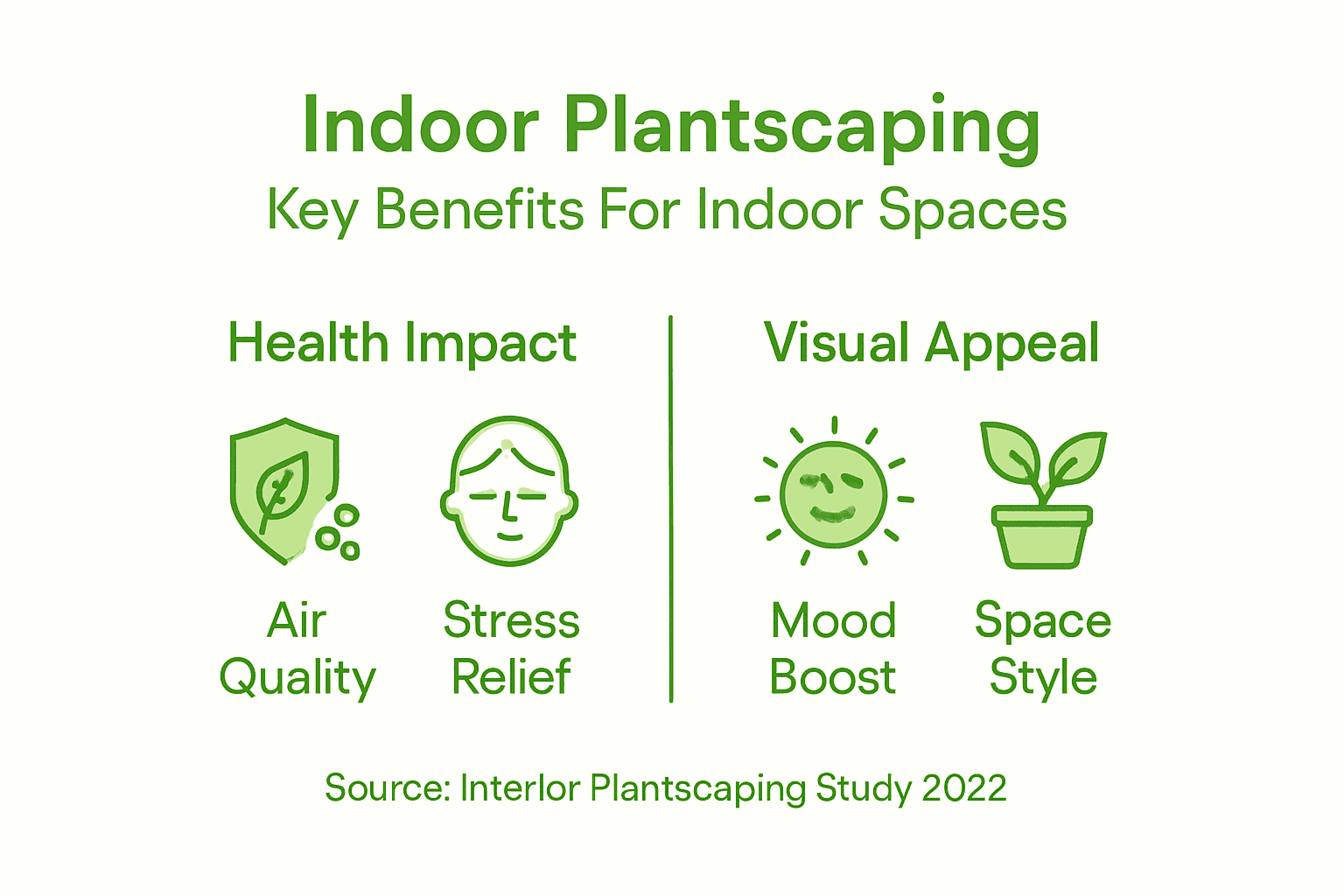
Commercial and residential spaces alike benefit from the holistic approach of interior plantscaping. The strategic placement of plants can transform sterile environments into dynamic, living ecosystems that support human performance, reduce stress, and create visually compelling spaces that promote overall wellness.
Pro tip: Select plants with proven air-purifying qualities and place them strategically in areas where you spend the most time to maximize health benefits.
Costs, Maintenance, And Common Pitfalls
Interior plantscaping involves more than simply placing plants in a space, requiring careful financial planning and ongoing maintenance strategies. Comprehensive cost considerations extend far beyond initial plant purchases, encompassing multiple aspects of plant care and environmental management.
Key financial and maintenance considerations include:
-
Initial Investment Expenses
- Plant procurement costs
- Specialized container selections
- Professional installation fees
-
Recurring Maintenance Costs
- Regular watering
- Fertilization treatments
- Pruning and trimming services
- Pest management
-
Potential Hidden Expenses
- Replacement of unsuccessful plantings
- Climate control adjustments
- Specialized lighting installations
Professional interior plantscapers recognize that successful plant integration requires understanding complex environmental dynamics. Proper maintenance demands precise environmental monitoring to ensure plant health and longevity, with factors like light compensation points and temperature regulation playing critical roles in plant survival.
Common pitfalls often emerge from misconceptions about plant care. Inexperienced plant managers frequently underestimate the complexity of indoor plant maintenance, leading to issues like overwatering, inadequate lighting, and inconsistent care protocols that can rapidly deteriorate plant health and increase long-term costs.
This summary helps illustrate the main costs and challenges in interior plantscaping:
| Cost Factor | Description | Common Challenge |
|---|---|---|
| Initial Investment | Plants, containers, installation | Accurate budgeting required |
| Ongoing Maintenance | Watering, pruning, pest prevention | Consistent care must be ensured |
| Hidden Expenses | Replacement, lighting, climate | Unexpected costs may arise |
Pro tip: Budget for professional maintenance services and invest in a comprehensive plant care plan to minimize unexpected expenses and ensure long-term plantscaping success.
Elevate Your Space with Expert Interior Plantscaping Solutions
If you are ready to transform your indoor environment by integrating purposeful greenery that enhances well-being and visual appeal you need a partner who understands the full scope of interior plantscaping. From selecting plants perfectly matched to your unique lighting and humidity to ongoing care that keeps your green installations thriving Trendy Gardener offers end-to-end services tailored to your space and lifestyle. By combining biophilic design principles with professional maintenance we solve common challenges like plant health decline and inconsistent care.
Discover how our bespoke living walls or custom preserved moss walls can create dramatic and dynamic environments while our plant leasing and rental programs ensure hassle-free upkeep. Whether for a sophisticated home or a large commercial project start your interior plantscaping journey with a firm known for strong design direction and expert plant care. Act now to bring lasting vitality to your space with Trendy Gardener and explore our consultation and installation services that guarantee results exceptional on day one and beyond.
Frequently Asked Questions
What is interior plantscaping?
Interior plantscaping is the practice of incorporating living plants into indoor environments, utilizing thoughtful design strategies to improve aesthetics, air quality, and occupant well-being.
What are the benefits of interior plantscaping?
The benefits include improved air quality, enhanced mood and mental clarity, reduced stress levels, increased productivity, and the creation of visually appealing environments that foster emotional health.
How do I care for indoor plants used in plantscaping?
Caring for indoor plants involves matching them to suitable light and humidity conditions, establishing a regular watering and fertilization schedule, and implementing preventive measures for pests.
What types of interior plantscaping solutions are available?
Common solutions include potted plant arrangements, living walls, and hanging plant displays, each tailored to specific environmental conditions and aesthetic requirements.
Recommended
- What Is Interior Landscaping and Its Impact on Spaces
- 5 Essential Tips from Interior Plantscaping Experts
- 5 Essential Tips from Interior Plantscaping Experts
- Role of Plant Care in Elevated Interiors
- Ultimate Luxury Outdoor Guide – Backyard Pyre
- Sustainability In Pool Renovation: Eco-Friendly Benefits
- Luxury Home Automation | Cinema & Lighting | Morgan Wrona