

Ongoing Plant Care: Sustaining Biophilic Design Impact
Every high-end interior project in Des Moines faces a pivotal question: how can living plants consistently deliver both visual impact and measurable wellness benefits over time. Sustained biophilic design thrives on strategic ongoing plant care, which goes far beyond casual watering and routine placement. This article offers actionable insights into comprehensive maintenance, highlighting how environmental monitoring, cleaning, and adaptive strategies create vibrant spaces that support occupant well-being and design integrity.
Table of Contents
- Defining Ongoing Plant Care Practices
- Types of Maintenance For Interior Plants
- Core Needs Of Indoor Plant Installations
- Obligations And Risks In Plant Programs
- Comparing Professional And Diy Approaches
Key Takeaways
| Point | Details |
|---|---|
| Ongoing Plant Care | Systematic maintenance is essential for sustaining indoor plants’ health and enhancing biophilic benefits. Regularly monitor environmental factors like light, humidity, and temperature. |
| Types of Maintenance | Effective plant care involves cleaning, pest management, and proper pruning to ensure vitality and aesthetic appeal. Each plant requires tailored strategies based on its unique characteristics. |
| Professional vs. DIY Care | Professional plant care offers advanced diagnostics and environmental analysis, whereas DIY methods are cost-effective but may lack precision. For intricate designs, professional expertise is often necessary. |
| Risk Management | Comprehensive maintenance programs must include preventive strategies for pest and disease management, ensuring compliance with safety standards for long-term success. |
Defining Ongoing Plant Care Practices
Biophilic design transforms interior spaces by integrating living plant elements, but success depends critically on consistent, strategic maintenance. Systematic plant care practices ensure these natural installations continue delivering their psychological and environmental benefits over time.
Ongoing plant care involves a comprehensive approach that goes far beyond occasional watering. The practice encompasses several critical dimensions:
- Environmental Monitoring: Tracking light exposure, humidity levels, and temperature
- Nutritional Management: Providing appropriate fertilization and soil health
- Structural Maintenance: Regular pruning, cleaning, and pest prevention
- Adaptive Care: Modifying care strategies based on plant species and location
Professional plant maintenance requires understanding each plant’s unique physiological needs. Some species demand meticulous attention, while others thrive with minimal intervention. Interior designers and architects must develop nuanced strategies that account for specific environmental constraints and plant characteristics.
Here’s a quick overview of how environmental factors impact ongoing plant care effectiveness:
| Environmental Factor | Impact on Plant Health | Consideration for Interiors |
|---|---|---|
| Light | Drives photosynthesis | Adjust natural and artificial sources |
| Humidity | Prevents dehydration | Use humidifiers for dry rooms |
| Temperature | Maintains metabolism | Monitor for climate fluctuations |
| Air Circulation | Reduces mold risk | Ensure proper ventilation |
This summary helps clarify the importance of each factor in sustaining healthy indoor plants.
The health implications of proper plant care extend beyond aesthetic considerations. Biophilic interventions demonstrate significant potential for reducing occupant stress, improving mood, and enhancing overall workplace and residential well-being.
Pro tip: Develop a standardized plant care checklist tailored to each specific interior environment, incorporating species-specific maintenance requirements and seasonal adjustments.
Types of Maintenance for Interior Plants
Interior plant maintenance is a nuanced discipline that requires targeted strategies for different aspects of plant health. Comprehensive maintenance practices encompass multiple critical dimensions that ensure plant vitality and aesthetic appeal.
The primary types of maintenance for interior plants include:
-
Cleaning Maintenance
- Dust removal from foliage
- Wiping leaves with soft, damp cloths
- Preventing dust accumulation that blocks photosynthesis
-
Pest Management
- Regular visual inspections
- Identifying early signs of infestation
- Implementing targeted treatment protocols
- Quarantining affected plants
-
Pruning and Structural Care
- Removing dead or yellowing leaves
- Controlling plant shape and size
- Promoting healthy growth patterns
- Preventing overcrowding
Lighting represents another crucial maintenance dimension. Indoor plant lighting strategies require careful monitoring and adjustment to support optimal plant health. Designers must understand each species’ specific light requirements, recognizing that insufficient or excessive exposure can cause significant stress and potential plant decline.
Seasonal transitions demand adaptive maintenance approaches. Interior plant care isn’t static but requires continuous assessment and modification based on environmental shifts, plant species characteristics, and specific biophilic design objectives.
Pro tip: Create a digital maintenance tracking system that logs each plant’s unique care requirements, including species-specific lighting, watering, and seasonal adjustment needs.
Core Needs of Indoor Plant Installations
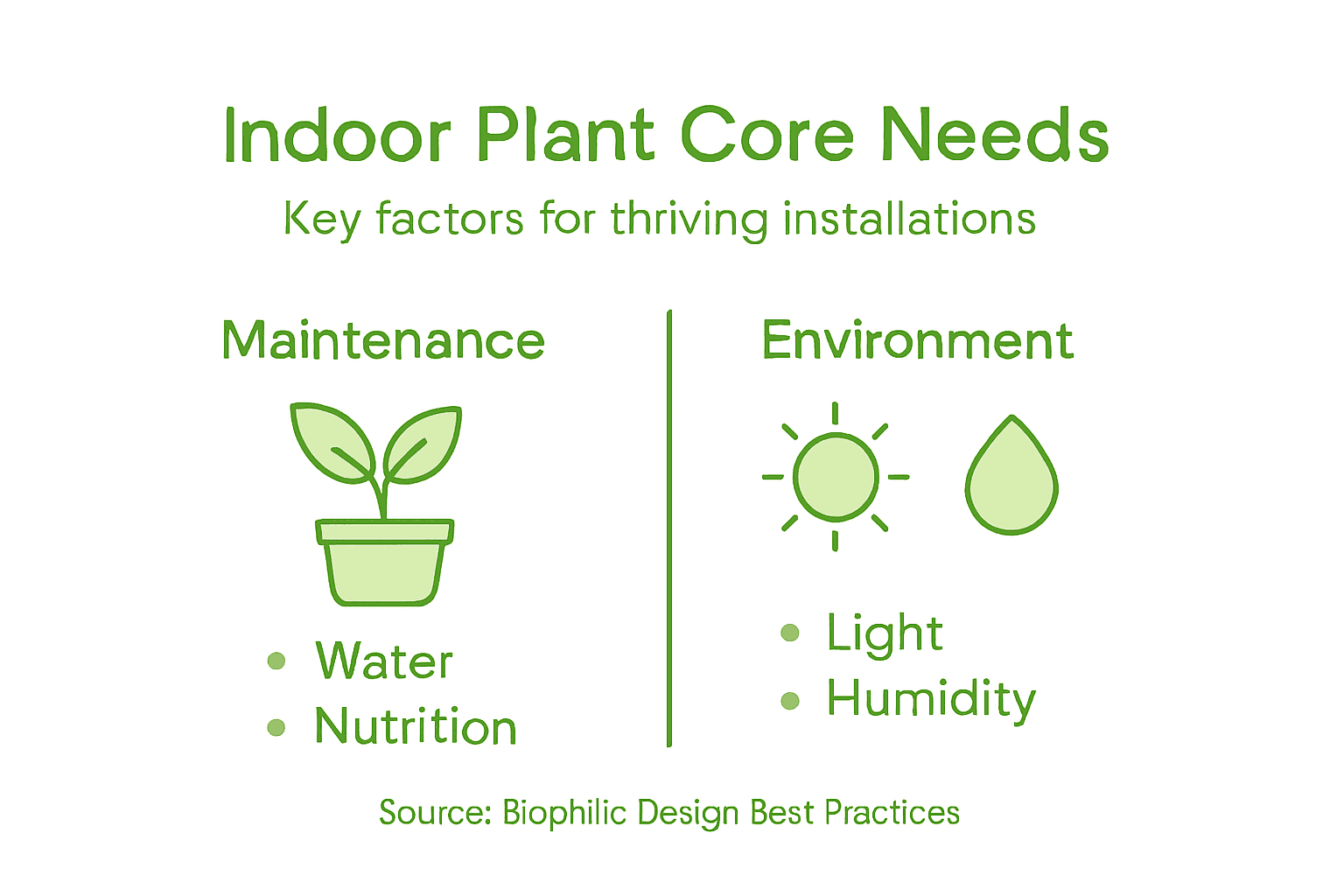
Successful indoor plant installations rely on understanding and precisely managing fundamental biological requirements. Core plant survival parameters encompass a complex interplay of environmental factors that determine long-term plant health and aesthetic performance.
The essential needs of indoor plant installations can be categorized into several critical domains:
-
Light Requirements
- Consistent photosynthetic exposure
- Species-specific light intensity management
- Balanced natural and supplemental lighting strategies
-
Nutritional Support
- Balanced soil nutrient composition
- Regular fertilization protocols
- Micronutrient supplementation
- pH level monitoring
-
Moisture Management
- Precise water quantity control
- Drainage system effectiveness
- Humidity level optimization
- Root zone moisture tracking
Environmental factor control represents the cornerstone of sustainable indoor plant installations. Each species demands unique combinations of temperature, humidity, air circulation, and nutrient availability, requiring designers to develop nuanced, adaptive maintenance strategies.
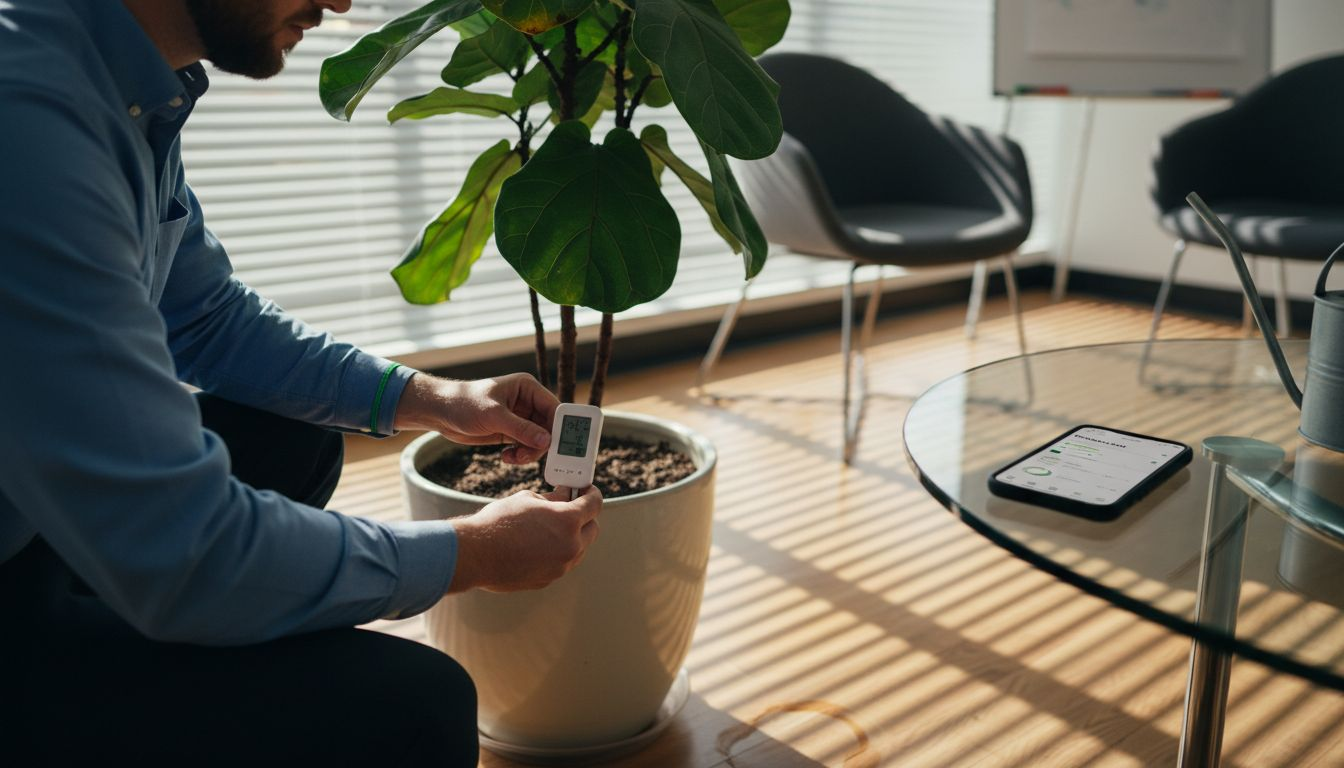
Biophilic design professionals must approach indoor plant installations as living systems, not static decorative elements. This means creating environments that dynamically support plant physiological needs while maintaining aesthetic integrity and design vision.
Pro tip: Develop a comprehensive plant profile database that tracks individual species’ specific environmental requirements, enabling precision-driven maintenance approaches.
Obligations and Risks in Plant Programs
Professional plant maintenance requires a comprehensive understanding of systematic obligations and potential risks inherent in biophilic design installations. Plant care program obligations encompass strategic preventive measures designed to mitigate operational challenges and ensure long-term environmental performance.
The critical obligations in plant programs involve multiple interconnected responsibilities:
-
Preventive Maintenance
- Regular health assessments
- Systematic inspection protocols
- Proactive intervention strategies
- Comprehensive documentation
-
Risk Management
- Pest outbreak prevention
- Disease detection and containment
- Environmental hazard mitigation
- Structural integrity monitoring
-
Compliance Requirements
- Adherence to safety standards
- Regulatory environmental guidelines
- Professional certification maintenance
- Insurance and liability considerations
Systematic maintenance strategies.pdf) are fundamental to managing potential risks. Interior designers and facilities managers must develop robust frameworks that anticipate potential failures, track performance metrics, and implement timely corrective actions.
Risks in plant programs extend beyond immediate botanical health, potentially impacting occupant well-being, aesthetic performance, and overall design integrity. Comprehensive risk assessment requires a holistic approach that balances scientific precision with creative design vision.
Pro tip: Implement a digital risk tracking system that provides real-time monitoring of plant health metrics, enabling rapid intervention and predictive maintenance strategies.
Comparing Professional and DIY Approaches
The landscape of plant care is distinctly characterized by significant differences between professional and do-it-yourself maintenance strategies. Professional horticulture expertise represents a sophisticated approach that transcends basic maintenance, integrating scientific precision with advanced botanical knowledge.
Key distinctions between professional and DIY plant care approaches include:
-
Professional Approach Characteristics
- Advanced diagnostic capabilities
- Scientific methodology
- Specialized equipment
- Comprehensive environmental analysis
- Predictive maintenance strategies
-
DIY Approach Characteristics
- Basic maintenance techniques
- Limited diagnostic capabilities
- Intuition-based care
- Cost-effective for small spaces
- Personal learning experience
-
Comparative Performance Metrics
- Plant survival rates
- Long-term health outcomes
- Aesthetic consistency
- Resource efficiency
- Environmental adaptability
DIY plant care strategies work well for personal spaces and hobbyist environments, but complex biophilic design installations demand professional intervention. The nuanced understanding of plant physiology, environmental interactions, and systematic maintenance protocols sets professional approaches apart from amateur efforts.
Ultimately, the choice between professional and DIY approaches depends on project scale, complexity, and desired outcomes. While enthusiasts can manage basic plant care, intricate biophilic designs require the expertise of trained professionals who can navigate sophisticated ecological and design challenges.
Explore the differences between professional and DIY approaches in plant maintenance:
| Aspect | Professional Care | DIY Care |
|---|---|---|
| Expertise | Horticulture-trained staff | Self-taught, informal |
| Equipment | Specialized tools | Basic household items |
| Problem Solving | Data-driven diagnosis | Trial-and-error methods |
| Outcome Consistency | High, predictable results | Variable, dependent on skill |
This table highlights why complex biophilic projects benefit from professional involvement.
Pro tip: Consider hybrid approaches that combine professional consultation with targeted DIY maintenance to optimize plant health and design performance.
Elevate Your Space With Expert Ongoing Plant Care
Maintaining the vibrant impact of biophilic design requires more than just occasional watering. The article highlights the challenges of environmental monitoring, adaptive care, and pest management that are essential to keep indoor plants thriving and spaces feeling truly alive. If you have struggled to balance lighting, humidity, and nutritional needs or worried about the risks of neglecting plant maintenance, you are not alone. Consistent expert support ensures your plants stay healthy and your design vision remains intact.
Discover how Trendy Gardener partners with homeowners, interior designers, and architects to deliver tailored plant programs that cover consultation, installation, and comprehensive care. From bespoke living walls to ongoing office plant maintenance, our solutions integrate professional knowledge with strong design direction to handle the complexities detailed in the article. Enjoy peace of mind knowing your indoor plants receive scientifically informed, reliable care that enhances occupant well-being and aesthetic longevity.
Ready to transform your interior environment with a sustainable plant care strategy that matches your biophilic design goals Think beyond basic maintenance and connect with Trendy Gardener today. Explore our full range of services including indoor plant design and office plant design to ensure your living spaces remain intentional, elevated, and truly alive. Act now to secure ongoing care expertise that protects your investment and maximizes the calming, health-promoting benefits of plants.
Frequently Asked Questions
What are the key components of ongoing plant care for biophilic design?
Ongoing plant care involves environmental monitoring, nutritional management, structural maintenance, and adaptive care based on specific plant needs and environmental conditions.
How can I effectively manage humidity levels for indoor plants?
To manage humidity levels, consider using humidifiers in dry rooms, regularly misting plants, and grouping plants together to increase local humidity.
What are the differences between professional plant maintenance and DIY plant care?
Professional maintenance includes advanced diagnostic skills, specialized equipment, and predictive maintenance strategies, while DIY typically involves basic techniques and personal intuition.
Why is light exposure important for indoor plant health?
Light exposure is crucial as it drives photosynthesis, influencing plant growth and vitality. Each species has specific light requirements that need to be carefully managed to prevent stress and decline.