

6 Essential Plant Care Tips for Architects' Design Success
Designing vibrant interiors and outdoor spaces in Des Moines can be challenging when clients want lush greenery but hesitate at the thought of ongoing maintenance. You need solutions that keep your projects looking fresh without creating frustration or constant upkeep demands. The right plant choices and strategic planning make all the difference for spaces that impress and last.
This guide gives you actionable steps to specify plant installations aligned with your clients’ routines and your architectural vision. You’ll discover reliable methods for selecting carefree species, assessing light, and planning for watering and care—so your designs remain attractive year-round with minimal effort. Get ready to learn how smart decisions up front can set your work apart and create living spaces that thrive.
Table of Contents
- Choose Low-Maintenance Plant Varieties For Every Space
- Assess Light And Placement For Optimal Plant Health
- Plan Efficient Watering And Drainage Systems
- Integrate Plants With Architectural Features Seamlessly
- Implement Sustainable Soil And Fertilizer Practices
- Schedule Professional Maintenance For Longevity
Quick Summary
| Key Insight | Explanation |
|---|---|
| 1. Select Low-Maintenance Plants | Choose species that require minimal care to ensure longevity and client satisfaction with biophilic designs. |
| 2. Assess Light Conditions First | Evaluate natural light patterns to select appropriate plant types, ensuring they thrive in the intended locations. |
| 3. Plan Efficient Watering Systems | Develop tailored irrigation and drainage solutions to prevent plant decline and protect the structure from water damage. |
| 4. Integrate Plants with Architecture | Design plant placements as essential elements of the space, enhancing the overall aesthetic and purpose of the design. |
| 5. Schedule Professional Maintenance | Ensure ongoing professional care to maintain plant health and design integrity, aligning client expectations with realities of care. |
1. Choose Low-Maintenance Plant Varieties for Every Space
As an architect or interior designer in Des Moines, you know that client expectations shift from stunning plant-filled interiors to realistic maintenance schedules. Choosing the right low-maintenance plant varieties ensures your biophilic designs remain beautiful without becoming a liability.
When you specify plants that thrive with minimal intervention, you solve a critical problem: clients stick with the design longer, spaces stay photogenic for months, and your reputation grows. This isn’t just about aesthetics—it’s about designing systems that work.
The most reliable approach involves selecting plants adapted to your space’s conditions rather than fighting against them. Drought-tolerant species, evergreens, and native plants that match Des Moines’ climate and USDA zones 5-6 create designs that sustain themselves. Easy-care perennials and hardy groundcovers eliminate the constant upkeep that frustrates clients and undermines your vision.
Here’s what works across different architectural spaces:
- Pothos and Snake Plants: Forgiving light tolerances, infrequent watering needs, thrive in offices and lobbies
- ZZ Plants: Glossy, architectural look with minimal care requirements—perfect for commercial reception areas
- Dracaena varieties: Year-round color and texture without fussy care routines
- Philodendrons: Reliable performers in medium to low light conditions common in Iowa buildings
- Succulents and sedums: Drought-adapted species ideal for bright windowsills with zero watering guilt
Consider the specific microclimate of each space you’re designing. A north-facing Des Moines office requires different plant selections than a south-facing residential atrium. Low-light tolerant varieties like pothos and snake plants handle interior spaces effectively, while xerophytic plants (drought-adapted species) work brilliantly in naturally lit areas with irregular maintenance schedules.
The maintenance reality matters. Plants requiring frequent watering become abandoned plants. Plants demanding specific humidity levels disappoint clients. Your job is matching plant biology to client behavior patterns—selecting varieties that forgive inconsistent care while looking intentionally placed.
When you choose low-maintenance varieties, you’re not compromising design—you’re creating systems that actually last in real client spaces.
The research confirms this approach: foolproof, low-maintenance plants thrive across diverse conditions when properly selected, providing vibrant color and texture with minimal effort. This transforms your plant specifications from liability to asset.
Pro tip: Create a maintenance matrix for each project listing plant species, watering frequency, light requirements, and seasonal changes—share it with clients upfront so they understand exactly what they’re committing to caring for.
2. Assess Light and Placement for Optimal Plant Health
Light assessment might sound technical, but it’s actually the foundation of every successful plant installation you design. Without understanding how light moves through a space, you’re essentially guessing where plants will thrive—and guessing leads to disappointed clients.
Plants don’t just need light; they need the right kind of light at the right intensity. Plants rely on specific light qualities and intensities to produce energy through photosynthesis, maintain structural integrity, and resist environmental stress. When you assess available natural light in Des Moines spaces, you’re solving for whether a plant can actually survive in that location.
The biological reality is fascinating. Some plants evolved in forest understory environments with dappled shade, while others adapted to full sun. Shade-adapted leaves are larger and thinner, packed with chlorophyll to capture every photon of limited light. Sun-adapted leaves are smaller and thicker, designed to handle intense radiation without losing excessive moisture. This isn’t arbitrary—it’s engineering.
Here’s how to assess light conditions in your projects:
- Observe natural light patterns throughout the day at different seasons
- Measure light intensity near proposed plant locations using a light meter app
- Note architectural features that block or redirect light (overhangs, glass types, reflective surfaces)
- Identify which walls receive north, south, east, or west exposure
- Consider how Iowa’s winter light angles differ dramatically from summer conditions
Placement decisions flow directly from this assessment. A low-light space in a Des Moines office building’s interior corridor demands shade-tolerant species. A sun-drenched south-facing atrium supports completely different plants. The mistake most designers make is choosing stunning plants first, then forcing them into whatever light remains.
Reverse that process. Assess the light environment first, then select plants engineered for those exact conditions. Your specifications become reliable rather than hopeful.
When you match plants to actual light conditions instead of ideal conditions, you eliminate the primary reason clients abandon plant care.
Consider supplemental lighting for spaces where natural light is genuinely limited. Thoughtfully placed LED grow lights can expand your design possibilities without appearing intrusive, transforming dim corners into viable planting zones.
Pro tip: Take photographs of each proposed plant location at sunrise, midday, and late afternoon during the season when the space will be most visible—this visual record guides your decisions and documents your design thinking.
3. Plan Efficient Watering and Drainage Systems
Watering systems make or break plant installations in commercial spaces. A poorly planned watering setup creates dead plants, water damage, client frustration, and damage to your reputation as a designer. Conversely, thoughtful irrigation and drainage design keeps plants thriving while protecting the building.
Most architects treat watering as an afterthought—something maintenance will handle. But water management deserves the same design rigor you apply to lighting or spatial flow. Plants fail when water delivery is inconsistent, insufficient, or excessive.
The challenge in Des Moines interiors is straightforward: indoor environments don’t self-regulate moisture like outdoor landscapes do. You need deliberate watering strategies that match plant biology. Some species tolerate drought; others demand consistent moisture. Some hate sitting in water; others prefer it.
Start with drainage fundamentals. Effective drainage prevents waterlogging and soil erosion while promoting healthy root development. Poor drainage suffocates roots, triggers root rot, and kills plants quickly. This means selecting appropriate soil mixes with proper porosity, choosing containers with drainage holes, and positioning planters where excess water can escape safely.
Consider these planning elements for watering systems:
- Assess water availability and quality in your Des Moines project location
- Group plants by watering needs rather than scattering incompatible species
- Plan container sizes to match water retention and plant root systems
- Design saucer placement to catch drainage without damaging building materials
- Specify irrigation timing based on seasonal variations in humidity and temperature
- Identify maintenance access points for regular system checks
Efficient irrigation system design minimizes water waste while ensuring plants receive adequate hydration. Uniform water distribution prevents over and under-watering in the same installation. Seasonal scheduling matches water delivery to actual plant needs rather than fixed calendar dates.
For larger commercial projects, automated systems offer consistency. For residential installations, straightforward manual approaches often work better. The key is matching system complexity to realistic client behavior.
The best watering system is one that actually gets used consistently and doesn’t require heroic effort from building maintenance staff.
When specifying plants, always include detailed watering guidance for your client. Different plants in the same room may need completely different water schedules. Document this clearly so expectations align with reality.
Pro tip: Create a simple watering schedule document for each installation showing plant names, watering frequency, seasonal adjustments, and specific instructions—give copies to both clients and maintenance teams to ensure continuity even if staffing changes.
4. Integrate Plants with Architectural Features Seamlessly
Plants shouldn’t feel like an afterthought tacked onto finished architecture. When plants integrate thoughtfully with the built environment, they amplify your design intent rather than competing with it. This requires planning plants as architectural elements from the beginning.
Think of plants as living design partners rather than decorative additions. They have form, texture, color, and seasonal movement. When selected strategically, plants serve as living sculptures that enhance designed spaces through their structural shapes and visual depth.
Seamless integration starts with understanding plant architecture. A tall Dracaena draws the eye upward, emphasizing ceiling height. A cascading pothos softens hard edges. Architectural plants with bold forms become focal points that organize visual space. In Des Moines commercial projects, this approach transforms ordinary corridors into designed experiences.
Consider these integration strategies:
- Place specimen plants at decision points where they naturally draw movement and attention
- Use plant groupings to define zones without requiring walls or screens
- Match plant textures and colors to material palettes in your design scheme
- Embed planter systems into built-in millwork rather than adding pots afterward
- Select plants with year-round interest so spaces remain vibrant seasonally
- Coordinate container styles with architectural finishes for cohesive detailing
Container selection deserves serious design attention. A generic plastic nursery pot undermines even excellent plant selection. Custom or curated containers that coordinate with flooring, cabinetry, and wall finishes elevate the entire installation from “plants in the space” to “plants as space.”
The height and mass of plants should dialogue with architectural proportions. A low ceiling needs low or trailing plants, not towering specimens that crowd overhead space. Expansive atriums can handle dramatic tall installations that would feel claustrophobic elsewhere.
Plants integrated thoughtfully with architecture don’t compete for attention—they enhance the spaces you’ve already designed.
Material choices matter too. Living walls become textured art installations. Preserved moss walls create organic backdrops behind reception desks. Free-standing plant clusters organize open-plan offices into visual neighborhoods. Each approach requires different plants, containers, and maintenance considerations.
When plants feel purposeful rather than randomly placed, clients appreciate them as investments in space quality rather than maintenance obligations. This mindset shift transforms how projects are budgeted and valued.
Pro tip: Sketch plant locations directly on your architectural elevations during design development, showing mature size and seasonal appearance—this forces early integration thinking and prevents awkward plant placements that fight against your carefully designed proportions.
5. Implement Sustainable Soil and Fertilizer Practices
Soil quality determines whether your plant designs thrive or fade. Most architects overlook soil as a critical design specification, treating it like a generic filler material. But soil is living infrastructure that directly impacts plant health, client satisfaction, and long-term project success.
Think of soil as the foundation of your biophilic design system. Poor soil leads to nutrient deficiencies, root diseases, and plant failure. Quality soil supports root development, retains moisture appropriately, and provides nutrients sustainably. Your soil choices ripple through every aspect of plant performance.
Sustainable soil management focuses on three core practices. Maintain organic matter through quality amendments. Preserve natural nutrient cycling without excessive synthetic inputs. Prevent erosion and degradation through proper soil conservation. These principles work whether you’re designing a small residential planter or a large commercial installation.
Here’s what sustainable soil looks like in practice:
- Use high-quality potting mixes with appropriate organic content for container plants
- Incorporate compost or aged bark into landscape beds to build soil structure
- Avoid depleting potting soils; refresh containers with new media every 12-24 months
- Select fertilizers that support biological soil life rather than forcing growth
- Test soil periodically to understand nutrient status before fertilizing
- Choose slow-release or organic amendments over quick-acting synthetics
Sustainable soil management practices promote nutrient availability while enhancing long-term productivity. Living soil contains beneficial microorganisms that help plants access nutrients naturally. When you feed the soil biology rather than just the plant, you create resilient systems that require less intervention over time.
For Des Moines projects, this approach aligns perfectly with client expectations for low-maintenance spaces. Healthy soil reduces fertilizer dependency. Proper organic matter improves water retention during dry periods. Biologically active soil actually improves year over year rather than degrading.
Fertilizer selection reflects your design philosophy. Slow-release options provide steady nutrition without dramatic growth spurts that create maintenance problems. Organic fertilizers feed soil biology. Synthetic quick-release fertilizers create temporary vigor followed by decline.
Sustainable soil practices cost slightly more upfront but eliminate the fertilizer treadmill that frustrates clients and undermines design longevity.
Document your soil specifications in project details. Specify soil depth, organic content percentage, and amendment schedules. This prevents contractors from substituting cheaper materials that compromise plant performance.
Pro tip: Create a soil amendment schedule with your project specifications showing when and what type of fertilizer or organic matter to add—share this with clients so they understand soil care as an intentional design investment rather than optional maintenance.
6. Schedule Professional Maintenance for Longevity
Your design is only as good as the maintenance plan that follows. Even perfectly specified plants in ideal conditions fail without consistent professional care. This is where most architects lose control of their projects—they hand over beautiful installations to clients or building staff unprepared to maintain them.
Professional maintenance isn’t a luxury add-on. It’s the system that protects your design investment and ensures client satisfaction for years. When maintenance lapses, plants decline, spaces look neglected, and your reputation suffers alongside them.
The reality of plant care is straightforward: plants require consistent, skilled attention. Watering schedules drift. Pest issues emerge unnoticed. Seasonal pruning gets deferred. Dead leaves accumulate. What looked exceptional on opening day gradually deteriorates without professional oversight.
Consider what professional maintenance actually involves:
- Regular watering calibrated to seasonal plant needs and environmental conditions
- Routine inspections for pests, diseases, and nutrient deficiencies
- Strategic pruning to maintain plant shape and health
- Fertilizer applications on appropriate schedules
- Container rotation and repotting as plants mature
- Irrigation system checks and repairs
- Seasonal adjustments to light or humidity conditions
Professional grounds maintenance workers perform essential tasks including pruning, pest control, and irrigation system operation. These aren’t activities most building maintenance staff can add to their existing responsibilities. Specialized plant knowledge combined with consistent availability creates the difference between thriving installations and declining ones.
For Des Moines commercial projects, maintenance partnerships solve the staffing reality. Property managers juggle endless tasks. Asking them to become plant experts creates liability, not solutions. Professional plant maintenance services handle the technical expertise while building staff focuses on basic observation and watering support.
Document maintenance requirements clearly in your specifications. Detail watering frequency, fertilizer schedules, pruning practices, and inspection intervals. This becomes the contract between you and the maintenance provider, ensuring consistent execution of your design intent.
Professional maintenance transforms plant installations from temporary displays into permanent design assets that appreciate in value over time.
Budget maintenance costs during design phases. Quality plant care typically runs 15 to 25 percent of initial installation annually. Clients who understand this upfront make informed decisions. Those surprised by maintenance bills abandon the program entirely.
Pro tip: Establish maintenance service relationships before design completion and involve them in specification review—their field experience often catches practical issues that improve both installation and long-term care outcomes.
Below is a table summarizing effective strategies for selecting, integrating, and maintaining low-maintenance plants in architectural and interior design projects, as discussed in the article.
| Aspect | Key Insights | Benefits |
|---|---|---|
| Choosing plant varieties | Select drought-tolerant, native, or light-adaptable species. | Reduced maintenance efforts and greater plant longevity. |
| Assessing light and placement | Evaluate natural light patterns and conditions daily. | Matches plants with optimal environmental settings. |
| Planning watering and drainage systems | Design proper watering schedules and ensure effective drainage. | Minimizes plant stress, promotes health, and prevents damage. |
| Integrating architectural features | Consider plant selection as central to the spatial design. | Enhances design aesthetics and spatial functionality. |
| Managing sustainable soil use | Use high-quality, nutrient-rich, and biologically active soils. | Encourages plant resilience and reduces future maintenance. |
| Scheduling professional maintenance | Partner with experts for consistent care practices. | Prolongs plant design integrity and ensures client satisfaction. |
Elevate Your Architectural Plant Designs with Expert Care and Seamless Integration
Architects and interior designers face the ongoing challenge of selecting low-maintenance plants that thrive in specific light conditions while integrating flawlessly into their architectural vision. You want your designs to captivate from day one and remain vibrant without burdening your clients with complicated care routines or costly maintenance. Achieving this requires a partner who understands the delicate balance between botanical science, aesthetic excellence, and practical upkeep.
At Trendy Gardener, we specialize in delivering comprehensive plant programs tailored to your unique projects. From consultation and sourcing of climate-appropriate, drought-tolerant species to expert installation of custom living walls and enduring indoor plantscapes, we ensure every detail supports your design intent. Our ongoing indoor plant maintenance guarantees your plant investments flourish long term while reducing client frustration about watering, soil health, and seasonal care.
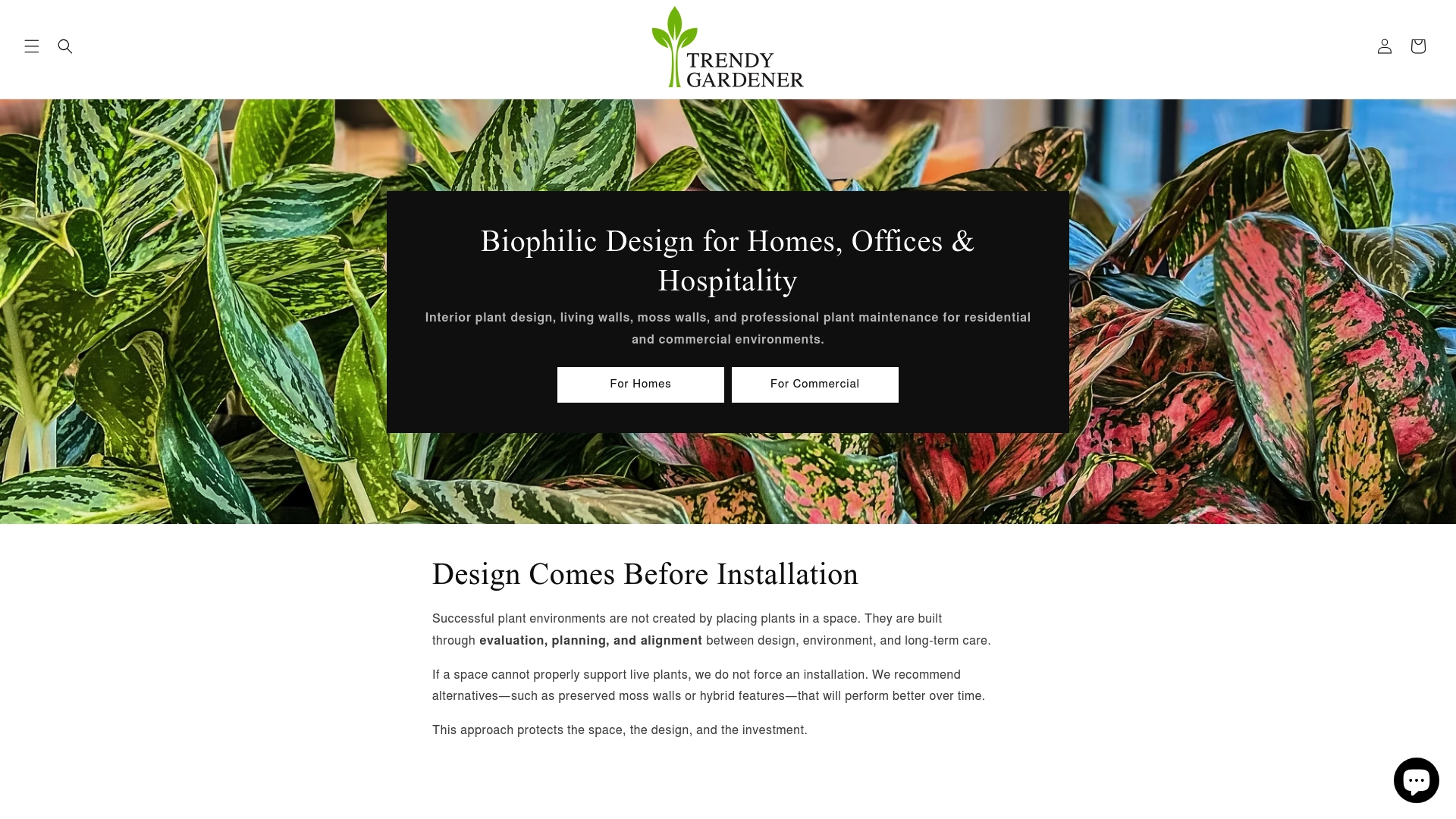
Bring your vision to life with plants that enhance architectural features and perform consistently. Choose Trendy Gardener as your trusted biophilic design partner and secure beautiful spaces that stay alive and engaging throughout every season. Visit our website now to schedule a consultation and discover how our expert solutions can transform your next design project.
Explore our offerings for architects and designers including office plant design and custom preserved moss walls to elevate your interiors with living artistry and effortless care.
Frequently Asked Questions
How can I choose low-maintenance plant varieties for my designs?
Choosing low-maintenance plant varieties involves selecting species that thrive with minimal care, such as pothos and succulents. Start by researching plants suited to your specific environmental conditions, like light and humidity, to ensure longevity in your design.
What factors should I assess for optimal plant health in my projects?
To optimize plant health, assess the natural light conditions in the space. Evaluate light intensity, direction, and seasonal changes before choosing plants that will thrive in those specific conditions.
How do I plan efficient watering and drainage systems for my installations?
Plan efficient watering and drainage systems by grouping plants with similar water needs and designing for proper drainage to prevent root rot. Ensure your watering system aligns with seasonal changes and adjust it based on real-time environmental conditions for best results.
What strategies can I use to integrate plants seamlessly with architectural features?
To integrate plants seamlessly, consider their architectural qualities, such as shape and height, when planning placements. Aim to design with plants as focal points, enhancing visual flows and complementing your existing materials and structural design.
How can I implement sustainable soil practices in my plant installations?
Implement sustainable soil practices by using high-quality, organic potting mixes and regularly incorporating compost to maintain soil health. Schedule periodic soil testing to adapt your fertilization practices based on nutrient needs, enhancing plant performance long-term.
Why is professional maintenance essential for successful plant installations?
Professional maintenance ensures consistent care and attention that can prevent plant decline over time. Plan to outline the maintenance needs clearly in your design documents, enabling professional teams to support long-term success of the installations.
Recommended
- 6 Essential Office Plantscaping Tips 2026 for Workspaces
- 5 Essential Tips from Interior Plantscaping Experts
- Expert Guide to Plant Care Programs for Bespoke Spaces
- Role of Plant Care in Elevated Interiors
- Dubai Brevetta il Design dei “Solar Trees” uniscono Arte, Tecnologia e Design Sostenibile – Avvocato Carmine Coviello