

Role of Indoor Plants in Homes – Wellness and Design Impact
Luxury homes in Greater Des Moines are redefining comfort with indoor plants that do far more than decorate a space. Today, discerning homeowners and designers choose bespoke greenery not only for visual impact but for its role in crafting healthy, restorative environments. With research confirming that indoor plants can reduce harmful pollutants like formaldehyde and benzene while enhancing well-being, creating spaces that feel both exquisite and nurturing is more achievable than ever.
Table of Contents
- Defining The Role Of Indoor Plants
- Common Plant Types For Luxury Homes
- Health And Wellness Benefits At Home
- Design Strategies For Residential Spaces
- Maintenance, Safety, And Common Pitfalls
Key Takeaways
| Point | Details |
|---|---|
| Indoor Plants Enhance Wellness | Strategically placed indoor plants improve air quality and psychological well-being, promoting relaxation and reducing stress. |
| Select Plants for Design and Functionality | Choose plant types based on specific environmental and aesthetic goals, considering light availability and maintenance needs. |
| Biophilic Design Principles Matter | Integrating plants within residential spaces creates holistic environments that support both human well-being and aesthetic beauty. |
| Maintenance is Key to Longevity | Employ monitoring and tailored care strategies to maintain plant health and maximize their air-purifying and psychological benefits. |
Defining the Role of Indoor Plants
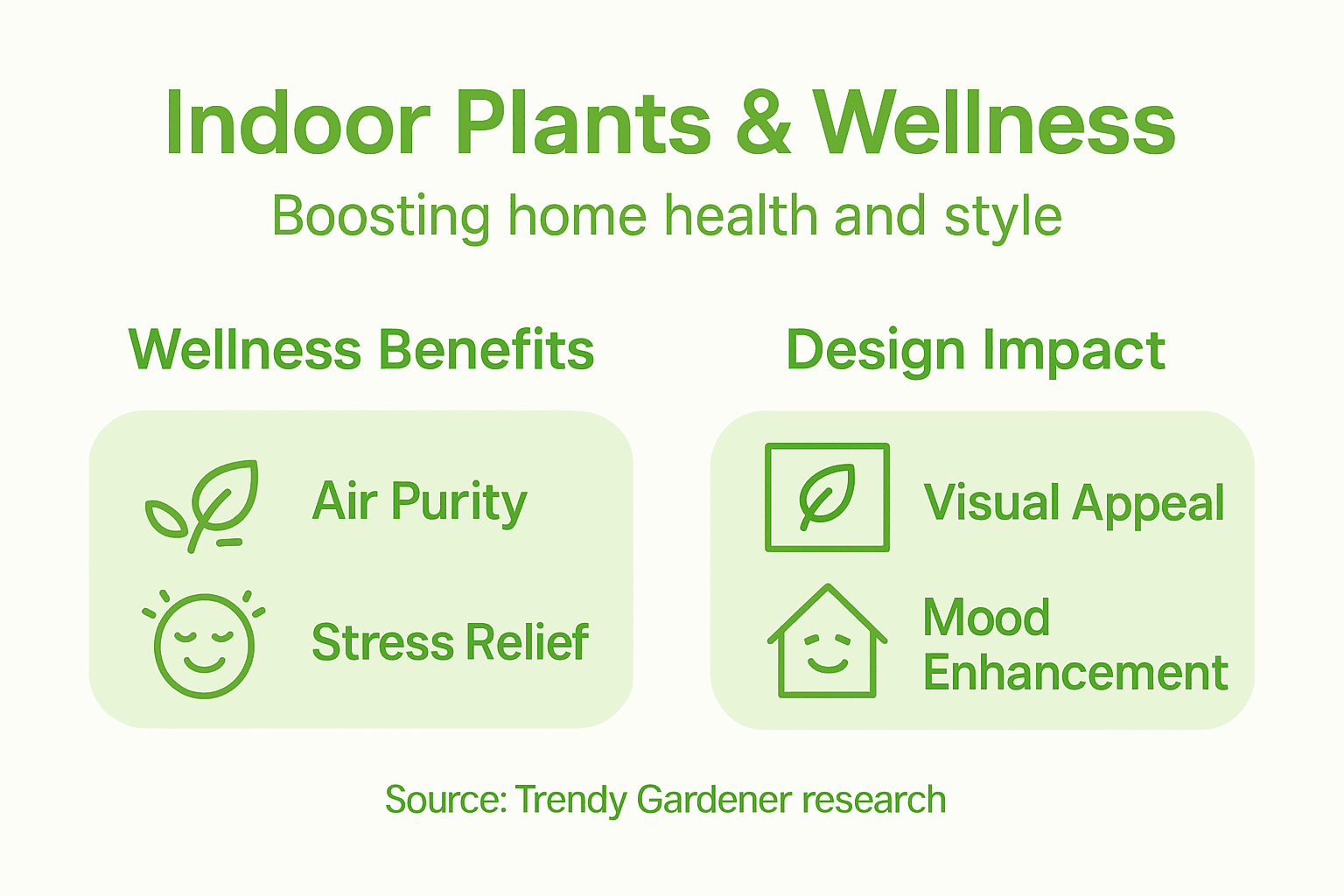
Indoor plants represent far more than decorative elements in residential spaces. They function as dynamic environmental enhancers that actively contribute to human wellness and interior design aesthetics. Comprehensive scientific research reveals these green companions play multifaceted roles extending beyond visual appeal.
The fundamental roles of indoor plants can be categorized into several critical dimensions:
- Physiological Health Enhancement
- Air Quality Improvement
- Psychological Well-being Support
- Environmental Regulation
Indoor plants fundamentally transform interior environments through their remarkable biological processes. Systematic reviews demonstrate that these botanical installations actively reduce harmful pollutants like formaldehyde and benzene while increasing relative humidity and regulating indoor temperatures. Their intricate transpiration and photosynthetic mechanisms create a natural filtration system that continuously cleanses and refreshes interior atmospheres.
Beyond physical environmental benefits, indoor plants significantly impact psychological states. People spending 80-90% of their time indoors experience measurable improvements in stress reduction, cognitive function, and emotional balance through strategic plant integration. The presence of greenery triggers neurological responses that promote relaxation, reduce anxiety, and enhance overall mental clarity.
Pro tip: Select indoor plants strategically based on your specific wellness and design objectives, considering factors like light availability, maintenance requirements, and targeted environmental goals.
Common Plant Types for Luxury Homes
Tropical and architectural plants dominate the landscape of luxury home interior design, offering both aesthetic sophistication and environmental benefits. Research on interior plant selections reveals a strategic approach to incorporating botanical elements that transcend mere decoration.
Luxury homes typically feature plant varieties that combine visual drama with functional advantages:
-
Large-Leaf Foliage Plants
- Monstera deliciosa
- Fiddle Leaf Fig
- Bird of Paradise
-
Ornamental Palms
- Areca Palm
- Kentia Palm
- European Fan Palm
-
Low-Maintenance Architectural Species
- Snake Plants
- ZZ Plants
- Dracaena varieties
Indoor plant selections in high-end residential spaces prioritize species that contribute to air purification, psychological well-being, and design coherence. Sophisticated homeowners increasingly view plants as integral design elements that regulate indoor environmental quality while creating visually stunning living spaces.
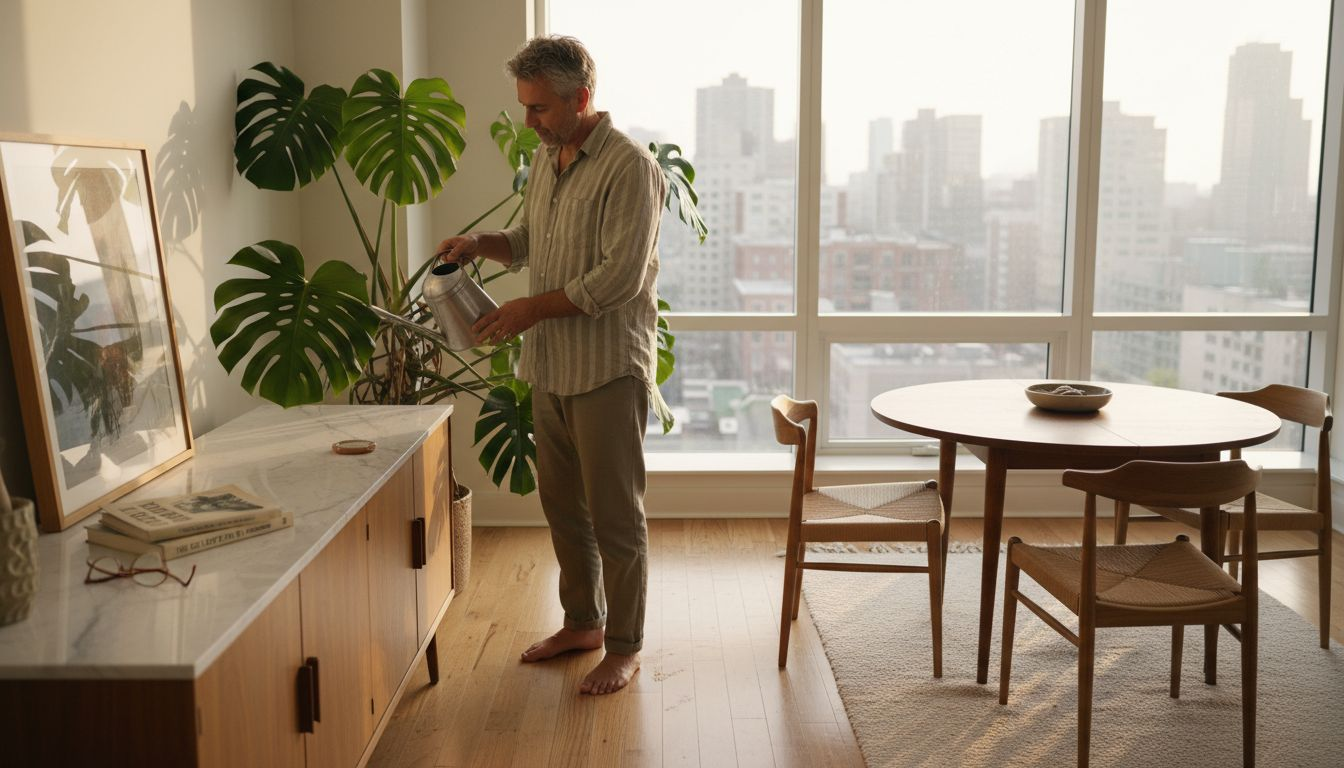
The most successful luxury plant installations balance multiple considerations: light requirements, growth patterns, maintenance complexity, and aesthetic potential. Designers carefully curate plant collections that complement architectural styles, create visual depth, and introduce organic textures into meticulously designed interiors.
Here’s a summary contrasting common luxury indoor plant types and their ideal placement:
| Plant Type | Visual Impact | Best Room Placement | Typical Maintenance Level |
|---|---|---|---|
| Large-Leaf Foliage Plants | Bold, tropical statement | Living rooms, entryways | Moderate, regular watering |
| Ornamental Palms | Elegant vertical accent | Sunrooms, open spaces | Moderate, sensitive to drafts |
| Architectural Species | Modern, sculptural style | Bedrooms, offices | Low, thrives on neglect |
Pro tip: Consult with professional interior plantscapers to develop a customized plant selection strategy that aligns with your home’s specific architectural style, lighting conditions, and wellness objectives.
Health and Wellness Benefits at Home
Indoor plants represent a powerful, natural approach to enhancing personal wellness within residential environments. Systematic reviews demonstrate that strategically placed botanical elements can significantly improve physiological and psychological health markers.
The key wellness benefits of indoor plants include:
-
Physiological Health Improvements
- Reduced blood pressure
- Enhanced respiratory function
- Improved cardiovascular response
-
Cognitive Performance Enhancements
- Increased mental focus
- Better concentration
- Reduced mental fatigue
-
Psychological Well-being Factors
- Stress reduction
- Mood stabilization
- Enhanced emotional resilience
Meta-analytic evidence supports the profound impact of indoor plants on holistic wellness. These green companions actively contribute to creating healthier home environments by reducing negative psychological states and promoting a sense of calm and relaxation.
Beyond aesthetic appeal, indoor plants function as natural wellness interventions. They work silently to purify air, regulate humidity, and create microenvironments that support human physiological and psychological equilibrium. The subtle yet powerful presence of plants can transform living spaces into healing sanctuaries that continuously support occupant well-being.
Pro tip: Position plants strategically in areas where you spend most time, such as home offices and living rooms, to maximize their wellness potential and create natural, restorative environments.
Design Strategies for Residential Spaces
Biophilic design principles transform residential environments by thoughtfully integrating indoor plants as essential design elements. Strategic plant integration goes beyond aesthetic considerations, creating holistic spaces that support human well-being and environmental quality.
Effective residential plant design strategies include:
-
Spatial Placement Techniques
- Consider natural light availability
- Match plant species to room conditions
- Create visual depth and layering
-
Functional Design Approaches
- Use plants as natural room dividers
- Implement vertical gardening solutions
- Integrate plants with architectural elements
-
Wellness-Focused Positioning
- Place air-purifying plants in high-traffic areas
- Create green zones in home offices
- Design relaxation spaces with calming botanical elements
Interior design research emphasizes the importance of understanding each plant’s unique characteristics and environmental requirements. Successful residential plant design requires careful consideration of light exposure, humidity levels, maintenance needs, and aesthetic compatibility with existing interior elements.
The most sophisticated plant designs create narrative experiences within living spaces. By thoughtfully selecting and positioning plants, homeowners can develop microenvironments that tell visual stories, regulate indoor climate, and provide continuous wellness benefits.
Pro tip: Create plant clusters with varying heights and textures to develop dynamic, visually engaging spaces that feel naturally curated and intentionally designed.
Maintenance, Safety, and Common Pitfalls
Indoor plant management requires a strategic approach that balances aesthetic goals with practical care requirements. Plant maintenance research reveals critical considerations for sustaining healthy, thriving botanical environments within residential spaces.
Common maintenance challenges and preventive strategies include:
-
Watering Management
- Use moisture meters
- Understand individual plant water requirements
- Avoid overwatering and root rot
-
Light Exposure Considerations
- Match plants to available light conditions
- Rotate plants for even growth
- Use supplemental grow lights when needed
-
Pest Prevention Techniques
- Inspect plants regularly
- Maintain proper humidity levels
- Use natural pest control methods
Safety-focused research emphasizes the importance of selecting non-toxic plant varieties, particularly in households with children and pets. Understanding each plant’s specific environmental needs prevents common issues like pest infestations, fungal growth, and plant deterioration that can compromise both design integrity and wellness benefits.
Successful indoor plant management transcends simple maintenance. It requires a holistic approach that considers plant physiology, environmental conditions, and the unique characteristics of each residential space. Thoughtful care ensures plants continue to provide aesthetic beauty, air purification, and psychological benefits.
Key differences between basic and advanced indoor plant care strategies:
| Care Approach | Typical Methods | Suitability for New Growers | Impact on Plant Longevity |
|---|---|---|---|
| Basic Care | Fixed schedule watering | Very high | Often limited, risk of issues |
| Advanced Care | Monitoring soil, humidity | Medium | Maximizes health and lifespan |
| Integrated Calendar | Digital reminders for tasks | High if tech-savvy | Reduces missed steps, improves growth |
Pro tip: Create a digital plant care calendar with specific watering, fertilizing, and maintenance schedules tailored to each plant’s unique requirements.
Transform Your Home with Intentional Indoor Plant Design
The article highlights the crucial challenge of selecting and maintaining indoor plants that not only elevate aesthetic appeal but also enhance wellness and environmental quality. Many homeowners struggle with finding the right balance between plants that purify air, reduce stress, and complement sophisticated interior design. Key goals include strategic placement, maintenance of healthy plants, and maximizing physiological and psychological benefits through biophilic design.
At Trendy Gardener, we understand these exact pain points. We offer tailored solutions that address your need for expert plant consultation, sourcing, installation, and ongoing care so your indoor greenery thrives and delivers consistent wellness improvements. From custom living walls to curated indoor plant styling, our premium services bring your vision alive while ensuring plants stay healthy and visually stunning.
Experience how intentional plant integration can transform your living spaces by visiting Trendy Gardener. Discover our comprehensive plant programs and expert biophilic design services crafted to meet your home’s unique needs. Start creating your natural sanctuary today and enjoy the full benefits of indoor plants for wellness and design.
Elevate your home now with living plant artistry that supports health and style. Learn more at Trendy Gardener and begin your plant journey with us.
Frequently Asked Questions
What are the health benefits of having indoor plants in my home?
Indoor plants improve physiological health by reducing blood pressure, enhancing respiratory function, and promoting cardiovascular health. They also support cognitive performance by increasing mental focus and reducing mental fatigue, while positively impacting psychological well-being through stress reduction and mood stabilization.
How do indoor plants improve air quality in residential spaces?
Indoor plants actively reduce harmful pollutants such as formaldehyde and benzene while increasing humidity levels. They act as natural air filters, continuously cleansing and refreshing indoor atmospheres through their biological processes.
What types of indoor plants are best for luxury homes?
Luxury homes often feature large-leaf foliage plants (like Monstera and Fiddle Leaf Fig), ornamental palms (such as Areca and Kentia), and low-maintenance architectural species like Snake Plants and ZZ Plants. These plants combine aesthetic appeal with air purification benefits.
What strategies can I use to effectively integrate indoor plants into my home design?
Effective strategies include considering natural light availability, matching plant species to room conditions, and using plants as natural dividers. Creating plant clusters with varying heights and textures can enhance visual interest and support wellness goals.
Recommended
- Choosing the Right Plants for Maximum Wellness Benefits
- Bringing Life to Your Home: How to Style Houseplants for Every Room Ae
- How Plant Gifting Can Enhance Your Indoor Environment in West Des Moin
- Green Interiors impact on Workplace Productivity and Wellness
- Rolle der Reinigungskraft im Haus – Werterhaltung und Hygiene