

7 Best Types of Indoor Plants for Offices to Elevate Space
Choosing the right office plants for your Des Moines workspace can be tricky. Many plants struggle with poor lighting, erratic watering schedules, and the unique air quality challenges found in corporate buildings. You want greenery that not only survives, but actually improves the environment and makes your office more inviting for both employees and visitors.
The good news is that some indoor plants do more than just look nice. Several options actively filter harmful pollutants like formaldehyde, xylene, and benzene from the air, while others thrive in low light and irregular care conditions. These plants can help regulate humidity, lift mood, and make your workspace healthier and more productive.
Get ready to discover reliable, low-maintenance choices that deliver real air quality benefits and visual appeal. Each plant in the list comes with proven advantages—and practical tips—so you can confidently select the best fit for every corner of your office.
Table of Contents
- 1. Snake Plant: Low-Maintenance Air Purifier
- 2. Pothos: Versatile Hanging or Desk Accent
- 3. ZZ Plant: Tolerant of Low Light and Irregular Care
- 4. Peace Lily: Elegant Touch with Air Cleaning Perks
- 5. Philodendron: Stylish Foliage for Any Space
- 6. Aglaonema: Colorful Leaves for Low Light Areas
- 7. Succulents: Compact and Easy-Care Choices
Quick Summary
| Takeaway | Explanation |
|---|---|
| 1. Choose Low-Maintenance Plants | Select plants like Snake Plants and ZZ Plants that require minimal care, perfect for busy office environments. |
| 2. Enhance Air Quality with Plants | Incorporating Peace Lilies and Pothos improves air purity, reducing indoor pollutants like formaldehyde and benzene. |
| 3. Opt for Flexible Plant Solutions | Use versatile options like Pothos and Philodendron that adapt to various lighting conditions and office layouts. |
| 4. Create Visual Interest | Colorful plants like Aglaonema and trailing succulents add aesthetic appeal and comfort to otherwise sterile office spaces. |
| 5. Ensure Pet Safety | Be cautious of plants like Snake Plants and Aglaonema, which may be toxic to pets; position them out of reach. |
1. Snake Plant: Low-Maintenance Air Purifier
The Snake Plant (Dracaena trifasciata) stands out as one of the most practical choices for Des Moines office environments. This striking succulent tolerates neglect better than almost any other indoor plant, making it perfect for busy facility directors who cannot monitor watering schedules daily. Beyond its visual appeal with upright, architectural leaves, the Snake Plant actively works to improve your office air quality.
Your office air likely contains more pollutants than you realize. Formaldehyde lingers from new furniture and carpet, while volatile organic compounds (TVOCs) off-gas from paint, cleaning products, and office equipment. Research shows that Snake Plants remove formaldehyde and other pollutants from indoor air, making them genuine air-purifying assets rather than just decorative elements. They also regulate humidity levels, which can reduce mold growth that thrives in poorly controlled office environments.
The low-maintenance aspect cannot be overstated for corporate settings. Snake Plants store water in their leaves, requiring watering only every two to three weeks. They thrive in low to medium light conditions, meaning they perform well in corner offices or interior spaces away from windows. They tolerate fluorescent lighting found in most commercial buildings without complaint. This resilience means your employees won’t accidentally kill the plant by forgetting to water it over a long weekend or three-day holiday.
Employee well-being connects directly to workspace quality. Studies indicate that Snake Plants enhance mood and productivity in indoor spaces. The psychological boost from living plants combined with measurably cleaner air creates a more pleasant working environment. For Des Moines offices, this translates to potentially reduced sick days and increased focus among your team. The plant becomes a silent contributor to your bottom line.
Placement strategy matters for maximum impact. Position Snake Plants in high-traffic areas like reception rooms, conference spaces, or employee break rooms where air circulation is better. In individual offices or cubicles, placing one near the desk creates a focused green presence without overwhelming the space. Their architectural form works beautifully in contemporary office settings, complementing minimalist decor while adding visual interest.
One practical consideration for facility directors: Snake Plants are toxic to pets. If your office allows service animals or if employees occasionally bring pets to the workspace, you’ll want to position these plants on elevated surfaces or shelves out of reach. This simple precaution ensures everyone stays safe while you enjoy the plant’s benefits.
Pro tip: Pair Snake Plants with other low-light tolerant plants throughout your office to create a cohesive green presence without increasing maintenance demands on your facilities team.
2. Pothos: Versatile Hanging or Desk Accent
Pothos brings flexible design possibilities to your office that few other plants can match. This trailing vine plant adapts to hanging baskets, cascading from shelves, or growing upright on a desk with support, giving you complete control over how it fits your space. The heart-shaped leaves add visual softness to corporate environments while requiring minimal attention from your team.
Your office layout likely has awkward corners or empty wall space that could use visual interest. Pothos solves this problem without demanding special care or attention. The plant thrives in various light conditions, from low fluorescent office lighting to bright indirect windows. It tolerates irregular watering schedules, making it forgiving when employees forget to water it during busy weeks. Unlike finicky plants that decline quickly from neglect, pothos actually prefers slightly drier conditions between waterings.
The air purification benefits make pothos more than just a pretty accent. Research shows that pothos filters formaldehyde and benzene from indoor air, actively improving the quality of your workspace. As these toxins are common in office furniture, carpeting, and cleaning products, having pothos working quietly in the background means your employees breathe slightly cleaner air throughout their workday. The plant also boosts humidity levels naturally, which can reduce dry skin and respiratory irritation that plague many office workers in heated or air-conditioned buildings.
Design flexibility makes pothos particularly valuable for Des Moines facilities. In a reception area, let it trail from a high shelf to create a welcoming green cascade that visitors see upon entry. In an individual office, position pothos on a desk planter where its gentle growth pattern softens the rigidity of workspace furniture. In break rooms, hang it in a basket where people can appreciate the living greenery while taking their coffee break. The same plant works beautifully in all these scenarios without needing environmental adjustments.
Trailing pothos also offers practical benefits beyond aesthetics. The cascading vines naturally draw the eye upward and across walls, making spaces feel larger and more open. This visual expansion can improve how employees experience cramped or windowless areas. The living green element breaks up harsh furniture lines and softens the industrial feeling of many modern offices.
Temperature tolerance adds another advantage. Pothos handles the temperature fluctuations common in offices where thermostats adjust throughout the day and night. Unlike tropical plants that struggle with air conditioning or heat from radiators, pothos adapts without complaint. This resilience means you won’t deal with plant damage from seasonal temperature shifts.
Pro tip: Rotate your pothos monthly to encourage even growth on all sides, and occasionally trim trailing vines to direct growth toward areas you want covered or to prevent the plant from becoming overgrown in tight office spaces.
3. ZZ Plant: Tolerant of Low Light and Irregular Care
The ZZ Plant represents the ultimate choice for office environments where conditions are less than ideal. This African native thrives in spaces that challenge most other plants, making it perfect for interior offices without windows or corners with minimal natural light. The ZZ Plant’s ability to handle neglect transforms it into a reliable green presence regardless of your facility’s lighting constraints.
Understanding how the ZZ Plant survives difficult conditions reveals why it works so well in offices. The plant stores water in underground rhizomes, which are specialized root structures that function like natural water reservoirs. This biological adaptation means the ZZ Plant can go weeks without watering, drawing from its internal water supply when the soil dries out. The waxy coating on its leaflets further reduces water loss through evaporation, allowing the plant to thrive in the low humidity typical of climate controlled office buildings.
Low light tolerance comes from the ZZ Plant’s native habitat in the shaded forest understory of Eastern Africa. The plant evolved to capture and utilize minimal light efficiently, which translates perfectly to fluorescent lit office environments. While growth slows in low light conditions compared to brighter spaces, the plant continues to develop new stems and foliage steadily. This means your office still benefits from a living, growing plant even in windowless interior spaces where other options would merely survive or decline.
For Des Moines facility directors managing multiple office spaces, the ZZ Plant solves a critical problem. Interior conference rooms, interior hallways, and basement storage areas that cannot accommodate light-dependent plants suddenly become viable for greening. You gain the ability to place living plants throughout your facility without investing in specialized grow lights or extensive modifications. The aesthetic and air quality benefits of having green plants in every zone now become possible.
The maintenance demands are genuinely minimal. A ZZ Plant needs water only when the top inch or two of soil feels dry to the touch, typically every two to three weeks depending on office temperature and humidity. No special fertilizers are required, though a light feeding during growing season supports faster development. The plant tolerates the temperature fluctuations, air conditioning, and heating cycles that characterize most office buildings without stress. Yellowing older foliage is normal and can simply be pruned away to maintain a neat appearance.
The ZZ Plant’s thick rhizomes store water like natural underground reservoirs, allowing survival during extended periods without watering that would harm most office plants.
Pest issues rarely affect ZZ Plants indoors. Spider mites and mealybugs occasionally appear on other houseplants, but the ZZ Plant’s waxy leaves and overall resilience make it less susceptible to infestations. This means fewer pest management interventions and less disruption to your office operations. Employees appreciate not dealing with the occasional bug problem that sometimes accompanies bringing live plants indoors.
The visual appeal matters too. ZZ Plants develop a lush, full appearance with their dark green, feathery leaflets arranged along upright stems. The elegant foliage complements contemporary office design while adding a tropical softness to otherwise utilitarian spaces. The plant grows to a reasonable size for most office settings, typically reaching two to three feet tall without becoming overwhelming. Unlike some plants that require aggressive pruning to maintain shape, the ZZ Plant naturally develops a balanced, attractive form.
When considering low-light office plants for your workplace, the ZZ Plant consistently ranks as a top performer. Its combination of genuine low-light tolerance, water-storage capability, and minimal care requirements creates a plant that works in almost any office situation. Whether you manage a single executive office or coordinate plantscaping across multiple floors in a Des Moines building, the ZZ Plant delivers reliable results.
Pro tip: Allow the soil to dry between waterings rather than keeping it consistently moist, and wipe leaves occasionally with a soft, damp cloth to remove dust and keep the glossy surface looking vibrant.
4. Peace Lily: Elegant Touch with Air Cleaning Perks
The Peace Lily combines sophisticated appearance with genuine air purification abilities, making it an exceptional choice for professional office environments. This plant produces elegant white flowers that stand out against glossy green foliage, instantly upgrading the visual appeal of any workspace. Beyond its decorative value, the Peace Lily actively removes harmful toxins from your office air while requiring minimal maintenance.
Office air quality directly impacts employee health and productivity. Your workspace likely contains formaldehyde from new furniture, carpeting, and office equipment. Ammonia lingers from cleaning products, while benzene drifts from various office materials. The Peace Lily doesn’t just look beautiful while these toxins circulate around your employees. Research backed by NASA studies confirms that Peace Lilies remove formaldehyde and benzene from indoor air, actively purifying the environment your team works in daily.
The air quality improvements extend beyond toxin removal. Peace Lilies naturally increase humidity levels through transpiration, the process where they release water vapor through their leaves. This humidity boost combats the dry air that plagues many climate-controlled offices, reducing respiratory irritation and dry skin that distract employees. Higher humidity also decreases mold spore concentration, benefiting anyone prone to allergies or asthma. Employees breathing more comfortable, properly humidified air experience fewer headaches and better overall wellness throughout their workday.
The psychological benefits matter as much as the physical ones. Studies show that Peace Lilies create serene, calming environments that reduce stress and promote mental clarity. For your Des Moines team handling demanding projects and tight deadlines, having a living plant that literally calms the environment provides measurable value. The combination of the plant’s elegant appearance and its stress-reducing presence transforms a sterile office into a space where people genuinely want to spend their working hours.
Care requirements stay remarkably simple, which is crucial for busy office environments. The Peace Lily thrives in low to medium light, meaning it performs well in standard office lighting without demanding placement near windows. The plant signals when it needs water by drooping slightly, providing clear visual feedback rather than requiring you to follow a strict watering schedule. This self-communicating nature makes it virtually impossible to accidentally neglect. If the leaves droop, you water it. Within hours, the plant perks back up, demonstrating immediate responsiveness that builds confidence in anyone caring for it.
The white flower blooms add unexpected elegance to office spaces. Unlike many houseplants that offer only foliage, the Peace Lily produces striking white spathes that last for weeks, providing seasonal interest and visual variety. These blooms appear naturally when the plant is happy with its growing conditions, rewarding you with beautiful flowers simply by providing basic care. The blooming cycle offers something new to appreciate as the seasons shift, preventing the plant from becoming just background greenery.
Workspace aesthetics matter more than many facility directors realize. Research shows that workspace productivity improves significantly when employees work surrounded by living plants. The Peace Lily’s sophisticated appearance elevates the overall aesthetic of conference rooms, client reception areas, or executive offices more effectively than most other houseplants. Clients entering your office immediately perceive a space that values quality and attention to detail when they see a thriving, elegant Peace Lily greeting them.
Peace Lilies naturally increase humidity through transpiration while simultaneously removing toxic compounds from the air, delivering both health and comfort benefits to your office environment.
Placement strategy maximizes the Peace Lily’s impact. In reception areas, the elegant white blooms make a striking first impression while purifying the air that visitors breathe. In executive offices, a single Peace Lily on a credenza adds understated sophistication while silently improving air quality. In break rooms, the plant creates a more pleasant environment where employees actually want to spend their lunch breaks. The versatility of the Peace Lily means it works beautifully in virtually any office setting.
Pro tip: Wipe the Peace Lily’s leaves monthly with a soft, damp cloth to remove dust and keep the foliage glossy and vibrant, which also enhances the plant’s air purification effectiveness.
5. Philodendron: Stylish Foliage for Any Space
Philodendrons deliver sophisticated style and remarkable adaptability, making them ideal for offices seeking plants that work as hard as they look. These plants showcase large, glossy leaves in shapes and colors that elevate any workspace aesthetic. Whether you need a trailing vine for a high shelf or an upright statement plant for a corner, philodendrons adapt to your office layout while requiring minimal fuss.
The variety within the philodendron family means you can customize your office plantscape to match your design vision. Some varieties feature classic heart-shaped leaves in deep green, while others offer vibrant neon pink new growth or velvety burgundy foliage. This diversity allows you to create visual interest throughout your office without selecting plants that all look identical. One variety might work beautifully in your executive reception area while a different type fits perfectly in a casual break room, all under the same low-maintenance umbrella.
Adaptability to various light conditions sets philodendrons apart from plants that demand specific environmental placement. While they genuinely thrive in medium to bright indirect light, philodendrons tolerate low light conditions that would stress many other houseplants. Growth slows in lower light situations, and variegated leaf patterns may become less pronounced, but the plant continues developing steadily rather than declining. This flexibility means you can place a philodendron nearly anywhere in your Des Moines office and expect it to survive and gradually expand.
Care requirements stay refreshingly simple. Philodendrons prefer moderate watering, meaning you water when the top inch of soil feels dry but don’t overwater. They appreciate medium humidity but adapt to typical office environments without supplemental misting. No special fertilizers or equipment are necessary. The plant communicates its needs clearly through drooping leaves when thirsty or yellowing foliage if overwatered, giving you straightforward feedback about whether adjustments are needed.
Air purification benefits add practical value beyond aesthetics. Philodendrons offer air-purifying qualities by removing toxins from indoor air, contributing to the overall wellness of your office environment. Combined with the stress-reducing psychological benefits of having attractive living plants around, philodendrons work on multiple levels to improve your workspace quality. Employees appreciate the cleaner air and more pleasant visual environment created by these lush plants.
The plant form options allow creative placement strategies. Climbing varieties like the Heartleaf Philodendron can ascend a moss pole, creating vertical interest that draws the eye upward and makes rooms feel larger. Self-heading types naturally develop into bushy, compact plants that work well on desks, shelves, or credenzas without sprawling across surfaces. This dual nature means you can design your office greenery around your actual space constraints rather than forcing plants to fit an uncomfortable configuration.
For corporate facility directors managing offices across Des Moines, philodendrons solve the challenge of wanting cohesive plantscaping with visual variety. You could select multiple philodendron varieties to create a coordinated look that feels intentional rather than random. The consistent care requirements across varieties simplify maintenance protocols for your facilities team. Everyone learns one basic philodendron care routine that works across multiple plant types, reducing complexity and training time.
Philodendrons adapt well to indoor environments with their large, glossy leaves and flexible growing habits, making them ideal for offices where lighting and conditions vary across different spaces.
The styling possibilities genuinely set philodendrons apart in office environments. A neon pink philodendron creates a vibrant focal point that energizes a conference room. A deep green climbing variety softens the corners of an austere executive office. A burgundy velvet philodendron adds unexpected richness to a break room corner. The same genus offers completely different visual statements depending on variety selection, allowing you to express design personality throughout your office while maintaining reliable plant performance.
Employee reactions matter more than you might expect. Plants with striking foliage like philodendrons generate positive comments and interest from staff. Employees mention the beautiful office environment, appreciate the thought that went into the design, and experience genuine mood improvements from working surrounded by attractive, healthy plants. This intangible benefit translates into a more pleasant workplace culture where people feel valued and cared for.
Pro tip: Rotate your philodendron monthly to encourage even growth on all sides, and occasionally wipe the large leaves with a soft, damp cloth to remove dust and keep the glossy foliage looking vibrant and healthy.
6. Aglaonema: Colorful Leaves for Low Light Areas
Aglaonema, commonly called Chinese Evergreen, brings vibrant color to office spaces where most plants struggle to survive. This plant combines striking variegated foliage in shades of silver, pink, and red with the remarkable ability to thrive in low light conditions. For facility directors managing interior offices or poorly lit corners, Aglaonema solves the problem of wanting visual interest in spaces that cannot support light-demanding plants.
The color variation in Aglaonema foliage sets it apart from typical office plants. While many low-light tolerant plants offer only uniform green leaves, Aglaonema delivers leaves patterned with silvery white, soft pink, or deep red markings depending on variety. These color patterns aren’t just visually appealing. The variation indicates the plant’s adaptation to capturing available light more efficiently than solid-colored foliage. The patterned leaves reflect and utilize ambient light more effectively, enabling the plant to photosynthesize successfully even in dim office environments.
Low-light tolerance addresses a genuine challenge in many office layouts. Interior conference rooms, basements, or corners blocked from windows often go without plants because traditional houseplants would decline in such conditions. Aglaonema changes this equation. These plants thrive where light is limited, making it possible to introduce living greenery throughout your entire office rather than only in windowed areas. This expanded plantscaping opportunity means you can create a cohesive green environment regardless of your building’s architecture.
Moisture flexibility adds another layer of practicality. Aglaonema adapts to variable watering schedules, tolerating both slightly drier conditions and occasional overwatering better than many houseplants. Your facilities team doesn’t need to maintain precise moisture levels or follow rigid watering schedules. The plant communicates through drooping leaves if it’s very thirsty, but overall it forgives inconsistent care. This resilience makes Aglaonema ideal for busy offices where plant care attention might be sporadic.
Air purification benefits contribute to workplace wellness. Aglaonema plants combine vibrant foliage with air-purifying traits, actively removing toxins from your office air. The combination of improved air quality and visually stunning colorful leaves means you’re not sacrificing health benefits for aesthetics or vice versa. Every Aglaonema in your office works on both fronts simultaneously.
Design flexibility allows creative office styling. A pink-variegated variety might brighten a client meeting room while handling the low-light conditions of an interior space. A silver and white patterned type could anchor a contemporary office aesthetic while bringing life to a poorly lit corner. A red-tinged variety might add warmth to an otherwise cool corporate environment. The color palette options let you coordinate with your office design scheme while staying within the boundaries of genuinely reliable, low-light tolerant plants.
One important consideration for facility directors requires attention. Aglaonema plants are toxic to pets if ingested. If your office allows service animals or employees occasionally bring pets to work, you’ll need to position these plants on elevated surfaces or in areas where animals cannot access them. This straightforward precaution ensures plant safety benefits without compromising pet safety.
Aglaonema thrives in low light environments while displaying vibrant color patterns, making it the ideal solution for adding visual interest to interior offices without specialized lighting equipment.
Placement strategy maximizes Aglaonema’s impact. In an interior office away from windows, Aglaonema provides colorful greenery that transforms the space into something more welcoming. In a dim hallway or stairwell, it adds unexpected botanical interest. In a basement break room or back office, it brings life to spaces that might otherwise feel sterile. The plant’s color actually becomes more vivid as it adapts to lower light, so you get increasingly striking foliage the longer the plant acclimates to your office.
Employee wellness benefits extend beyond air quality. Research consistently shows that employees working in environments with living plants experience reduced stress and improved mood. The vibrant colors of Aglaonema provide visual interest that more neutral-colored plants cannot match. Employees notice and appreciate the deliberate aesthetic choices reflected in your office plantscape. This attention to design detail signals to your team that you value their work environment and their wellbeing.
Pro tip: Rotate your Aglaonema occasionally to ensure even light exposure, and periodically wipe the patterned leaves with a soft, damp cloth to remove dust and enhance the visibility of the beautiful color markings.
7. Succulents: Compact and Easy-Care Choices
Succulents represent the ultimate solution for office managers seeking plants that demand virtually no attention while delivering consistent visual appeal. These fleshy-leaved plants store water internally, allowing them to thrive on minimal watering and handling. Whether you want to populate desks, shelves, or windowsills throughout your Des Moines office, succulents provide compact greenery that fits naturally into space-conscious corporate environments.
The biological adaptation that makes succulents special is their water-storage system. Fleshy leaves function as natural reservoirs, allowing the plant to survive extended periods without watering that would kill most other houseplants. This internal water supply means succulents can go weeks or even longer without attention. For office environments where staff may travel, work remotely, or simply get busy with their responsibilities, this water-storage capability transforms succulents into the most forgiving option available. You can confidently place a succulent on an employee’s desk knowing it will survive the occasional forgotten watering or two-week vacation without decline.
Variety options ensure you can find succulents matching any office aesthetic. Jade plants develop tree-like forms with thick stems and dark green leaves, creating architectural interest on a credenza. Aloe Vera provides vertical growth with spiky leaves that add contemporary flair while delivering the bonus of gel useful for minor burns. Echeveria forms beautiful geometric rosettes in shades of blue, pink, and purple that look like living sculpture on a shelf. This diversity means you’re not stuck with one look across multiple plants. You can create visual variety while maintaining consistent care requirements.
Compact size addresses a fundamental challenge in office plantscaping. Not every workspace has room for large floor plants or statement pieces that demand significant square footage. Succulents solve this problem elegantly. A small succulent on a desk occupies minimal space while delivering immediate visual interest. Multiple small succulents arranged on a shelf create an appealing vignette without overwhelming the surface. Large succulents can serve as statement plants in corners or on file cabinets. The flexibility of size means you can introduce greenery into tight spaces that cannot accommodate other plant types.
Light requirements suit most office environments naturally. Indoor succulents thrive in bright, indirect light, which describes the lighting available in most contemporary offices near windows or under skylights. Unlike tropical plants that struggle with artificial lighting alone, succulents genuinely prefer not to be in direct sunlight indoors where glass intensifies the rays. Your standard office windowsill provides virtually ideal conditions for succulent growth. Even desks positioned away from windows can support succulents if the area receives reasonable daylight.
Watering represents the most critical care consideration, and succulents make it remarkably simple. These plants require well-draining soil that allows excess water to exit quickly, preventing the root rot that kills most succulents. Allow the soil to dry completely between waterings. During growing season, water every two to three weeks. During winter, reduce watering to monthly or even less frequently. This sparse watering schedule aligns perfectly with busy office operations where daily plant maintenance isn’t realistic.
Air purification benefits add practical value to their aesthetic contributions. Succulents contribute to air purification while serving as visually interesting desk accessories. The combination of minimal care, compact size, and air-improving properties makes succulents an excellent choice for individuals working at their desks or in personal offices. Employees appreciate having living plants that they can maintain without special effort or expertise.
Succulents store water in their fleshy leaves, allowing them to thrive on infrequent watering and minimal care while delivering visual interest to compact office spaces.
Placement strategy maximizes succulent impact throughout your office. Individual succulents on employee desks humanize workspaces while requiring virtually no maintenance from already busy staff. A collection of varied succulents on a reception desk creates an immediately approachable, welcoming aesthetic that signals intentional design. Arranged in groups on shelves or windowsills, succulents create focal points that draw the eye. The flexibility of placement means you can integrate succulents throughout your entire office ecosystem rather than concentrating them in a few designated areas.
Potting creativity allows for personalization within a cohesive plantscape. Succulents look beautiful in minimalist concrete pots for contemporary offices, terra cotta containers for warmer aesthetics, or decorative ceramic vessels that reflect your office style. Small desk arrangements might feature multiple succulents in a shallow dish, creating a miniature garden that employees genuinely enjoy maintaining. This customization aspect transforms succulents from basic houseplants into design elements that feel intentional and coordinated.
Cost efficiency matters for facility directors managing plantscape budgets. Succulents are generally affordable, allowing you to outfit multiple office spaces without substantial investment. The long lifespan of succulents means you’re not constantly replacing plants. A jade plant or Echeveria maintained properly can thrive for decades, making the initial purchase cost negligible over time. This economics advantage extends your plantscape budget further while delivering consistent results.
Employee skill level doesn’t matter with succulents. Even people who claim they cannot keep plants alive successfully maintain thriving succulents. The forgiveness factor removes intimidation from office plant care. Employees feel accomplished when their desk succulent thrives under minimal attention. This confidence can extend to other plants, gradually building a culture where colleagues appreciate and maintain the living plants throughout your office. What starts with easy succulents can evolve into broader plantscape appreciation.
Pro tip: Use well-draining potting soil specifically formulated for succulents rather than regular potting mix, and ensure pots have drainage holes to prevent water accumulation that causes root rot.
Below is a comprehensive table summarizing the characteristics, benefits, and suitability of various indoor plants for office environments discussed in the article.
| Plant Name | Key Features | Benefits |
|---|---|---|
| Snake Plant | Tolerant to neglect, low water needs, thrives in low to medium light conditions. | Purifies air by removing volatile organic compounds, enhances employee mood and productivity. |
| Pothos | Adaptable growth forms, tolerates low lighting and irregular watering. | Filters toxins like formaldehyde and benzene from the air, boosts humidity, visually softens spaces. |
| ZZ Plant | Low light and low maintenance requirements, stores water in rhizomes. | Excellent for shaded interiors, thrives on infrequent watering, resilient against common pest issues. |
| Peace Lily | Elegant appearance with white flowers, thrives in low to medium light. | Removes formaldehyde and benzene, increases humidity, creates a calm indoor environment beneficial for mental well-being. |
| Philodendron | Versatile growth habits, available in various vibrant leaf shapes and colors. | Adapts to diverse lighting conditions, purifies air, contributes to stylish office design and vibrant aesthetics. |
| Aglaonema | Variety of colorful leaf patterns, tolerant to low light and variable watering. | Adds visual interest, purifies air, maintains resilience in less-than-ideal environments. |
| Succulents | Compact and water-efficient due to water storage capacity in leaves. | Low maintenance, aesthetically diverse, suitable for busy or less-experienced caretakers, fits in space-constrained areas. |
Elevate Your Office Space with Expert Indoor Plant Solutions
In the article, you discovered how plants like Snake Plants, Pothos, and ZZ Plants can transform Des Moines office environments by improving air quality, boosting employee mood, and requiring minimal maintenance. Yet managing these living assets across multiple rooms or floors can become overwhelming. The challenge is creating a cohesive, intentional workspace that feels alive while ensuring plants receive proper care without adding burden to your facilities team. You want a reliable, beautifully designed plantscape that supports your team’s wellness and productivity without the stress of ongoing plant management.
That is where Trendy Gardener steps in. As a premium biophilic design firm and interior plantscaping partner, we offer end-to-end services including consultation, sourcing, installation, and expert maintenance—so your indoor plants never become a problem but always a benefit. Whether you want signature Snake Plant installations, versatile Pothos accents, or lush ZZ Plant arrangements, we tailor solutions that align with your office’s unique needs and aesthetic goals. Our operational reliability and plant care expertise guarantee your workspace looks exceptional on day one and stays vibrant over time.
Discover how our custom indoor plant styling and staging can bring the air-purifying and mood-enhancing benefits outlined in the article into your professional environment. Elevate your offices with bespoke living walls or choose our plant leasing and rental programs with maintenance to simplify ongoing care while impressing clients and staff alike.
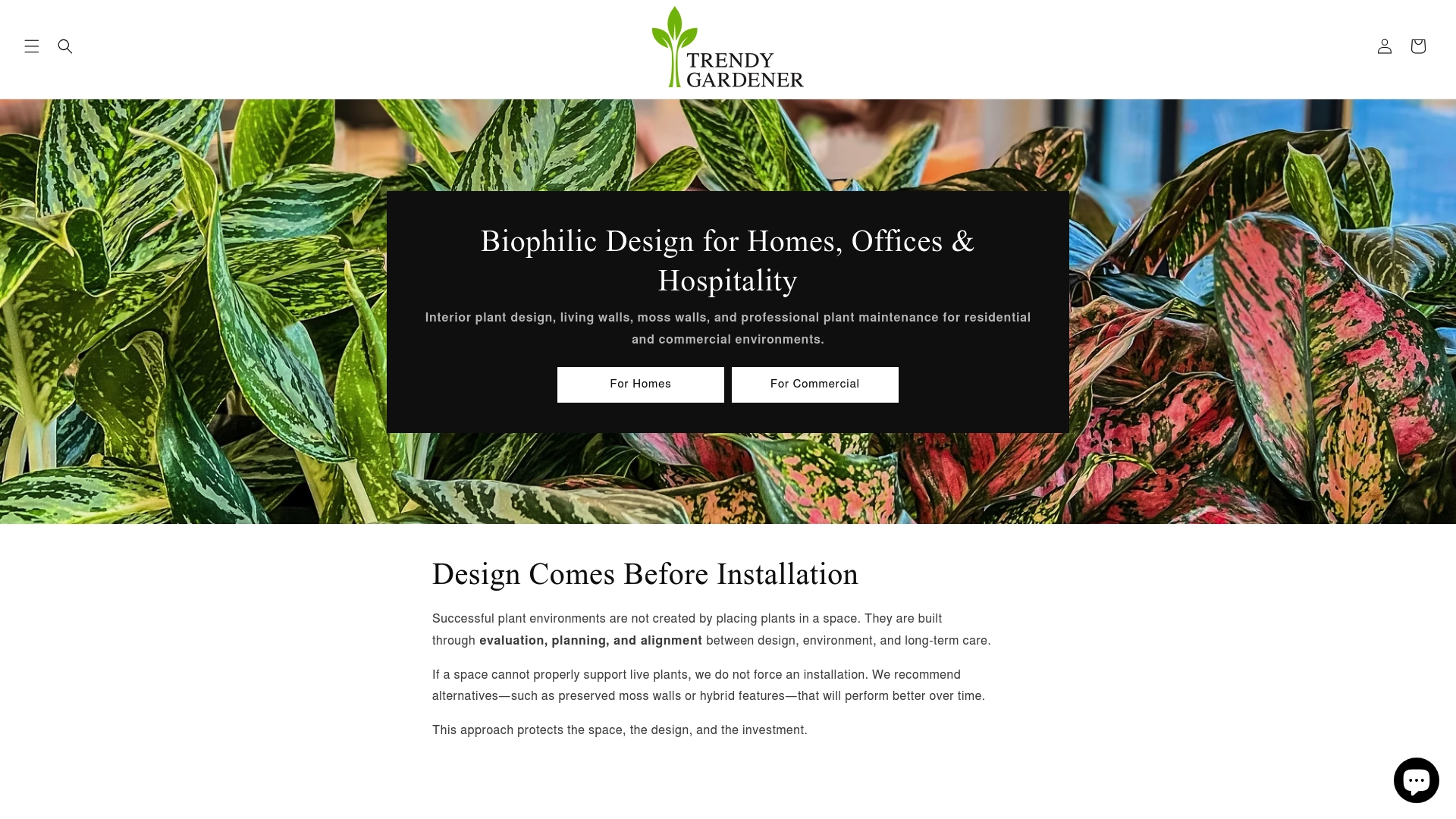
Experience the power of intentional greenery that supports health, reduces stress, and makes your office a place employees love to be. Visit Trendy Gardener today to start your personalized plant program and create a workspace that truly feels alive.
Frequently Asked Questions
What are the best indoor plants for offices to improve air quality?
The best indoor plants for offices that improve air quality include Snake Plants, Pothos, and Peace Lilies. To enhance your office environment, consider adding these plants, which can filter toxins and boost humidity levels.
How can I choose the right indoor plants for low-light office spaces?
For low-light office spaces, choose plants such as ZZ Plants, Aglaonema, and Philodendrons, which thrive in minimal light. Assess the lighting conditions and select plants that can adapt to those environments effectively.
How do I care for indoor plants in an office setting?
Caring for indoor plants typically involves watering them based on their specific needs and ensuring they have proper light conditions. For instance, water Snake Plants every 2-3 weeks and place them in low to medium light to keep them healthy.
Can indoor plants really impact employee mood and productivity?
Yes, indoor plants can positively influence employee mood and productivity by creating a more pleasant and calming environment. To take advantage of this benefit, introduce a variety of plants, such as Pothos or Peace Lilies, to your workspace within 30 days.
Are there any indoor plants that are safe for pets in the office?
Yes, several indoor plants are pet-friendly, such as Spider Plants and Boston Ferns. If your office has pets, be cautious and position potentially toxic plants like Snake Plants or Aglaonema out of reach.
How often should I rotate the plants for even growth?
It’s recommended to rotate your indoor plants every month to ensure even growth and light exposure. Regular rotation will help maintain their health and aesthetic appeal.