

Indoor Plant Care Guide for Clinics: Enhance Patient Wellness
Every clinic manager knows how a sterile lobby can feel unwelcoming to patients seeking comfort during stressful moments. In Des Moines, creating an inviting healthcare setting goes beyond new paint—it’s about integrating nature to support wellbeing. Thoughtful indoor plant care through biophilic design transforms clinical spaces into places where healing begins with a sense of calm. Discover how strategic green space planning brings psychological relief, improved air quality, and a safer environment for every patient.
Table of Contents
- Step 1: Assess Clinic Environment For Optimal Plant Placement
- Step 2: Select Suitable Indoor Plants For Health And Aesthetics
- Step 3: Prepare Clinic Spaces For Safe Plant Installation
- Step 4: Implement Effective Plant Watering And Maintenance Routines
- Step 5: Monitor Plant Health And Adjust Care Protocols
Quick Summary
| Key Message | Explanation |
|---|---|
| 1. Assess Environment for Plant Placement | Evaluate your clinic’s layout and identify optimal zones for plants, focusing on infection control and patient visibility. |
| 2. Select Suitable Indoor Plants | Choose low-maintenance plants with strong air purification qualities that enhance both health and aesthetics in clinical spaces. |
| 3. Prepare Spaces for Safe Installation | Collaborate with infection control specialists to ensure plant placement meets safety protocols and does not obstruct medical workflows. |
| 4. Implement Effective Maintenance Routines | Establish a watering and maintenance schedule tailored to each plant’s needs, ensuring they thrive without disrupting clinical operations. |
| 5. Monitor Plant Health Regularly | Develop a system to proactively check plant health, documenting any changes and adjusting care protocols as necessary for optimal growth. |
Step 1: Assess clinic environment for optimal plant placement
Designing a plant strategy for your healthcare facility requires thoughtful analysis of your unique clinical space. By carefully evaluating environmental factors, you can create a healing atmosphere that supports patient wellness while maintaining strict infection control standards.
Begin by thoroughly examining your clinic’s layout and identifying zones where plants can provide maximum therapeutic benefit. Healthcare facilities must prioritize infection control when introducing greenery, so your assessment should focus on several critical dimensions:
- Infection Risk Management: Select areas with minimal direct patient contact
- Lighting Conditions: Identify spaces with consistent, indirect natural or artificial light
- Traffic Flow: Choose locations that won’t obstruct medical staff movement
- Patient Visibility: Position plants where bedridden or mobility-limited patients can view them
Pay special attention to waiting areas, corridors, and recovery spaces where plants can offer psychological comfort. Indoor green spaces should enhance healing without compromising clinical functionality. Look for spots near windows or in common areas where plants can create a sense of tranquility without interfering with medical equipment or sanitization protocols.
Strategic plant placement transforms clinical environments from sterile spaces into healing landscapes that support patient recovery.
Carefully map your clinic’s unique characteristics, considering temperature stability, air circulation, and proximity to cleaning stations. Some ideal locations include reception areas, patient waiting rooms, and hallway sections with consistent indirect light.
Pro tip: Consult with your infection control team to develop a comprehensive plant placement strategy that aligns with your facility’s specific health and safety guidelines.
Step 2: Select suitable indoor plants for health and aesthetics
Choosing the right indoor plants for your clinic involves a strategic balance between health benefits and visual appeal. Your selection will transform clinical spaces from sterile environments into healing landscapes that support patient wellness and improve overall atmosphere.
Indoor plants offer significant air purification potential through their unique ability to absorb and neutralize environmental toxins. When selecting plants for your healthcare setting, consider these critical criteria:
- Air Purification Capabilities: Choose species known for removing pollutants
- Low Maintenance Requirements: Select plants that thrive with minimal care
- Aesthetic Appearance: Ensure plants complement the clinical environment
- Safety Considerations: Avoid plants with sharp edges or toxic properties
Prioritize plant species like Ficus, Snake Plants, and Peace Lilies that demonstrate exceptional air-cleaning properties. These plants not only enhance indoor air quality but also create a visually calming atmosphere that can positively impact patient psychological well-being.
Strategic plant selection transforms healthcare spaces from clinical zones into therapeutic environments that heal both physically and emotionally.
Consider the specific conditions of your clinic, including light exposure, temperature stability, and humidity levels. Certain plants like Dracaena and Spider Plants are particularly effective at filtering indoor air and can adapt to various environmental conditions.
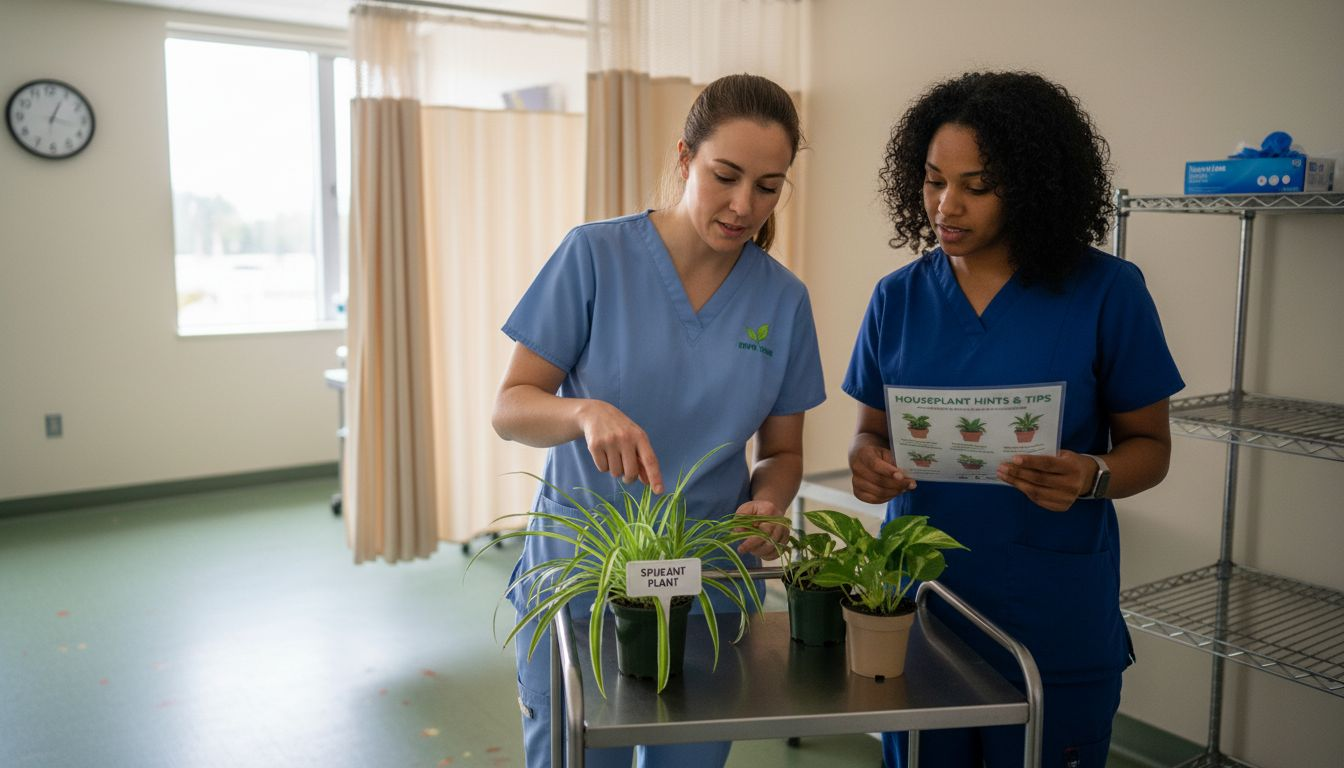
Here’s how popular clinic indoor plants compare for clinical environments:
| Plant Species | Air Purification Strength | Maintenance Difficulty | Suitability for Clinics |
|---|---|---|---|
| Snake Plant | Excellent | Low | Thrives in low light, safe for most |
| Peace Lily | Very Good | Moderate | Filters toxins, requires moist soil |
| Ficus | Good | Moderate | Attractive but can shed leaves |
| Dracaena | Good | Low | Adapts to various conditions |
| Spider Plant | Good | Very Low | Hardy and non-toxic, grows quickly |
Pro tip: Consult with a professional botanist or interior plantscaping specialist to develop a tailored plant selection strategy that meets your clinic’s unique health and aesthetic requirements.
Step 3: Prepare clinic spaces for safe plant installation
Preparing your healthcare facility for plant integration requires a meticulous approach that balances aesthetic appeal with rigorous safety standards. Your goal is to create a healing environment that enhances patient wellness without compromising clinical protocols.
Healthcare facilities must prioritize infection prevention protocols when introducing indoor plants. Before installation, conduct a comprehensive assessment of potential plant locations, considering several critical factors:
- Infection Control: Select areas that minimize contamination risks
- Traffic Flow: Ensure plants do not obstruct medical pathways
- Cleaning Accessibility: Choose locations that allow easy maintenance
- Patient Safety: Avoid placement near medical equipment or high-traffic zones
Your preparation should involve collaboration with infection control specialists to develop a strategic plant placement strategy. This includes selecting appropriate containers, understanding moisture management, and creating a detailed installation plan that meets healthcare facility guidelines.
Thoughtful plant integration transforms clinical spaces from sterile environments into healing landscapes that support patient recovery and well-being.
Consider using sealed containers with drainage systems, selecting plants with minimal soil exposure, and positioning greenery in areas with consistent temperature and indirect light. Implement a rigorous cleaning and maintenance protocol to prevent potential microbial growth and ensure ongoing safety.
Below is a summary of key considerations for safe plant placement in clinical settings:
| Consideration | Importance for Clinics | Example Approach |
|---|---|---|
| Infection Control | Prevents pathogen spread | Place away from direct patient care |
| Cleaning Accessibility | Maintains hygiene standards | Use movable, sealed containers |
| Staff Workflow | Avoids interruptions in care | Position outside major walkways |
| Patient Comfort | Supports emotional well-being | Place within view of patient areas |
Pro tip: Create a detailed plant installation checklist in consultation with your facility’s infection control team to ensure comprehensive safety and compliance.
Step 4: Implement effective plant watering and maintenance routines
Developing a systematic approach to plant care ensures your clinic’s indoor greenery remains healthy, vibrant, and supportive of patient wellness. Your maintenance strategy must balance scientific precision with practical implementation.
Indoor plant maintenance requires careful moisture management to promote optimal plant health. Creating a structured watering and care routine involves several critical considerations:
- Consistent Monitoring: Check plant moisture levels weekly
- Species-Specific Care: Develop unique care plans for different plant types
- Environmental Tracking: Record temperature and humidity conditions
- Cleaning Protocols: Implement regular plant surface and container sanitization
Establish a standardized documentation system that tracks each plant’s individual requirements. This approach allows clinical staff to maintain consistent care without disrupting medical workflows. Use moisture meters, digital tracking tools, and visual inspection techniques to ensure precise plant management.
Thoughtful plant maintenance transforms indoor greenery from decorative elements into active contributors to patient healing environments.
Rotate watering responsibilities among trained staff members, creating accountability and ensuring no plant receives inconsistent care. Consider using self-watering containers and moisture-retention technologies that reduce manual intervention while maintaining optimal plant health.
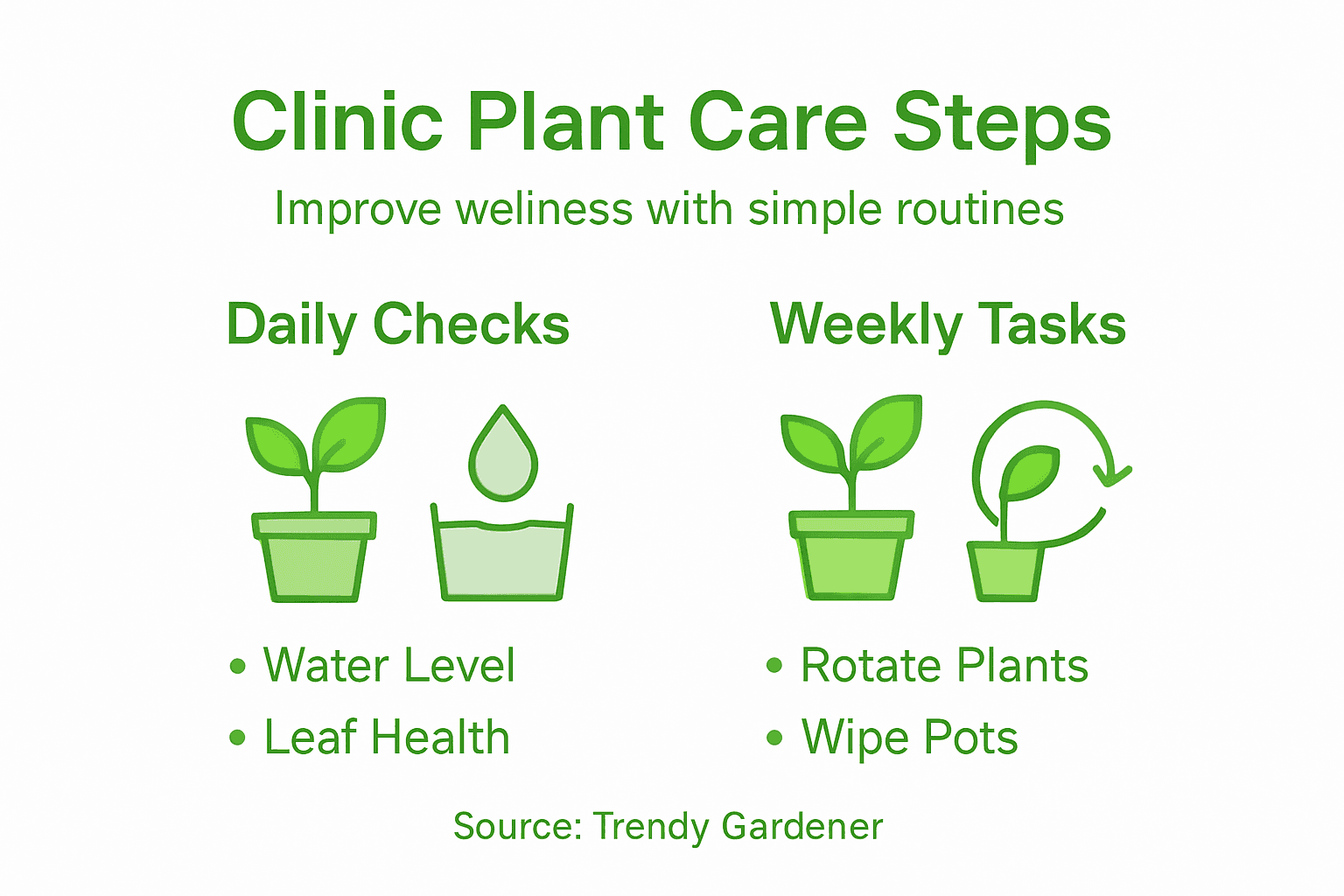
Pro tip: Develop a color-coded plant care chart that provides at-a-glance maintenance instructions for different plant species in your clinical setting.
Step 5: Monitor plant health and adjust care protocols
Sustaining indoor plant wellness in a clinical environment requires ongoing vigilance and strategic intervention. Your goal is to create a proactive monitoring system that catches potential health issues before they compromise plant vitality or patient experience.
Environmental factors directly impact indoor plant health and demand continuous assessment. Develop a comprehensive monitoring framework that encompasses multiple diagnostic dimensions:
- Visual Inspection: Check for leaf discoloration, wilting, or unusual growth patterns
- Moisture Assessment: Evaluate soil hydration and root condition
- Pest Detection: Scan for early signs of insect infestation or disease
- Growth Tracking: Document plant development and response to current care protocols
Implement a digital tracking system that allows clinical staff to log observations systematically. Use standardized forms or digital applications that enable quick, consistent documentation of plant health metrics, ensuring no critical changes go unnoticed.
Proactive plant monitoring transforms reactive maintenance into a precise, data-driven care strategy that supports both plant and patient wellness.
Establish periodic review sessions where plant care protocols are evaluated and adjusted based on collected data. This approach allows for dynamic, responsive plant management that adapts to changing environmental conditions within your clinical space.
Pro tip: Create a plant health dashboard with color-coded indicators that provide immediate visual feedback on each plant’s current status and care requirements.
Transform Your Clinic into a Healing Oasis with Expert Indoor Plant Solutions
The challenge highlighted in the “Indoor Plant Care Guide for Clinics: Enhance Patient Wellness” centers on balancing therapeutic greenery with strict infection control and maintenance demands. Clinics need plant strategies that support patient recovery, improve air quality, and maintain safety without disrupting clinical workflows. Key pain points include safe plant placement, choosing low-maintenance yet effective air-purifying plants, and implementing reliable care routines that comply with healthcare protocols.
At Trendy Gardener, we understand these unique challenges and offer comprehensive indoor plantscaping services tailored for clinical environments. From consultation and customized plant sourcing to professional installation and ongoing maintenance, our solutions ensure your clinic enjoys the benefits of biophilic design with operational reliability and expert plant care. Discover how our custom plant programs can elevate your healthcare space safely and beautifully.
Experience the difference of a living environment that nurtures both patients and staff.
Elevate your clinic’s atmosphere today.
Ready to enhance patient wellness through thoughtfully designed greenery
Visit Trendy Gardener to explore our expert indoor plant styling and maintenance services
Contact us now to start your clinic’s transformation with a tailored plant program that balances health, beauty, and safety.
Frequently Asked Questions
How can I assess my clinic for optimal indoor plant placement?
Begin by evaluating your clinic’s layout and identifying zones with minimal patient contact. Focus on areas with indirect light, proper air circulation, and easy accessibility for maintenance.
What are the best indoor plants for enhancing patient wellness in a clinic?
Select plants known for their air purification capabilities, such as Snake Plants, Peace Lilies, and Spider Plants. These options not only improve air quality but also contribute to a calming visual environment that supports patient morale.
How should I prepare clinic spaces before installing indoor plants?
Ensure that chosen plant locations adhere to infection control protocols and do not obstruct medical workflows. Collaborate with your infection control team to develop a detailed strategy, including the use of sealed containers and easy-to-clean surfaces.
What routine should I follow for watering and caring for indoor plants in my clinic?
Establish a regular schedule for checking plant moisture levels, ideally on a weekly basis, and tailor care plans to different plant species. Utilize moisture meters to maintain consistent hydration and ensure all plants receive appropriate care.
How can I monitor and maintain the health of indoor plants in my clinic?
Implement a system for regularly inspecting plants for signs of discoloration, pests, or unusual growth patterns. Track observations and adjust care routines based on plant responses to ensure they remain vibrant and healthy.
What steps can I take to involve clinic staff in plant care?
Create a designated plant care team and provide them with training on moisture management and maintenance protocols. Develop an easy-to-follow care chart that outlines specific requirements for each plant species in the clinic.