

Commercial Plantscaping: Boosting Workplace Well-Being
Every office in Greater Des Moines faces the challenge of turning sterile commercial spaces into environments that truly support employee health and productivity. With research showing that interior plantscaping can lead to improved air quality, reduced stress, and increased productivity, the value of thoughtfully designed greenery has never been clearer. Discover how tailored plantscaping solutions bring both visual appeal and measurable wellness benefits to the modern workspace, making happy, healthy teams a reality.
Table of Contents
- What Commercial Plantscaping Involves
- Major Plantscaping Types and Features
- Benefits for Workspaces and Employees
- Costs, Maintenance, and ROI Considerations
- Best Practices for Lasting Impact
Key Takeaways
| Point | Details |
|---|---|
| Commercial Plantscaping | Transforms workspaces by integrating living greenery, enhancing aesthetics and employee well-being. |
| Environmental Assessment | Careful evaluation of light, temperature, and humidity is crucial for plant selection and placement. |
| Employee Benefits | Increases productivity and psychological well-being, reducing stress and improving air quality. |
| Investment Perspective | View plantscaping as a strategic investment rather than an expense, focusing on long-term ROI and employee health. |
What Commercial Plantscaping Involves
Commercial plantscaping transforms interior environments by strategically integrating living greenery into workplace design. This specialized practice goes far beyond simply placing potted plants around an office - it’s a sophisticated approach to creating healthier, more dynamic work environments.
At its core, interior plantscaping requires meticulous plant selection and environmental assessment. Commercial spaces present unique challenges that demand careful plant species evaluation, considering critical factors like:
- Light intensity and availability
- Indoor air circulation patterns
- Temperature and humidity levels
- Maintenance accessibility
- Aesthetic design integration
Successful commercial plantscaping involves a comprehensive process that begins with thorough site evaluation. Professional designers assess the specific environmental conditions of each workspace, understanding that indoor ecosystems dramatically differ from natural outdoor environments. This means selecting plant varieties that can not only survive but thrive in controlled interior settings.
The process typically encompasses several key stages of implementation:
- Initial space analysis and environmental assessment
- Strategic plant species selection
- Design conceptualization and layout planning
- Professional installation
- Ongoing maintenance and plant health management
Plant performance in commercial settings depends on understanding microclimatic nuances. Factors like proximity to windows, air conditioning vents, and ambient light levels dramatically impact plant health and longevity.
Pro Tip: Consider working with a professional plantscaping consultant who can provide a comprehensive environmental analysis before selecting and installing interior greenery.
Major Plantscaping Types and Features
Commercial plantscaping encompasses several distinctive types designed to transform workplace environments through strategic green design. Plant selection and categorization involves understanding unique environmental requirements and aesthetic potential of different plantscaping approaches.
The major types of commercial plantscaping include:
- Large Houseplants: Dramatic floor-standing plants that create visual impact
- Indoor Gardens: Comprehensive green spaces integrated within interior layouts
- Green Walls: Vertical plant installations that maximize limited floor space
- Miniature Displays: Small, intricate arrangements like dish gardens
Each plantscaping type demands specialized considerations for successful implementation. Light requirements play a crucial role in determining plant viability, with species categorized across four primary intensity levels:
Here’s how the main types of commercial plantscaping compare:
| Plantscaping Type | Visual Impact | Ideal Locations | Maintenance Complexity |
|---|---|---|---|
| Large Houseplants | Bold, eye-catching | Lobbies, open offices | Moderate, regular pruning |
| Indoor Gardens | Immersive, lush | Atriums, lounge areas | High, specialized care |
| Green Walls | Vertical statement | Corridors, receptions | Advanced, requires irrigation |
| Miniature Displays | Subtle, decorative | Desks, meeting tables | Low, simple upkeep |
- Low light plants (ideal for interior spaces with minimal natural illumination)
- Medium light plants (suitable for spaces with indirect sunlight)
- High light plants (requiring significant natural or supplemental lighting)
- Very high light plants (demanding intense, consistent light exposure)
Environmental adaptation remains critical in commercial plantscaping. Designers must carefully evaluate factors like temperature consistency, air circulation, humidity levels, and maintenance accessibility when selecting and positioning plant installations.
Successful commercial plantscaping transforms workspaces from sterile environments into living, breathing ecosystems that support employee well-being and productivity.
Plant health depends on precise environmental management. This includes strategic container selection, sophisticated irrigation systems, and potentially supplemental lighting to ensure plants not only survive but thrive in commercial settings.
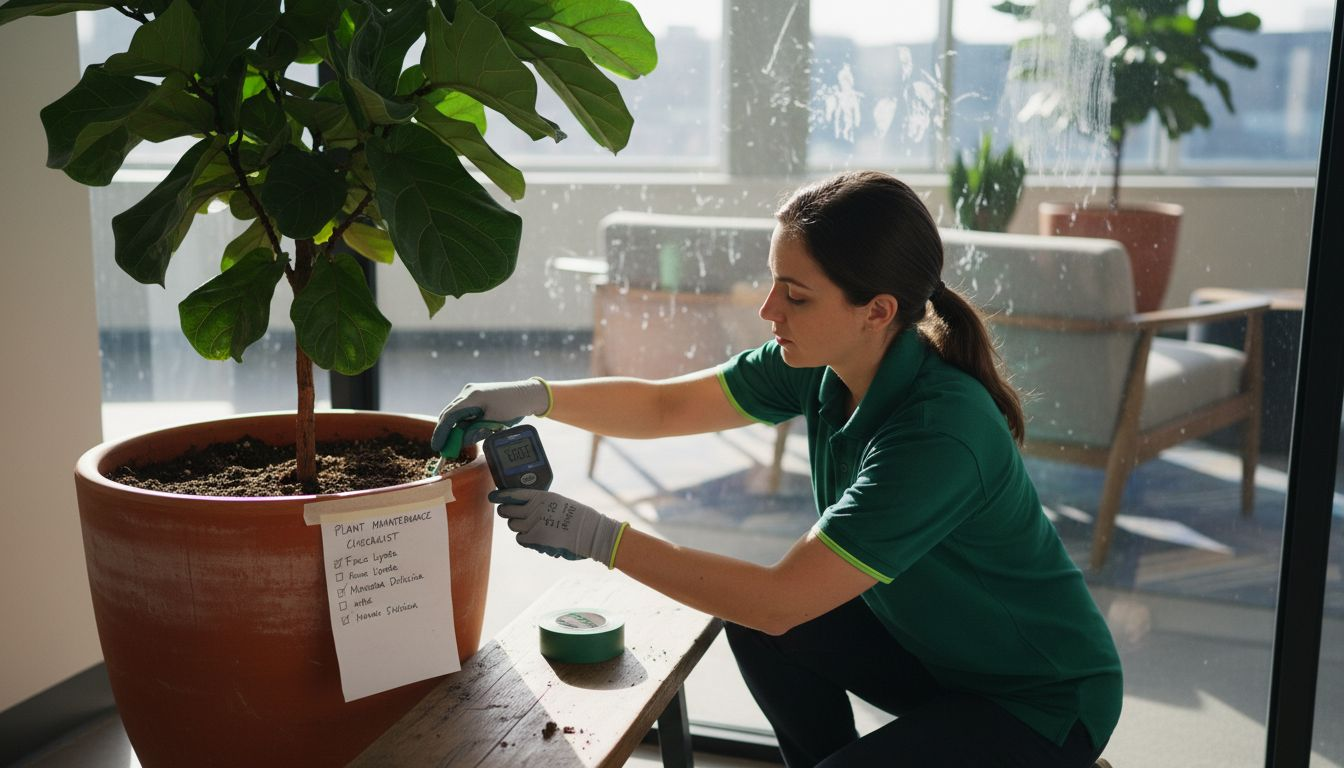
Pro Tip: Conduct a comprehensive environmental assessment of your workspace before selecting plant types to ensure optimal growing conditions and long-term plant health.
Benefits for Workspaces and Employees
Commercial plantscaping goes far beyond aesthetic enhancement, delivering substantial measurable benefits for both workspace environments and employee performance. Research in office environments demonstrates compelling evidence of plants’ transformative impact on workplace dynamics.
Key benefits for employees and workspaces include:
- Improved Air Quality: Reduces indoor pollutants and enhances respiratory health
- Stress Reduction: Creates calming environments that lower psychological tension
- Productivity Boost: Increases cognitive function and work performance
- Psychological Well-being: Supports mental health through biophilic connections
- Aesthetic Enhancement: Creates visually appealing and engaging work environments
The psychological and physiological impacts of interior plants are remarkably profound. Employees working in green environments experience demonstrable improvements in multiple dimensions of workplace experience. These benefits range from reduced mental fatigue to enhanced creative thinking and problem-solving capabilities.
Below is a summary of plantscaping’s major workplace benefits and their impact:
| Benefit | Workplace Impact | Employee Impact |
|---|---|---|
| Improved Air Quality | Healthier indoor atmosphere | Fewer respiratory complaints |
| Stress Reduction | Calmer, less tense environment | Lower anxiety, better morale |
| Aesthetic Enhancement | More appealing workspace | Increased satisfaction, pride |
| Productivity Boost | Enhanced team performance | Greater focus and creativity |
| Psychological Well-being | Supportive, pleasant atmosphere | Higher job satisfaction |
Plants are not mere decorations—they are active contributors to workplace wellness, transforming sterile spaces into dynamic, life-supporting ecosystems.
Scientific studies consistently reveal that workplace greenery delivers tangible health benefits. Employees in plant-enhanced environments report lower stress levels, faster recovery from mental exhaustion, and increased overall job satisfaction. The presence of living plants creates a more humane, nurturing workspace that supports human biological and psychological needs.
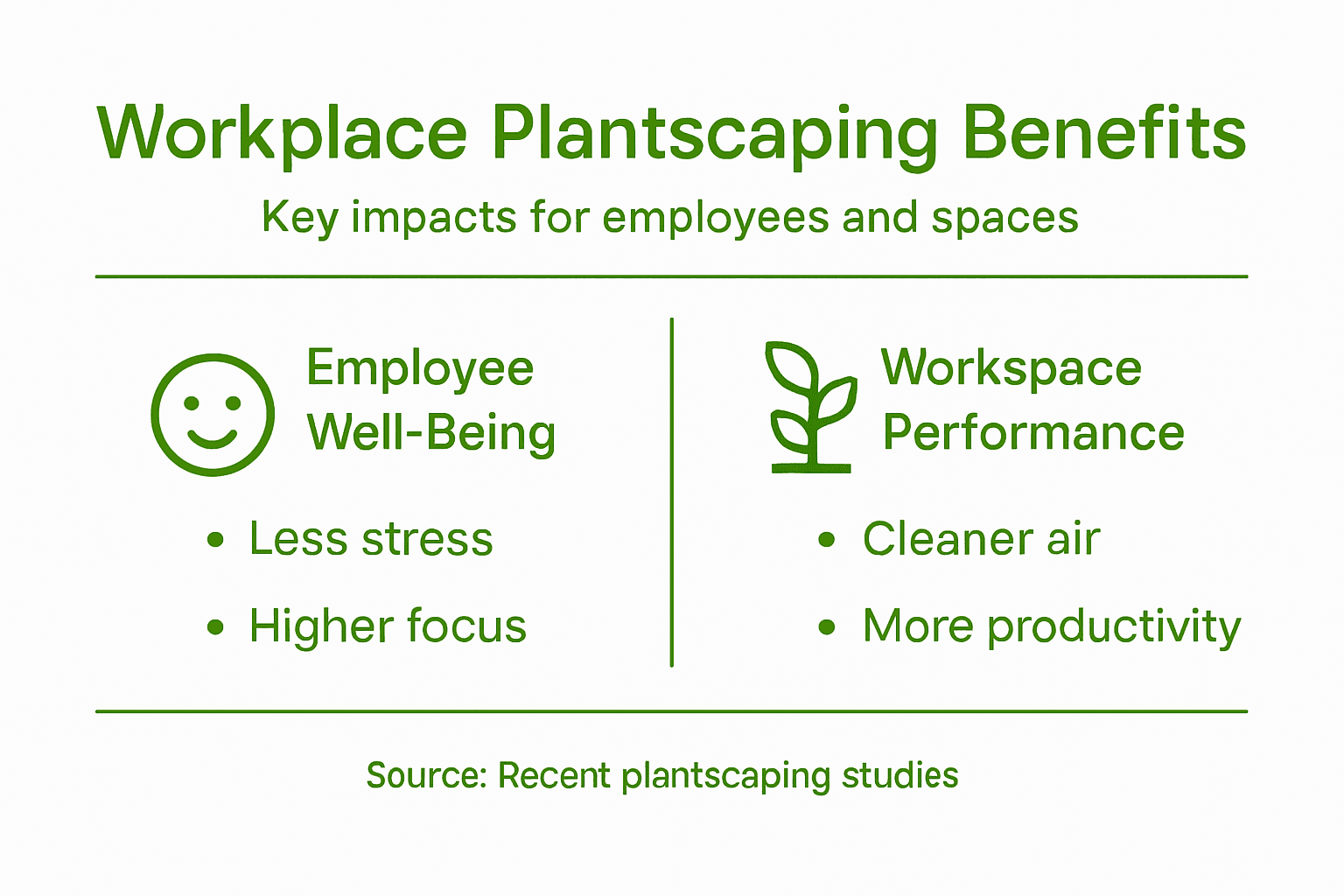
Productivity metrics show significant improvements when workplaces integrate strategic plantscaping. Some organizations have documented productivity increases of up to 15% in green-enhanced environments, demonstrating the profound connection between natural elements and human performance.
Pro Tip: Consult with professional plantscaping experts to design a tailored green strategy that matches your specific workspace requirements and employee wellness goals.
Costs, Maintenance, and ROI Considerations
Commercial plantscaping represents a strategic investment that requires careful financial planning and ongoing management. Maintenance costs and operational strategies play a critical role in determining the long-term success and sustainability of indoor plant programs.
Key maintenance and cost considerations include:
- Initial Installation Expenses: Upfront costs for plant selection and design
- Routine Care Requirements: Regular watering, pruning, and fertilization
- Replacement Costs: Periodic plant replacements due to natural lifecycle
- Environmental Management: Ongoing adjustments for lighting and climate control
- Professional Service Fees: Potential expenses for expert maintenance teams
The financial breakdown of commercial plantscaping involves multiple layers of investment. Organizations must consider not just direct costs, but also the indirect benefits such as improved employee productivity, reduced stress, and enhanced workplace aesthetics. These intangible returns can significantly offset initial and maintenance expenditures.
Successful plantscaping is about strategic investment, not just expense—viewing plants as a performance-enhancing workplace asset rather than a decorative cost.
Maintenance strategies can dramatically impact overall program efficiency. Proactive approaches like selecting hardy plant species, implementing systematic care protocols, and designing spaces with plant health in mind can minimize long-term expenses and maximize return on investment.
Typical annual maintenance costs range from $5 to $15 per square foot, depending on plant complexity and environmental conditions. However, these costs are often recoverable through demonstrated improvements in employee well-being, reduced absenteeism, and enhanced workplace productivity.
Pro Tip: Develop a comprehensive, multi-year plantscaping budget that accounts for initial installation, routine maintenance, and potential plant replacements to ensure financial predictability.
Best Practices for Lasting Impact
Commercial plantscaping demands strategic planning and expert execution to create sustainable, thriving indoor environments. Interior plantscaping best practices emphasize early collaboration and comprehensive design considerations.
Key best practices for successful implementation include:
- Early Professional Involvement: Engage plantscaping experts during initial design phases
- Species Selection: Choose plants specifically adapted to indoor environments
- Environmental Optimization: Design spaces supporting plant health and growth
- Systematic Maintenance: Develop consistent care and monitoring protocols
- Flexible Design Approach: Allow for seasonal and environmental adjustments
Successful plantscaping requires understanding each plant’s unique requirements and creating microenvironments that support their long-term health. This involves carefully considering factors like light exposure, humidity levels, temperature ranges, and potential seasonal variations.
Sustainable plantscaping is not about installing plants, but creating living ecosystems that evolve and thrive within workplace environments.
Acclimatization strategies play a crucial role in plant survival and performance. Professionals recommend gradual adaptation techniques that help plants transition smoothly from greenhouse or nursery conditions to specific indoor settings, reducing stress and increasing longevity.
Implementing supplemental lighting, managing air circulation, and selecting containers that support root health are additional critical considerations. Organizations should view plantscaping as a dynamic, ongoing process requiring continuous learning and adaptive management.
Pro Tip: Create a detailed plant care manual specific to your workspace, documenting unique environmental conditions, individual plant requirements, and maintenance schedules.
Elevate Your Workspace with Expert Commercial Plantscaping Solutions
The challenge of creating thriving indoor ecosystems that boost employee well-being and productivity requires more than just adding plants. From meticulous environmental assessment to ongoing maintenance, commercial plantscaping demands expert care and design that supports long-term plant health and maximizes benefits like air quality improvement and stress reduction. If you want to transform your workspace into a vibrant, life-enhancing environment that looks exceptional on day one and stays that way, professional support is essential.
Discover how Trendy Gardener can partner with you to deliver tailored biophilic design and comprehensive interior plantscaping programs. Whether you need bespoke living walls, expertly designed green walls, or scalable plant leasing with expert maintenance, our team ensures every element fits your unique workspace needs. Start planning today to harness the proven workplace benefits of commercial plantscaping and create a healthier, more engaging environment. Explore how we bring this vision to life with end-to-end service at Trendy Gardener.
Take the next step toward a workspace that truly supports your team’s well-being and productivity by connecting with expert designers and plant care specialists who understand your plantscaping goals and challenges.
Frequently Asked Questions
What is commercial plantscaping?
Commercial plantscaping involves integrating living greenery into workplace design to create healthier and more dynamic work environments. It requires meticulous plant selection and environmental assessment tailored to specific commercial spaces.
How does commercial plantscaping benefit employees?
Commercial plantscaping improves air quality, reduces stress, boosts productivity, supports psychological well-being, and enhances the aesthetic appeal of the workspace, ultimately leading to higher employee satisfaction and performance.
What are the main types of commercial plantscaping?
The major types of commercial plantscaping include large houseplants, indoor gardens, green walls, and miniature displays. Each type has unique visual impacts and maintenance requirements.
What should be considered for successful plantscaping in commercial spaces?
Successful plantscaping requires careful evaluation of environmental factors like light availability, air circulation, temperature, and humidity. Additionally, ongoing maintenance and plant health management are crucial for the long-term success of the plantscaping project.
Recommended
- Modern Planters impact on Workplace Productivity and Wellbeing
- Green Interiors impact on Workplace Productivity and Wellness
- Workspace Productivity with the Benefits of Live Plants
- The Power of Office Plants: Enhance Your Workspace with Nature’s Touch
- Marble Stone Planter | Solid Stone Pot with Metal Rim | Indoor Flower Pot – Marmorique