

Role of Indoor Plants in Wellness-Focused Design
Stepping into a space filled with thriving greenery instantly feels different—there is a quiet sense of calm that simple décor cannot provide. For wellness-focused designers in the Greater Des Moines area, integrating indoor plants becomes more than a visual choice. Research shows that indoor plants not only reduce stress but also improve air quality, supporting both emotional balance and physical health. Discover how thoughtful plant selections can transform interiors into restorative environments that promote genuine well-being.
Table of Contents
- How Indoor Plants Enhance Wellness
- Popular Plant Types For Health Benefits
- Biophilic Design Principles In Interiors
- Evidence-Based Benefits For Productivity
- Key Challenges And Maintenance Strategies
Key Takeaways
| Point | Details |
|---|---|
| Indoor Plants Enhance Wellness | Incorporating indoor plants significantly improves air quality, reduces stress, and enhances cognitive function. |
| Biophilic Design Principles | Utilize natural elements and design approaches to reconnect interiors with nature for improved psychological well-being. |
| Productivity Benefits | Strategically placed plants in workspaces can enhance creativity, reduce stress, and boost overall employee productivity. |
| Maintenance is Key | Regular monitoring of plant health and environmental conditions is essential for sustaining the wellness benefits of indoor plants. |
How Indoor Plants Enhance Wellness
Indoor plants transform living spaces beyond mere decoration, offering profound wellness benefits through physiological and psychological mechanisms. By creating connections with nature, these green companions dramatically improve human health and emotional well-being.
Research demonstrates that indoor plants provide multiple wellness advantages, including reducing stress and improving air quality. They interact with our environment in scientifically measurable ways, triggering positive neurological and physical responses that enhance overall human performance and comfort.
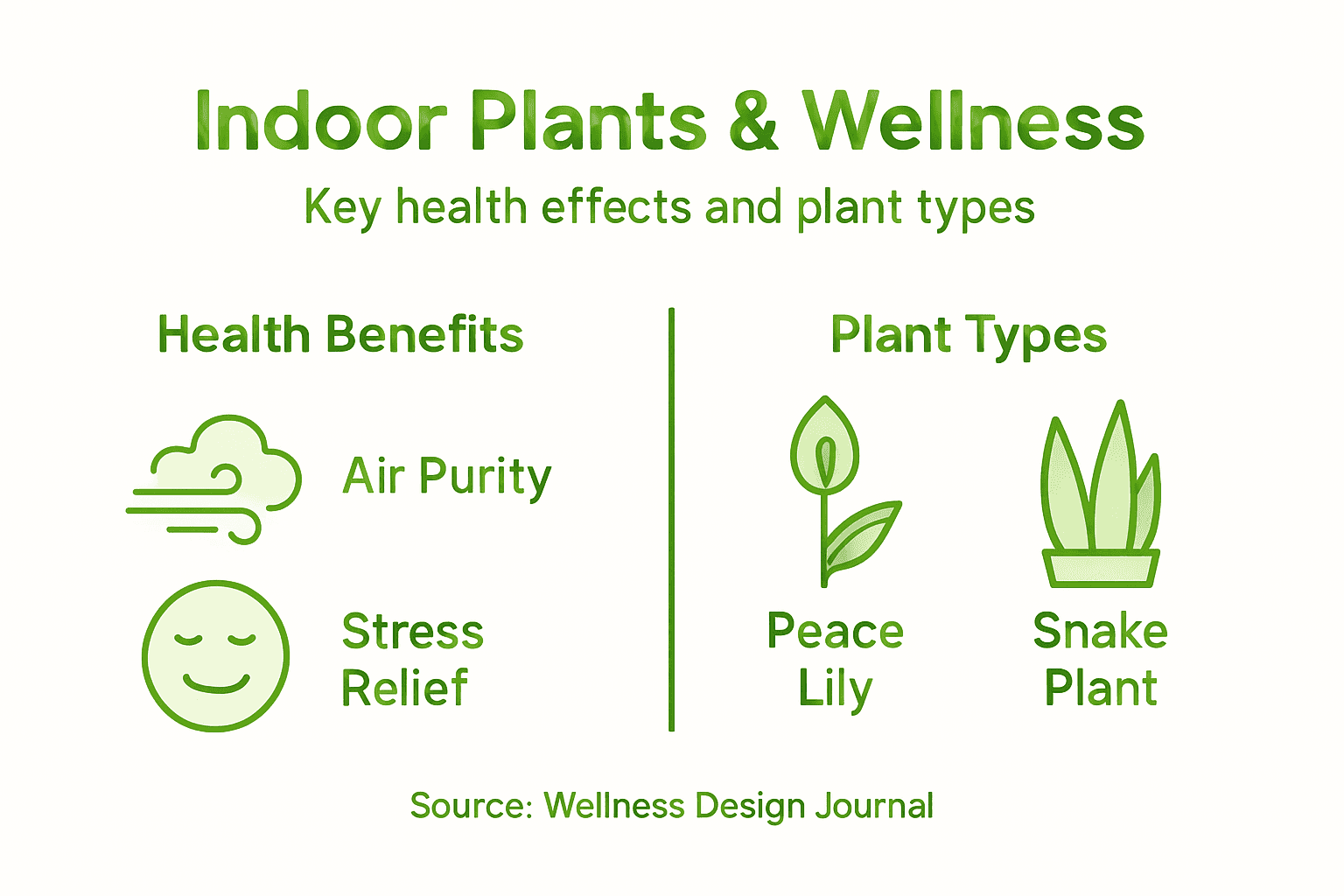
Specifically, indoor plants contribute to wellness through several key pathways:
- Air Purification: Naturally filter toxins and increase oxygen levels
- Stress Reduction: Lower cortisol and promote relaxation
- Cognitive Enhancement: Improve focus and mental clarity
- Emotional Regulation: Boost mood and decrease anxiety symptoms
Indoor green spaces significantly impact human health, creating environments that support both mental and physical restoration. The presence of plants triggers innate human responses connected to our evolutionary relationship with natural environments, activating calming neural pathways.
Pro tip: Select plants strategically by considering both aesthetic appeal and specific wellness attributes for maximum indoor environmental benefits.
Popular Plant Types for Health Benefits
Wellness-focused interior design increasingly recognizes the powerful health benefits of specific indoor plant varieties. Indoor plant selection plays a critical role in creating environments that support physical and mental well-being through natural air purification and stress reduction.
Some of the most beneficial indoor plants for wellness include:
- Peace Lily: Excellent air purifier, reduces indoor pollutants
- Snake Plant: Releases oxygen at night, supports better sleep
- Aloe Vera: Medicinal properties, air-filtering capabilities
- Spider Plant: Removes formaldehyde and xylene from indoor environments
- Boston Fern: Increases humidity, reduces airborne toxins
Specific plant types offer unique health-supporting compounds, with each variety contributing differently to indoor wellness. Herbs like basil and mint not only provide aesthetic value but also deliver additional therapeutic benefits through their natural compounds and aromatic properties.
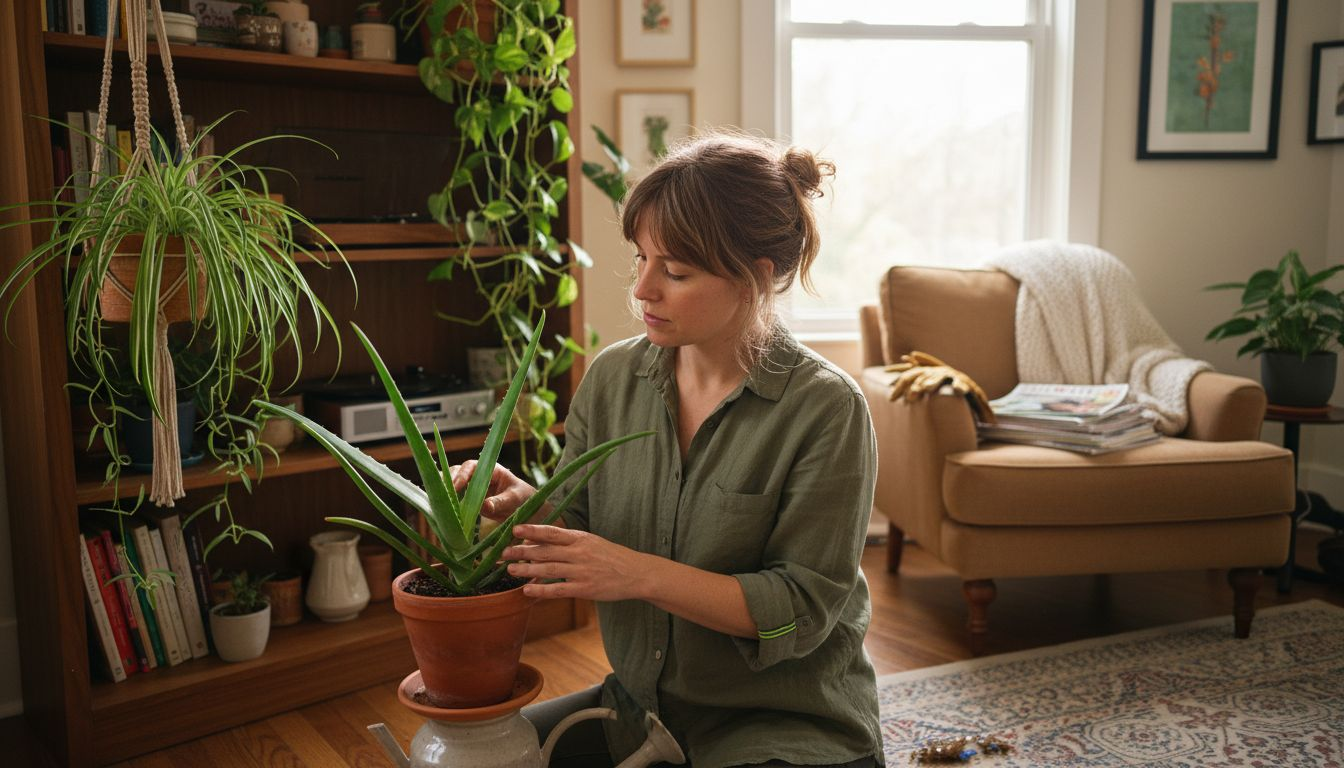
Interior designers and wellness experts increasingly recommend incorporating these plants strategically, considering both their visual appeal and documented health advantages. The right plant selection can transform living spaces into healing environments that support mental clarity, respiratory health, and emotional balance.
Here is a comparison of popular indoor plants and their unique wellness benefits:
| Plant Type | Primary Benefit | Additional Attribute |
|---|---|---|
| Peace Lily | Removes indoor pollutants | Attractive white blooms |
| Snake Plant | Releases oxygen overnight | Thrives in low light |
| Aloe Vera | Supports skin healing | Air filters and easy upkeep |
| Spider Plant | Reduces chemical toxins | Resilient for beginners |
| Boston Fern | Increases indoor humidity | Luxuriant green foliage |
Pro tip: Consider rotating plant types seasonally to maximize diverse health benefits and maintain optimal indoor environmental quality.
Biophilic Design Principles in Interiors
Biophilic design transforms interior spaces by integrating natural elements that fundamentally reconnect human environments with the healing power of nature. This design philosophy goes beyond aesthetic considerations, focusing on creating spaces that actively support human physical and psychological well-being through intentional environmental interactions.
Key principles of biophilic design include:
- Direct Nature Connection: Incorporating living plants, natural light, and water features
- Organic Materials: Using wood, stone, and other natural textures
- Natural Patterns: Integrating fractal geometries and biomimetic design elements
- Sensory Engagement: Creating environments that stimulate multiple human senses
- Visual Complexity: Designing spaces with rich, layered natural visual experiences
Environmental design research consistently demonstrates that these principles significantly improve occupant health, reducing stress and enhancing cognitive performance. The approach recognizes that humans have an innate biological connection to natural environments, which can be deliberately reconstructed within interior spaces.
Successful biophilic design requires a holistic understanding of how natural elements interact with human psychology. Designers must carefully balance visual aesthetics, functional requirements, and the subtle neurological responses triggered by natural environmental cues.
Pro tip: Incorporate at least three biophilic elements in each interior space to create a comprehensive wellness-focused environment.
Evidence-Based Benefits for Productivity
Indoor plant research reveals significant workplace productivity improvements that extend far beyond traditional design considerations. Scientific studies demonstrate that strategically placed plants can transform work environments, directly impacting employee performance and cognitive capabilities.
Key productivity benefits of indoor plants include:
- Enhanced Creativity: Boosting idea generation and problem-solving skills
- Stress Reduction: Lowering workplace psychological strain
- Cognitive Performance: Improving mental focus and concentration
- Psychological Well-being: Creating more positive and engaging work environments
- Innovation Potential: Stimulating mental flexibility and adaptive thinking
Scientific studies consistently confirm that workplace environments with natural elements can significantly improve employee output. Researchers have observed that men generate approximately 15% more creative ideas, while women demonstrate increased cognitive flexibility when surrounded by plant life.
These findings underscore the profound connection between natural elements and human cognitive performance. By integrating plants into workspace design, organizations can create environments that naturally support employee potential, creativity, and overall productivity.
Pro tip: Position plants strategically near workstations and collaborative areas to maximize their cognitive and creative enhancement potential.
Key Challenges and Maintenance Strategies
Indoor plant maintenance requires strategic pest management and comprehensive environmental monitoring. Successfully integrating plants into wellness-focused design demands more than aesthetic selection—it requires ongoing commitment to plant health and environmental optimization.
Primary challenges in indoor plant maintenance include:
- Pest Control: Preventing and managing insect infestations
- Water Stress: Maintaining appropriate hydration levels
- Light Management: Ensuring sufficient and consistent illumination
- Humidity Regulation: Balancing indoor moisture conditions
- Nutrient Monitoring: Providing consistent and appropriate plant nutrition
Drought stress significantly impacts plant health, affecting both morphological and physiological functions. Successful indoor plant programs must develop comprehensive strategies that address environmental variables and potential stress factors proactively.
Integrated Pest Management (IPM) principles recommend a holistic approach to plant care, emphasizing prevention, careful monitoring, and minimal intervention. This approach ensures plant longevity while maintaining the aesthetic and wellness benefits of indoor greenery.
Below is a summary of common indoor plant maintenance challenges and proactive care strategies:
| Challenge | Preventive Action | Potential Impact if Ignored |
|---|---|---|
| Pest infestations | Regular inspection, clean leaves | Infested plants, indoor spread |
| Water imbalance | Monitor soil moisture weekly | Wilting or root rot |
| Insufficient light | Place near windows or add grow lights | Weak growth, leaf discoloration |
| Low humidity | Use humidifiers, mist plants | Dry tips, browning foliage |
| Poor nutrition | Schedule slow-release fertilizer | Stunted growth, yellowing leaves |
Pro tip: Create a dedicated maintenance schedule that includes weekly plant inspections and precise environmental tracking to prevent potential health issues.
Transform Your Space with Wellness-Focused Indoor Plants
The article highlights challenges like maintaining plant health, managing pests, and creating environments that truly support mental and physical well-being through indoor greenery. If you want to overcome these pain points with expertly selected, maintained, and styled indoor plants that boost air quality, reduce stress, and enhance productivity, Trendy Gardener is here to help. We specialize in bringing biophilic design principles to life with bespoke living walls, custom moss installations, and plant leasing programs tailored for both residential and commercial spaces.
Experience the power of nature in your environment with Trendy Gardener We deliver complete plant programs from consultation to ongoing care, ensuring your indoor plants thrive and provide continuous wellness benefits. Ready to elevate your space with intentional design and expert plant care It is time to visit our website and discover how to get started today. Explore our range of services and transform your environment into a living oasis with indoor plant styling and staging and bespoke installations.
Frequently Asked Questions
What are the wellness benefits of indoor plants?
Indoor plants provide various wellness benefits, including air purification, stress reduction, cognitive enhancement, and emotional regulation. They can lower cortisol levels, improve air quality, and boost mood and mental clarity.
Which indoor plants are best for enhancing wellness?
Some of the best indoor plants for wellness include Peace Lilies, Snake Plants, Aloe Vera, Spider Plants, and Boston Ferns. Each has unique benefits, like air purification or improving humidity levels.
How do biophilic design principles contribute to wellness?
Biophilic design principles, such as direct nature connection and sensory engagement, help create environments that promote human well-being by reducing stress and enhancing cognitive performance through the integration of natural elements.
What are common challenges in maintaining indoor plants?
Common challenges include pest control, watering issues, light management, humidity regulation, and nutrient supply. Addressing these proactively can ensure healthier plants and maintain their wellness benefits.