

What Is Interior Plantscaping? Workplace Benefits & Des Moines Services | Trendy Gardener
Interior Plantscaping in Des Moines: What It Is, Workplace Benefits, and Expert Services by Trendy Gardener
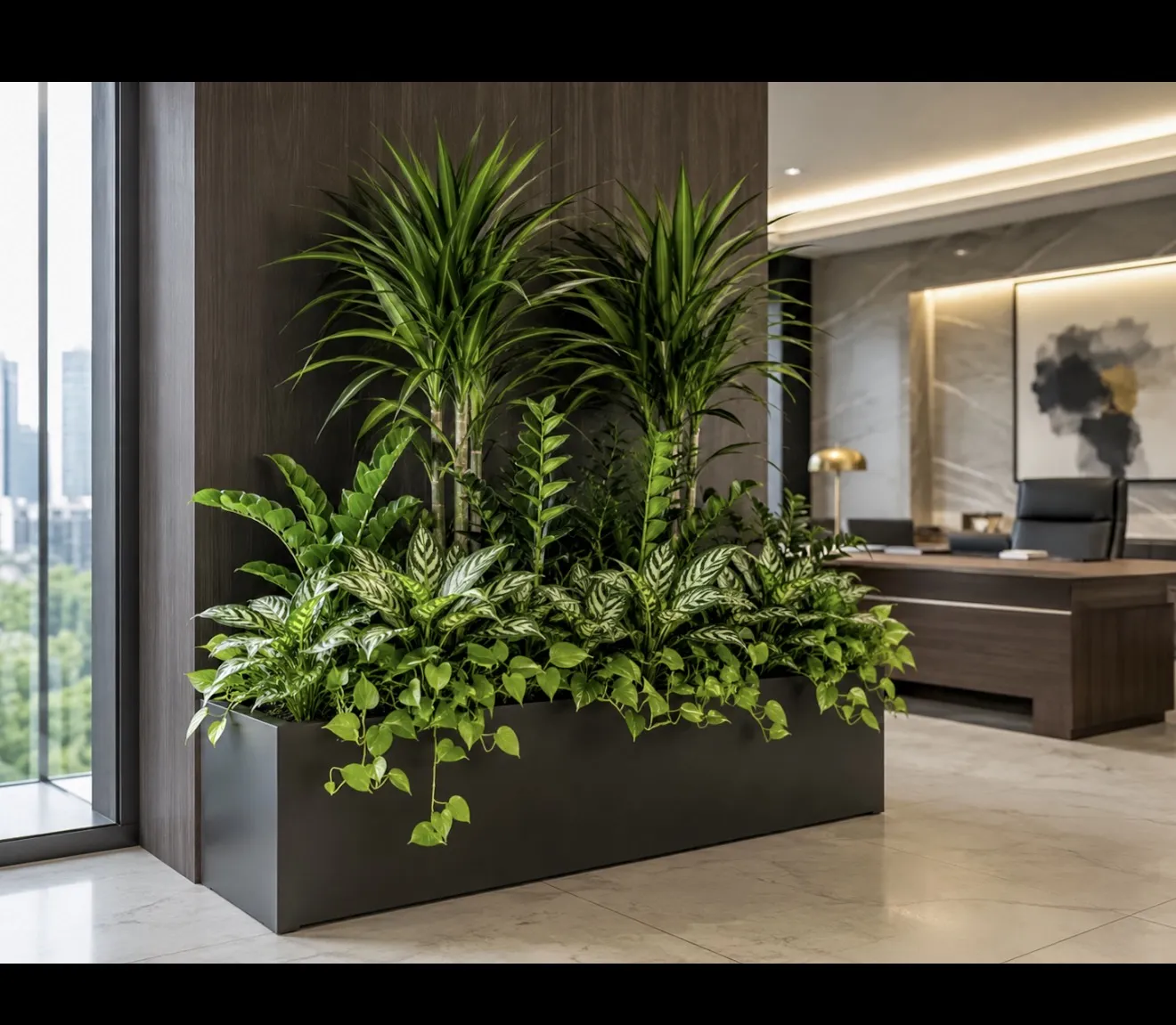
By Hunter Frescoln, Trendy Gardener
Interior plantscaping is transforming spaces by integrating nature into indoor environments, which significantly enhances aesthetic appeal and functionality. This approach involves designing green spaces within interiors, utilizing various plants to improve air quality and boost overall well-being. In the context of workplaces, which often suffer from sterile environments, interior plantscaping provides a refreshing solution that cultivates a connection to nature while promoting health and productivity. This article explores the definition of interior plantscaping, its benefits in the workplace, and the expert services offered by Trendy Gardener in Des Moines, shedding light on how incorporating greenery can revitalize your indoor spaces.
Interior Plantscaping: Definition and Benefits
Interior plantscaping refers to the strategic placement of plants and greenery within an indoor space to create a harmonious atmosphere and enhance environmental aesthetics. This practice not only addresses visual appeal but also fosters numerous benefits, from improved air quality to psychological upliftment. By integrating living plants into environments, businesses can enhance employee morale and contribute to a more sustainable, health-conscious workspace.
Plants in interior spaces improve air quality by absorbing toxins and releasing oxygen, which is crucial for maintaining a healthy indoor environment. Additionally, they provide calming effects that can reduce stress and anxiety, improving overall employee wellness. Therefore, understanding the benefits of interior plantscaping is essential for organizations looking to enhance their workplace environment and culture.
Indoor Plants Improve Well-being and Air Quality in Workplaces
The inclusion of indoor plants has been shown to benefit both the physical well-being of a person depends on many factors but the indoor environment, including the indoor air quality, appears to play a crucial role. The inclusion of indoor plants has been shown to benefit both the physical and psychological well-being of building occupants, as plants modify their immediate indoor environment and evoke a restorative psychological response. The appearance of indoor plants and their effect on people's perceptions of indoor air quality and subjective well-being, E Essah, 2022
This citation reinforces the dual benefits of indoor plants on both physical and psychological well-being, highlighting their role in modifying the indoor environment and evoking restorative responses.
Expert Services from Trendy Gardener in Des Moines
Trendy Gardener specializes in comprehensive interior plantscaping services tailored to the unique needs of businesses in Des Moines. They offer a variety of options, including plant selection, installation, and ongoing maintenance, ensuring that your indoor green spaces remain healthy and vibrant. Their knowledgeable team is dedicated to creating bespoke plantscaping solutions that enhance your workplace's aesthetic and functional attributes.
Whether you seek to incorporate indoor plants through living walls or simple potted arrangements, Trendy Gardener provides valuable insights on plant types and arrangements that thrive in your office's specific environment. Their commitment to tailored services distinguishes them as a leader in the industry, especially in Des Moines where sustainable practices are becoming increasingly vital.
What Is Interior Plantscaping and How Does It Enhance Indoor Environments?
Interior plantscaping is not merely about placing plants in a room; it involves strategic planning to optimize the benefits they provide. By thoughtfully arranging greenery, companies can enhance the overall aesthetic of these spaces, making them more inviting and user-friendly. Improved air quality is one of the prominent advantages of this practice, as plants can filter harmful pollutants and increase oxygen levels, contributing to a healthier indoor environment.
Indoor Plantscaping for Enhanced Office Environmental Quality
This paper examines the indoor environmental quality benefits of plants in offices by undertaking trials using live plants that were routinely maintained over a period of trials of indoor plants in offices, where indoor air quality was monitored in order to investigate the efficacy of the plants to remove Volatile Organic Compounds.
Healthy workplaces: plantscaping for indoor environmental quality, A Smith, 2011
This research supports the claim that interior plantscaping significantly enhances indoor environmental quality by effectively removing harmful volatile organic compounds.
Additionally, the incorporation of plants creates a visually appealing and calming atmosphere, which can influence mood positively and increase worker satisfaction. A well-executed plantscaping strategy contributes to both the physical health of employees and the psychological benefits associated with being near nature, ultimately leading to a more productive workplace.
How Does Interior Plantscaping Integrate Biophilic Design Principles?
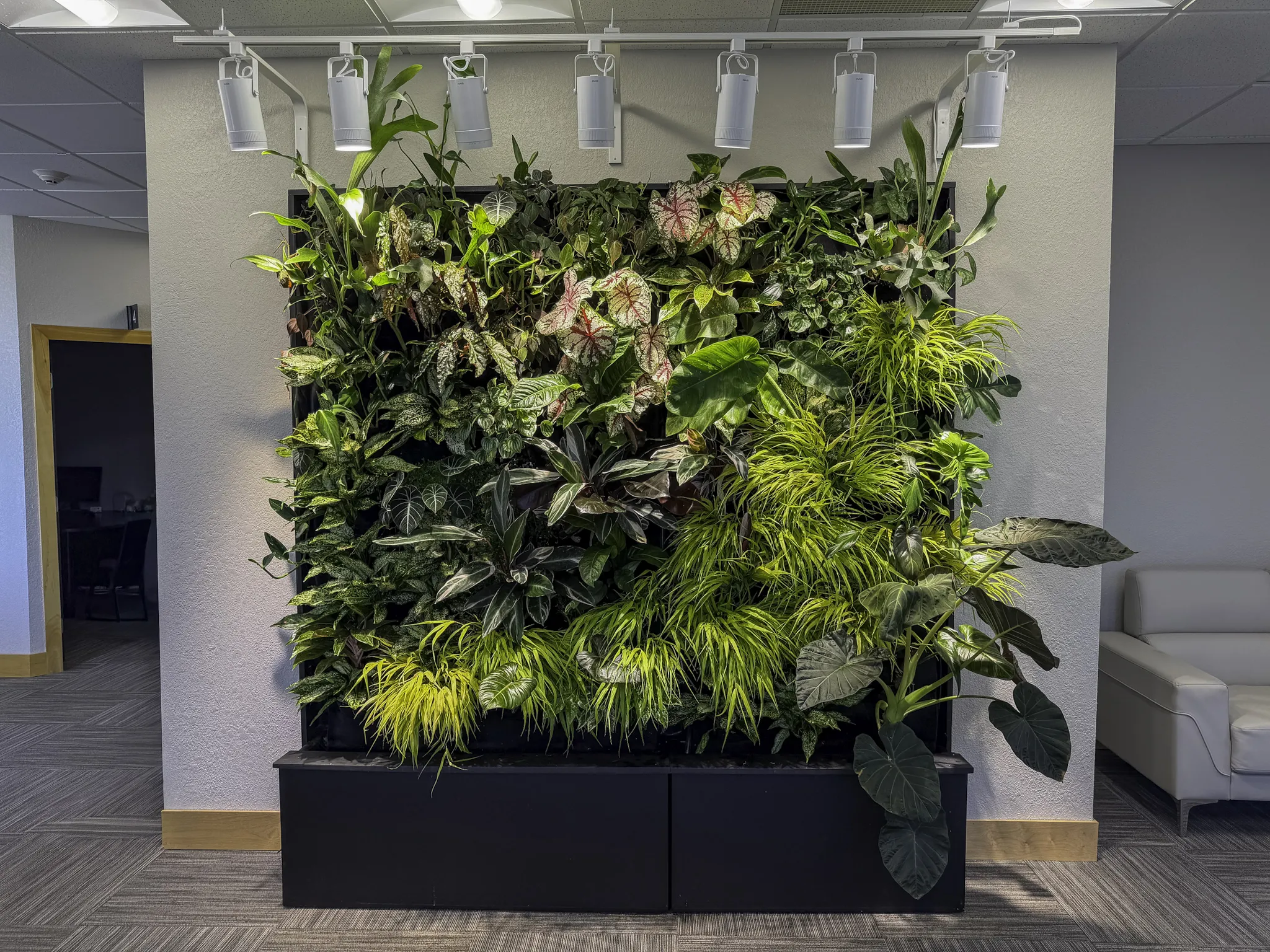
Biophilic design principles are based on the human affinity for nature and the instinct to connect with the natural world. By implementing these principles through interior plantscaping, spaces become more than just functional; they foster a sense of well-being and connection to nature. This method encourages indirect and direct nature contact, which has been shown to reduce stress levels and enhance focus among individuals.
Biophilic Design for Workplace Health and Productivity
This study aims to investigate the impact of biophilic design on occupational health and productivity, with a particular focus on addressing the needs of diverse populations, including the neurodiverse, during the post-pandemic return to work. Grounded in the concept that humans possess an inherent inclination to affiliate with nature, the biophilic design integrates natural elements and art into the built environment.
Neuroinclusive workplaces and biophilic design: Strategies for promoting occupational health and sustainability in smart cities, J Hutson, 2023
This study further emphasizes how biophilic design, integral to interior plantscaping, significantly impacts occupational health and productivity by integrating natural elements into the built environment.
Regular exposure to greenery can spark creativity and increase productivity in workplaces, making biophilic design an essential consideration for modern office layouts. Furthermore, effective plantscaping considers ongoing maintenance, ensuring that plants are cared for in a way that sustains their health and vibrancy over time.
Which Types of Plants and Features Are Common in Interior Plantscaping?
When considering interior plantscaping, a variety of plants can be chosen based on their adaptability to indoor conditions. Common choices include:
- Snake Plant: Known for its air-purifying abilities, it's low-maintenance and thrives in low light.
- Pothos: This trailing vine is perfect for hanging baskets and is easy to propagate.
- Peace Lily: Valued for its beautiful flowers, it also improves indoor air quality.
In addition to these plants, features such as living walls and decorative planters can greatly enhance the visual appeal of office spaces. These elements not only serve aesthetic purposes but also contribute to the biological and psychological health of employees.
What Are the Proven Workplace Benefits of Interior Plantscaping?
Numerous studies have documented the benefits of incorporating plants into workplace settings. Key benefits include:
- Enhanced Mood: Employees surrounded by greenery often report elevated mood levels due to the calming effects of plants.
- Increased Productivity: Workspaces with plants have shown a decrease in absenteeism and an increase in worker output.
- Improved Air Quality: Plants like spider plants and rubber trees can effectively purify indoor air, reducing the incidence of respiratory issues.
These factors collectively illustrate how interior plantscaping can create a more favorable workspace. The investment in greenery extends beyond aesthetics, encompassing genuine enhancements to employee health and company morale.
How Does Interior Plantscaping Improve Air Quality and Employee Wellness?
Air quality has direct implications on employee wellness. Interior plants act as natural air filters, absorbing harmful chemicals like formaldehyde and benzene. This filtration process is essential in modern office environments, which can often be plagued by indoor air pollution due to the use of synthetic materials and lack of ventilation.
Furthermore, by reducing levels of stress and increasing perceived comfort, plants play an essential role in enhancing overall employee wellness. Regular exposure to greenery can lower blood pressure and promote relaxation, contributing to a healthier workforce. Consequently, integrating plants into the workplace is not merely an aesthetic choice; it is an investment in the well-being and satisfaction of employees.
What Productivity Enhancements Result from Workplace Greenery?
Incorporating greenery into workplace environments has been associated with significant productivity enhancements. Studies have revealed that employees working in plant-enhanced spaces are more engaged and motivated, which leads to improved performance:
- Focus Improvement: Natural elements help maintain concentration over extended periods, enabling employees to tackle tasks more efficiently.
- Creativity Boost: Being around plants fosters imaginative thinking, allowing for greater innovation.
- Reduction in Sick Leave: Healthier environments lead to fewer respiratory illnesses among staff, which minimizes absenteeism and boosts productivity.
These enhancements underline the critical importance of strategic interior plantscaping as a viable solution for improving workplace effectiveness.
Which Interior Plantscaping Services Does Trendy Gardener Offer in Des Moines?
Trendy Gardener offers a comprehensive array of interior plantscaping services specifically designed to meet the needs of Des Moines businesses. These services include:
- Consultation and Design: Collaborating with clients to design bespoke plantscaping solutions that cater to unique space requirements.
- Installation Services: Professional installation of plants and greenery to ensure optimal placement and visibility.
- Ongoing Maintenance: Regular care and upkeep to guarantee that plants remain healthy and vibrant, which includes watering, pruning, and seasonal plant rotation.
These tailored services ensure that businesses can enjoy the benefits of greenery without worrying about the logistics of care and maintenance.
What Consultation and Design Services Ensure Tailored Plant Solutions?
The consultation and design phase is integral to successful interior plantscaping. Trendy Gardener employs experienced horticulturists who work closely with clients to assess their specific needs and constraints. This involves:
- Space Assessment: Evaluating the indoor environment to determine the types of plants that will thrive.
- Aesthetic Planning: Designing a layout that maximizes visual appeal while considering factors like light, space layout, and employee experiences.
- Sustainability Focus: Selecting plants that not only align with the aesthetic vision but also contribute positively to the environment.
This careful planning lays the groundwork for a successful plantscaping project that enhances the aesthetic and health of any indoor environment.
How Are Installation and Ongoing Maintenance Managed for Optimal Performance?
Effective installation and ongoing maintenance are key to the longevity of any interior plantscaping project. Trendy Gardener utilizes a structured approach:
- Professional Installation: Skilled teams ensure plants are placed correctly for optimal growth based on light and space conditions.
- Scheduled Maintenance: Regular maintenance contracts provide business clients with peace of mind, knowing that their plants are being cared for properly.
- Performance Monitoring: Continuous monitoring of plant health is undertaken, allowing for adjustments to be made as necessary to ensure the plants thrive.
This structured management approach helps maintain the beauty and health of plants, ensuring that interior gardens flourish and benefit all those within the space.
How Do Commercial and Corporate Plantscaping Solutions Support Business Needs?
Commercial plantscaping solutions are specifically designed to cater to the unique demands of office environments. They support business needs by:
- Creating Welcoming Spaces: Well-designed green areas can impress clients and create a positive first impression.
- Enhancing Employee Health: Greener environments contribute to fewer health-related absences, which ultimately supports business continuity.
- Aiding Team Morale: Engaging with plants has a tangible effect on team spirit and overall employee satisfaction.
By addressing these aspects, interior plantscaping transforms workplaces into vibrant, productive environments conducive to success.
What Are the Features of Corporate Plantscape Maintenance in Des Moines?
The maintenance of corporate plantscapes includes a range of services tailored to commercial needs. Key features include:
- Routine Care: Regular schedules for watering, feeding, and pruning, ensuring plants remain healthy year-round.
- Health Monitoring: Professional assessment of plant conditions to preemptively address any health issues.
- Seasonal Adjustments: Adapting the plantscape according to seasonal changes, including plant rotation to match seasonal aesthetics and health.
Such maintenance is vital to ensuring sustained benefits from the plantscape and provides clients with assurance that their investments are protected.
How Are Design-Led Greenery Solutions Tailored to Commercial Architecture?
Design-led greenery solutions consider the architectural context of the building to ensure seamless integration. This includes:
- Architectural Harmony: Aligning plant arrangements with the building's design to create a cohesive look.
- Functional Enhancement: Using plants strategically to divide spaces, improve acoustics, or guide movement through the environment.
- Sustainable Practices: Implementing practices that support both the environment and the aesthetic appeal of the architecture.
Such thoughtful integration makes the indoor environment not only more beautiful but also significantly more functional for its users.
Which Plants Are Best Suited for Interior Plantscaping in Des Moines Environments?
Selecting the right plants is crucial for successful interior plantscaping. For Des Moines environments, suitable plants include:
- ZZ Plant: Known for its resilience to low light and infrequent watering.
- Ficus Benjamina: Beautiful for its glossy leaves, thriving in bright, indirect sunlight.
- Philodendron: Versatile and adaptable, perfect for adding greenery in various lighting conditions.
These plants are ideal for indoor environments, offering both visual appeal and resilience to varying indoor conditions.
What Sustainable and Low-Maintenance Plants Thrive Indoors?
Sustainable and low-maintenance plants are perfect for busy office environments. Examples include:
- Cast Iron Plant: Nearly indestructible, requiring minimal care.
- Spider Plant: Excellent air purifiers that thrive in a variety of conditions.
- Aloe Vera: Requires little water while providing health benefits through its soothing gel.
Choosing these types of plants ensures an eco-friendly approach that contributes to corporate sustainability efforts, making them ideal for businesses looking to minimize their environmental impact.
How Does Plant Selection Impact Longevity and Aesthetic Appeal?
The selection of plants significantly influences both their longevity and the overall aesthetic of the space. Important factors include:
- Environmental Suitability: Choosing plants that match the available light and humidity levels ensures longevity.
- Aesthetic Cohesion: Selecting a variety of plants with complementary colors and textures enhances visual appeal.
- Practical Longevity: Plants with similar care requirements allow for easier maintenance and care.
Careful consideration in plant selection creates a lasting and visually stunning interior landscape.
Where Can Des Moines Clients Find More Information and Request Plantscaping Services?
Clients interested in interior plantscaping services can find comprehensive information through Trendy Gardener. They offer detailed insights on designing, installing, and maintaining an indoor green environment. Interested parties can contact Trendy Gardener to discuss tailored options to meet their specific needs, ensuring that they can fully benefit from the advantages of interior plantscaping.
How Can Property Managers Benefit from Trendy Gardener’s Service Offerings?
Property managers can greatly enhance the appeal of their buildings by integrating professional plantscaping services. Benefits include:
- Visual Appeal: Improving the aesthetic appeal of properties attracts potential tenants and clients.
- Health Benefits: Contributing to tenant wellness through improved air quality and natural beauty.
- Increased Property Value: Well-maintained greenery can significantly raise the property’s market value.
By partnering with Trendy Gardener, property managers gain access to expertise that elevates their properties above the competition.
What Are the Next Steps to Schedule a Consultation or Maintenance Plan?
To schedule a consultation or maintenance plan, interested clients can reach out directly to Trendy Gardener to discuss their unique requirements. The process involves an initial consultation to assess the needs, followed by tailored solutions suited to each client’s specific environment. This proactive approach enables clients to easily integrate interior plantscaping into their workplaces and maintain the health and beauty of their green spaces over time.