

Best indoor plants for wellness clinics in 2026
Selecting the right indoor plants for your wellness clinic requires balancing health benefits with practical maintenance demands. You need species that purify air, reduce patient stress, and thrive under clinical conditions without demanding constant attention. This guide breaks down scientifically validated plant choices and evidence-backed selection criteria to help you create healing environments that support both patient wellness and operational efficiency.
Table of Contents
- Selection Criteria For Indoor Plants In Wellness Clinics
- Top Indoor Plants For Air Purification
- Indoor Plants Most Effective For Stress Reduction And Patient Wellness
- Plant Care And Maintenance Considerations In Clinics
- Design And Placement Recommendations For Wellness Clinics
- Comparison Summary Of Indoor Plants For Wellness Clinics
- Situational Recommendations: Choosing Plants Based On Clinic Environment And Needs
- Enhance Your Wellness Clinic With Custom Plant Solutions
- Frequently Asked Questions About Indoor Plants For Wellness Clinics
Key takeaways
| Point | Details |
|---|---|
| Selection criteria matter most | Choose plants based on air purification ability, stress reduction benefits, light requirements, and maintenance needs that fit clinic operations. |
| Snake plant and peace lily lead air quality | These species remove toxins by up to 60% including formaldehyde and benzene from indoor air. |
| Calathea and philodendron excel at stress relief | Real plants in clinical settings decrease patient stress compared to artificial or no greenery. |
| Low maintenance suits busy clinics | Snake plant and cast iron plant survive neglect, requiring watering only every 2 to 3 weeks. |
| Strategic placement enhances benefits | Position plants in waiting rooms and treatment areas to maximize air purification and calming effects on patients. |
Selection criteria for indoor plants in wellness clinics
Choosing effective plants for your clinic starts with understanding what makes certain species superior in healthcare environments. Your selections must deliver measurable health benefits while fitting seamlessly into busy clinical operations.
Air purification tops the priority list. Plants that actively remove volatile organic compounds and toxins create cleaner breathing environments for patients with respiratory sensitivities. You want species scientifically proven to reduce formaldehyde, benzene, and other common indoor pollutants.
Stress reduction and mood improvement come next. Plants with calming foliage and visual appeal help anxious patients feel more comfortable. Research shows that even brief exposure to live greenery lowers physiological stress markers.
Light availability determines which plants will actually thrive in your space. Assess natural and artificial lighting in waiting rooms, treatment areas, and hallways before selecting species. Matching plant needs to available light prevents the frustration of replacing dying plants.
Maintenance requirements must align with your staffing reality. Busy clinics need resilient plants that tolerate irregular watering and survive periods of neglect. Prioritize species with proven durability in commercial settings.
Aesthetic contribution matters because visual harmony strengthens biophilic design effects. Choose plants that complement your interior palette and create the intentional, elevated atmosphere patients expect. For comprehensive guidance on maintaining clinic plants year round, explore our indoor plant care guide for clinics.
- Air quality improvement through toxin removal
- Stress reduction and patient comfort enhancement
- Light compatibility with clinic conditions
- Minimal maintenance demands for busy staff
- Visual appeal that supports biophilic design goals
Top indoor plants for air purification
Scientific research identifies specific plant species as exceptional air quality enhancers for indoor clinical environments. These plants don’t just look good; they actively filter harmful compounds from the air your patients breathe.
Spider plant, snake plant, and peace lily stand out as top performers. Studies show these species remove indoor air toxins by up to 60% including formaldehyde, benzene, and trichloroethylene. The NASA Clean Air Study validated these benefits decades ago, and subsequent research continues to confirm their effectiveness.
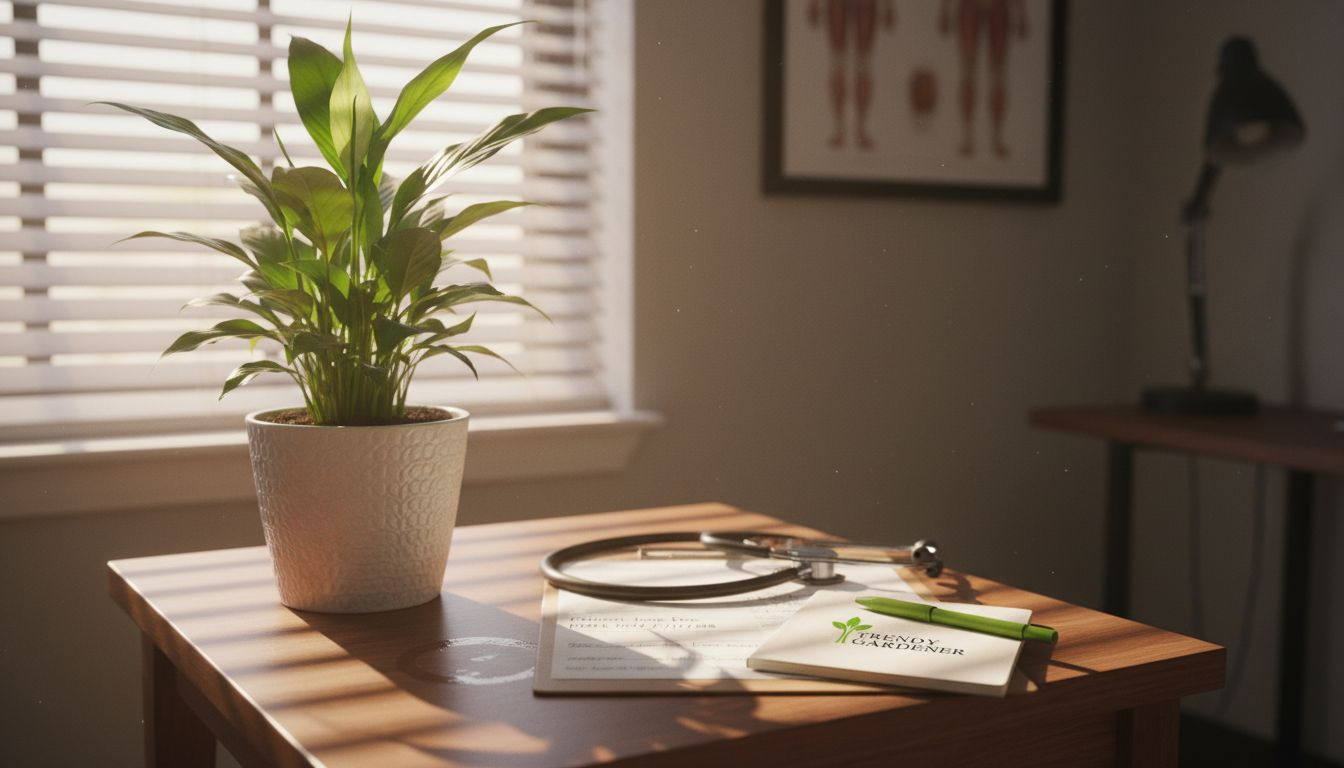
Peace lily offers unique advantages beyond basic air cleaning. This plant reduces mold spores and harmful vapors such as alcohol and acetone, making it particularly valuable for clinics focused on reducing airborne irritants. Its elegant white blooms add visual interest while its broad leaves maximize air contact for purification.
Snake plant excels in low light conditions common in interior clinic spaces. It releases oxygen at night, unlike most plants, creating continuous air quality benefits. Its upright growth habit fits narrow spaces and corners without sprawling.
Pothos rounds out the top tier with aggressive toxin removal and extreme resilience. This vine tolerates neglect better than almost any other air purifying species, perfect for clinics with limited plant care resources.
Indoor plants remove up to 87% of air toxins within 24 hours, creating measurably cleaner breathing environments that support patient respiratory health and comfort.
These air purifying champions thrive indoors and require minimal intervention once established. Combining several species maximizes air quality benefits across your clinic. For detailed species profiles and care requirements, visit our guide on the 7 best types of indoor plants for clinics. You can also explore comprehensive information about air purifying indoor plants and their specific toxin removal capabilities.
- Spider plant removes formaldehyde and xylene effectively
- Snake plant filters benzene and trichloroethylene
- Peace lily reduces mold spores and acetone vapors
- Pothos tackles carbon monoxide and formaldehyde
- Combine multiple species for comprehensive air cleaning
Indoor plants most effective for stress reduction and patient wellness
Beyond air quality, certain plants deliver measurable mental wellness benefits that directly improve patient experiences in clinical settings. The psychological impact of indoor greenery goes deeper than simple aesthetics.
Calathea varieties with their intricate leaf patterns and gentle movement create naturally calming focal points. Philodendron species with their lush, tropical appearance evoke feelings of tranquility and escape from clinical sterility. Both excel in moderate to low light, making them practical for interior spaces.
Scientific studies confirm what you intuitively know about plants and stress. Research shows indoor gardening activities reduce heart rate and blood pressure, supporting the creation of genuinely therapeutic environments. Even passive exposure without interaction produces measurable benefits.
Patient perception studies reveal compelling results. Patients in waiting rooms exposed to real plants showed decreased stress compared to those in rooms with artificial plants or no plants at all. The presence of living greenery creates subconscious comfort that artificial alternatives cannot replicate.
Indoor plants improve mood and attention span beyond stress reduction alone. Patients report feeling more positive and focused in plant filled spaces. These effects compound over time, contributing to overall satisfaction with their clinic experience.
Exposure to live plants in clinical waiting areas reduces patient perceived stress by measurable margins compared to artificial greenery, creating genuinely calmer environments that support healing.
The mechanism involves both visual appeal and biophilic connection. Humans evolved surrounded by plants, and our nervous systems respond positively to their presence even in modern clinical settings. Understanding these psychological benefits of plants helps you design spaces that feel intentionally calming. Learn more about the broader indoor plants wellness role in healthcare environments.
- Calathea varieties offer intricate, calming foliage patterns
- Philodendron species create lush, tropical ambiance
- Live plants reduce heart rate and blood pressure
- Real greenery outperforms artificial in stress reduction
- Plant presence improves patient mood and attention
Plant care and maintenance considerations in clinics
Practical maintenance requirements determine which plants actually succeed in busy wellness clinic environments. You need species that survive real world conditions, not greenhouse perfection.
Snake plant leads for extreme low maintenance needs. It requires watering every 2 to 3 weeks and tolerates a wide range of indoor light from low to bright indirect. This resilience makes it ideal for clinics without dedicated plant care staff.
Cast iron plant earns its name by surviving neglect and low light in commercial settings. It tolerates irregular watering, temperature fluctuations, and poor light conditions that kill more sensitive species. Place it in challenging locations where other plants fail.
Overwatering kills more clinic plants than any other factor. Most species need soil to dry partially between waterings to prevent root rot. Check soil moisture before watering rather than following rigid schedules.
Pest and disease resistance matters in healthcare environments where you cannot use harsh chemical treatments. Snake plant, pothos, and cast iron plant rarely suffer serious pest problems and resist common fungal diseases.
Pro Tip: Group plants by similar light and watering needs in designated zones throughout your clinic. This approach simplifies care routines and ensures each plant receives appropriate attention without constant individual assessment.
For specific guidance on maintaining various species in clinical conditions, consult our recommendations for durable plants for clinics. You can also review detailed snake plant care details and explore other resilient indoor plants proven in commercial environments.
- Snake plant needs watering only every 2 to 3 weeks
- Cast iron plant survives neglect and poor conditions
- Avoid overwatering to prevent root rot problems
- Choose pest resistant species for healthcare settings
- Group plants by care needs to streamline maintenance
Design and placement recommendations for wellness clinics
Strategic plant arrangement maximizes biophilic benefits while respecting clinical workflow and space constraints. Thoughtful placement transforms scattered greenery into intentional design elements.
Use diverse species to create visual interest and strengthen biophilic connection. Mixing leaf shapes, sizes, and growth habits creates more engaging displays than repetitive single species installations. Variety also distributes different health benefits throughout your space.
Waiting room placement delivers maximum patient benefit. Position plants where anxious patients naturally focus their attention while waiting. Eye level placements and corners create calming focal points without obstructing staff sightlines or patient flow.
Humidity boosting plants help in dry clinic environments. Studies show Calatheas and ferns increase indoor humidity by up to 15%, helping alleviate dry skin and respiratory issues for patients. Place these species in treatment rooms where patients spend extended time.
Light optimization requires matching plant positions to available illumination. Assess natural light patterns throughout the day and supplement with grow lights in darker areas. Position high light plants near windows and shade tolerant species in interior zones.
Pro Tip: Incorporate living wall systems for space efficient plant display and simplified care. Vertical installations maximize greenery in compact areas while centralizing maintenance access for staff efficiency.
Explore our wellness plant placement tips for detailed guidance on optimizing plant positions for health benefits. Learn more about specific humidity boosting plants and their therapeutic effects in clinical settings.
- Mix species for visual diversity and varied benefits
- Place plants in waiting rooms to reduce anxiety
- Use humidity boosting plants in dry treatment areas
- Match plant positions to available light conditions
- Consider living walls for efficient vertical displays
Comparison summary of indoor plants for wellness clinics
This table compares key species across critical factors to guide your final plant selections for clinical environments.
| Plant Species | Air Purification | Watering Frequency | Light Needs | Best Clinic Location | Maintenance Level |
|---|---|---|---|---|---|
| Snake Plant | High (benzene, formaldehyde) | Every 2 to 3 weeks | Low to bright indirect | Busy areas, hallways | Very low |
| Peace Lily | High (mold spores, VOCs) | Weekly | Low to medium | Treatment rooms | Low |
| Spider Plant | High (formaldehyde, xylene) | Weekly | Medium to bright indirect | Waiting rooms | Low |
| Pothos | High (formaldehyde, CO) | Every 7 to 10 days | Low to medium | Reception areas | Very low |
| Cast Iron Plant | Moderate | Every 2 to 3 weeks | Low | Dim corners, restrooms | Very low |
| Calathea | Moderate | Weekly (moist soil) | Low to medium indirect | Treatment rooms | Medium |
| Philodendron | Moderate | Every 7 to 10 days | Low to medium | Waiting areas | Low |
The table reveals clear patterns for different clinic needs. High traffic areas benefit from snake plant and cast iron plant durability. Treatment rooms gain from peace lily and calathea wellness benefits. Waiting rooms maximize patient comfort with spider plant and philodendron visual appeal.
Air purification ratings reflect documented toxin removal efficiency. Maintenance levels account for watering frequency, pest resistance, and tolerance for neglect. Light needs indicate minimum requirements for healthy growth.
For comprehensive care instructions tailored to clinical settings, review our clinic plant comparison guide with seasonal maintenance schedules.
Situational recommendations: choosing plants based on clinic environment and needs
Match your plant selections to specific clinical conditions for optimal success and patient benefit. These scenario based recommendations address common clinic challenges.
-
Low light clinics: Philodendron and pothos thrive in dim conditions common in interior spaces without windows. Both tolerate artificial lighting and maintain healthy growth where other plants struggle. Snake plant also performs well in low light though growth slows compared to brighter locations.
-
High patient traffic areas: Snake plant and cast iron plant withstand accidental bumps and brushes without damage. Their sturdy leaves and compact growth habits prevent the drooping and breaking that plague delicate species in busy corridors and reception areas.
-
Treatment rooms needing air quality improvement: Peace lily and spider plant actively remove airborne toxins while creating calming visual focal points. Position them where patients rest during treatments to maximize exposure benefits and stress reduction.
-
Limited maintenance capacity: Snake plant and cast iron plant require minimal intervention, surviving 2 to 3 weeks between waterings and tolerating neglect during staff shortages or vacations. These species never demand emergency attention.
-
Dry climates or heated spaces: Calathea, ferns, and peace lily increase humidity while thriving in conditions that desiccate other plants. Their moisture releasing abilities create more comfortable breathing environments for patients with respiratory sensitivities.
-
Narrow spaces and corners: Snake plant’s upright growth and pothos vertical or trailing flexibility fit tight spots without sprawling into walkways. Both maximize greenery impact in space constrained layouts.
Consider patient flow patterns when finalizing positions. Place plants where patients naturally pause and focus attention rather than in areas they rush through. Review our clinic plant situational picks for additional scenario specific guidance.
Enhance your wellness clinic with custom plant solutions
Transforming your clinic with therapeutic greenery requires more than buying plants. You need integrated systems designed for healthcare environments that deliver consistent results without overwhelming your staff.
Trendy Gardener specializes in end to end plant programs built for clinical settings. We handle consultation, design, sourcing, installation, and ongoing maintenance so your greenery looks exceptional from day one and stays that way. Our living wall systems deliver maximum biophilic impact in minimal space, perfect for clinics prioritizing patient experience.
Consider our 24 pocket living wall system for compact installations or the 33 pocket living wall system for standalone features in waiting areas. Both systems simplify maintenance while creating stunning vertical gardens that patients remember. We also offer plant leasing programs that eliminate the capital expense and maintenance burden of plant ownership while ensuring your clinic always features healthy, thriving greenery.
Frequently asked questions about indoor plants for wellness clinics
How do I choose plants for low light clinic areas?
Select shade tolerant species like pothos, philodendron, snake plant, and cast iron plant that thrive in dim conditions. These plants maintain healthy growth under artificial lighting without demanding bright windows. Assess your available light first, then match plants to conditions rather than forcing high light species into dark spaces.
What are the easiest indoor plants to maintain in busy clinics?
Snake plant and cast iron plant lead for extreme low maintenance needs, requiring watering only every 2 to 3 weeks and tolerating neglect. Pothos runs a close third, surviving irregular care and poor conditions. All three resist common pests and diseases, eliminating the need for chemical treatments in healthcare environments.
Can indoor plants really improve patient mood and reduce stress?
Yes, scientific research confirms that exposure to live plants in clinical settings measurably reduces patient stress compared to artificial plants or no plants. Studies show real greenery lowers heart rate and blood pressure while improving mood and attention span. The benefits stem from both visual appeal and subconscious biophilic connection to nature.
How often should clinic plants be watered to avoid root rot?
Most clinic plants need soil to dry partially between waterings, typically every 7 to 14 days depending on species and conditions. Always check soil moisture before watering rather than following rigid schedules. Overwatering causes more plant deaths than underwatering, so err on the side of letting soil dry out.
Where should I place plants for the best air purification effects?
Position air purifying plants in enclosed spaces where patients spend time, particularly treatment rooms and waiting areas. Maximize leaf surface area exposure to room air by avoiding cramped corners. Multiple smaller plants distributed throughout a space clean air more effectively than one large plant in a single location.