

Why invest in plant maintenance for better spaces
Most people assume plant maintenance is just about keeping greenery looking nice. That’s only half the story. Strategic plant care delivers measurable returns, from boosting property values by 20% to removing harmful pollutants from indoor air. Whether you manage a commercial property in Des Moines or own a home in Cedar Rapids, understanding the real benefits of plant maintenance transforms how you think about investing in your space. This guide breaks down why consistent plant care matters for Iowa homeowners and business decision-makers who want healthier, more valuable environments.
Table of Contents
- How Plant Maintenance Increases Property Value
- Improving Indoor Air Quality With Plant Maintenance
- Best Practices For Effective Plant Maintenance
- How Plant Maintenance Supports Wellbeing And Productivity
- Discover Trendy Gardener Plant Maintenance Solutions
- Frequently Asked Questions
Key takeaways
| Point | Details |
|---|---|
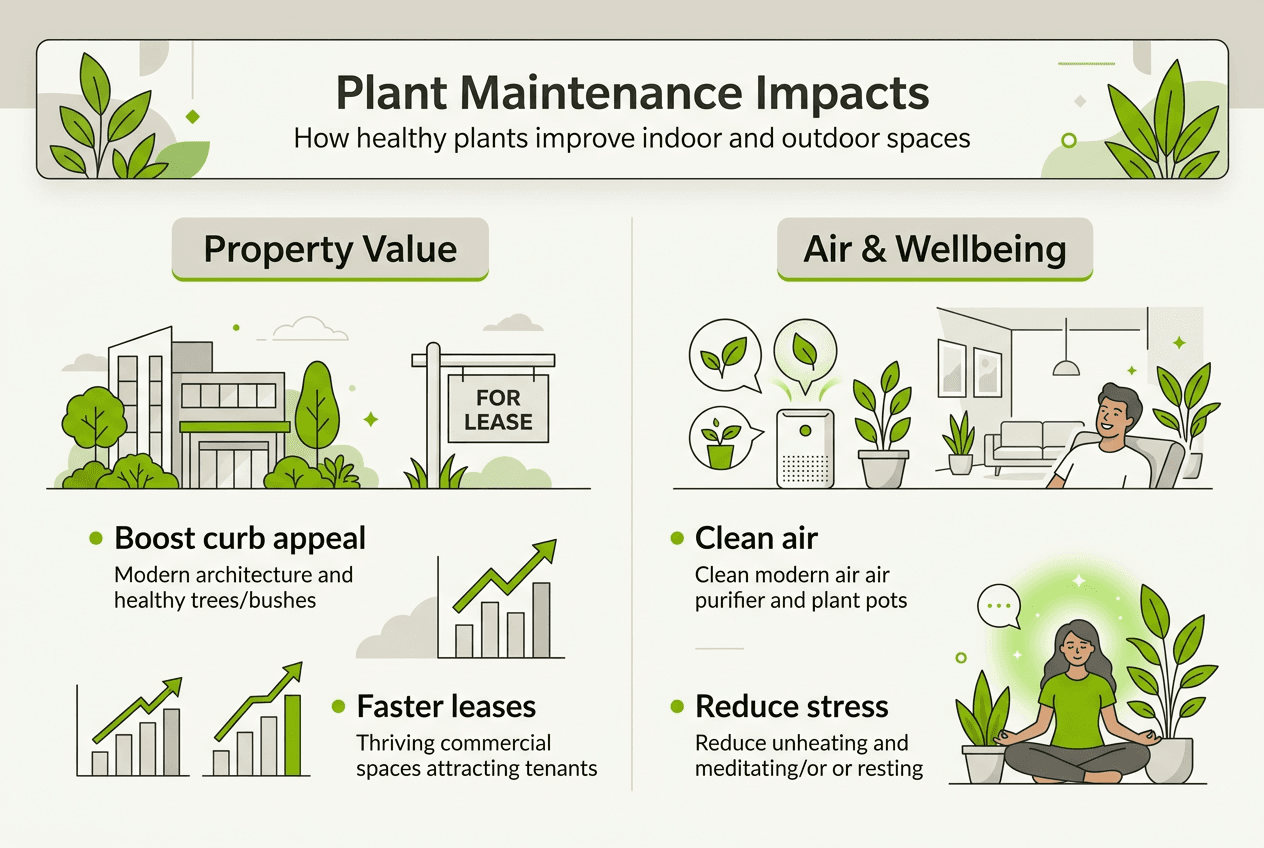
| Property value boost | Professional plant maintenance can increase home and commercial values by up to 20%. |
| Air quality improvement | Well-maintained plants remove up to 87% of volatile organic compounds within 24 hours. |
| Wellness enhancement | Regular plant care reduces stress by 37% and boosts productivity by 15% in indoor spaces. |
| Essential care practices | Proper watering, lighting, and seasonal fertilizing keep plants healthy and benefits sustained. |
| Professional support | Expert maintenance ensures optimal plant health for long-term aesthetic and health returns. |
How plant maintenance increases property value
Investing in plant care isn’t just an expense. It’s a strategic move that directly impacts what buyers will pay for your property. Landscaping can increase property value by up to 20%, making it one of the highest-return home improvements available. For commercial properties, the impact is equally significant. Well-maintained greenery creates an inviting atmosphere that attracts tenants, customers, and higher lease rates.
First impressions drive real estate decisions. When potential buyers or tenants approach a property, they notice outdoor plantings and indoor greenery immediately. Healthy, thriving plants signal that the property receives consistent care and attention. Dead leaves, overgrown shrubs, or wilted indoor plants send the opposite message. According to the American Society of Landscape Architects, homes with well-landscaped yards can see a 5.5% to 12.7% increase in property value. That translates to tens of thousands of dollars on typical Iowa home prices.
| Investment Type | Typical Property Value Increase |
|---|---|
| Basic lawn care and trimming | 5% to 7% |
| Professional landscaping with perennials | 8% to 12% |
| Complete outdoor design with trees and plantings | 15% to 20% |
| Indoor plantscaping for commercial spaces | 10% to 15% lease rate premium |
Certain maintenance tasks deliver outsized returns on the time and money invested:
- Regular pruning to maintain plant shape and remove dead growth
- Seasonal fertilization to ensure vibrant color and healthy foliage
- Mulching to retain moisture and create a polished appearance
- Pest and disease control to prevent visible damage
- Irrigation system maintenance for consistent watering
Pro Tip: Choose native Iowa plants like prairie dropseed, purple coneflower, and wild bergamot for outdoor spaces. These species thrive in local conditions with minimal water and fertilizer, reducing long-term maintenance costs while maintaining curb appeal year-round.
For commercial properties, plant maintenance essentials go beyond aesthetics. Businesses that invest in professional care see higher employee satisfaction and better client perceptions. Understanding plantscaping maintenance expert tasks helps property managers maximize these benefits while controlling costs.
Improving indoor air quality with plant maintenance
Indoor air often contains higher pollutant concentrations than outdoor air. Volatile organic compounds from furniture, paint, cleaning products, and building materials accumulate in enclosed spaces. This is where plants become powerful allies. Indoor plants can remove up to 87% of VOCs in just 24 hours, according to NASA’s groundbreaking Clean Air Study. But here’s the catch: only well-maintained plants deliver these benefits consistently.
Dusty leaves can’t photosynthesize effectively. Root-bound plants in depleted soil struggle to process pollutants. Overwatered plants develop mold that actually degrades air quality. Plant maintenance significantly improves indoor air quality by removing pollutants such as particulate matter and VOCs, but only when care routines support plant health. Regular maintenance transforms plants from decorative elements into functional air purification systems.
The top performers for air purification include:
- Snake plant (Sansevieria): Removes formaldehyde and benzene, thrives in low light
- Spider plant: Eliminates carbon monoxide and xylene, tolerates neglect better than most species
- Pothos: Filters formaldehyde, grows rapidly with minimal care
- Peace lily: Removes ammonia and trichloroethylene, signals water needs clearly
“People spend around 87% of their daily lives indoors, making indoor environments impactful on health. Plant maintenance creates measurable improvements in air quality that directly benefit occupants throughout their day.”
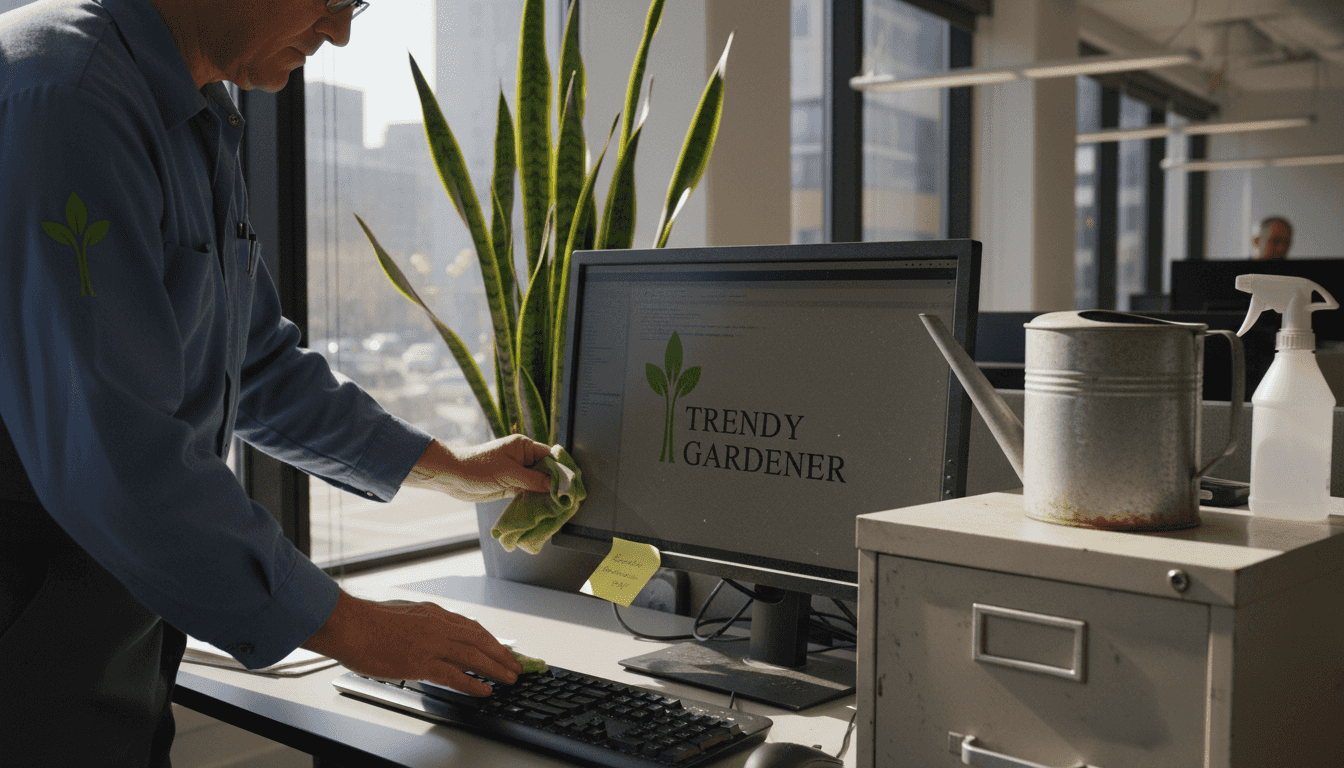
Maintaining these air-cleaning benefits requires consistent attention. Wiping leaves monthly removes dust that blocks pores plants use to absorb pollutants. Proper watering prevents root rot while ensuring plants have the moisture needed for transpiration and air exchange. Rotating plants quarterly ensures even light exposure, keeping all foliage active in purification processes.
For Iowa businesses and homeowners, the role of indoor plants in productivity extends beyond air quality. Clean air supports cognitive function, reduces sick days, and creates more pleasant environments. The wellness role of indoor plants becomes especially important during Iowa winters when buildings remain sealed for months.
Best practices for effective plant maintenance
Knowing what plants need is different from delivering consistent care. Effective maintenance follows a structured approach that addresses daily, weekly, and seasonal requirements. Here’s how to keep your investment thriving:
- Check soil moisture before every watering by inserting your finger two inches deep; water only when soil feels dry at that depth to prevent root rot
- Position plants according to their light requirements, using south-facing windows for high-light species and north-facing areas for shade-tolerant varieties
- Fertilize monthly from March through September using half-strength liquid fertilizer, then stop completely during fall and winter dormancy
- Repot when roots emerge from drainage holes or circle the pot’s interior, typically every 18 to 24 months for most indoor species
- Inspect weekly for pests, wiping leaves and checking undersides where insects hide, treating problems immediately before they spread
- Prune dead or yellowing leaves promptly to redirect energy toward healthy growth and maintain appearance
Pro Tip: Allow soil to dry slightly between waterings rather than maintaining constant moisture. Most houseplants evolved in environments with wet and dry cycles, and replicating this pattern prevents the root rot that kills more plants than any other cause.
Overwatering is the primary cause of houseplant death, yet it’s the mistake people make most often. The impulse to water on a fixed schedule ignores how environmental factors affect plant needs. Temperature, humidity, pot size, and growth stage all influence water consumption. A plant might need water every five days in July but only every two weeks in January.
Light matching determines whether plants merely survive or actually thrive. Snake plants tolerate low light but grow faster in bright indirect conditions. Fiddle leaf figs demand bright light and decline slowly in dim corners. Placing plants where their light needs align with available conditions eliminates the slow decline that frustrates many plant owners.
Seasonal adjustments prevent stress during dormancy. Fertilize from March to September and avoid fertilizing during fall and winter when most houseplants rest. Pushing growth during dormancy weakens plants and makes them vulnerable to pests and disease. This step-by-step plant maintenance guide for Iowa addresses regional considerations like dry winter air from heating systems.
For office environments, choosing the best indoor plants for offices simplifies maintenance while maximizing benefits. Species that tolerate irregular watering and variable light conditions reduce the care burden while still delivering air quality and aesthetic improvements.
How plant maintenance supports wellbeing and productivity
The connection between plants and human psychology runs deeper than most people realize. Research published in the Journal of Environmental Psychology found that plants reduce stress levels by up to 37% and increase productivity by 15%. But these benefits depend entirely on plant health. Struggling, pest-infested, or dying plants create visual stress rather than relief.
Maintained plants deliver measurable mental health benefits:
- Reduced cortisol levels and lower blood pressure in spaces with healthy greenery
- Improved concentration and memory retention in work environments with plants
- Enhanced mood and decreased anxiety among people who interact with plants regularly
- Faster recovery times for patients in healthcare settings with views of maintained landscapes
The mechanism behind these effects involves both psychological and physiological responses. Humans evolved in green environments, and our brains still respond positively to plant life. Well-maintained plants signal safety and abundance at a subconscious level. They also improve air quality and humidity, creating physical comfort that supports mental clarity.
Given that people spend around 87% of their daily lives indoors, the quality of indoor environments profoundly affects wellbeing. For Iowa business owners, this translates directly to employee performance and retention. Offices with maintained plantscaping report fewer sick days, higher job satisfaction, and better focus during complex tasks. The role of indoor plants in productivity extends beyond aesthetics to create functional improvements in workplace performance.
Homeowners benefit equally from these effects. Living spaces with healthy plants feel more relaxing and restorative after stressful days. Children in homes with plants show improved attention spans and academic performance. The investment in maintenance pays dividends in quality of life that extend far beyond the financial returns on property value.
For maximum impact, distribute plants throughout spaces rather than concentrating them in single areas. Multiple smaller plantings create more touchpoints for stress reduction and air quality improvement than one large display. Maintenance becomes easier too, since you can address care needs room by room rather than managing a complex installation all at once.
Discover Trendy Gardener plant maintenance solutions
Understanding plant benefits is one thing. Actually maintaining healthy plants consistently is another challenge entirely. That’s where professional solutions make the difference between good intentions and thriving greenery.
Trendy Gardener specializes in making plant maintenance effortless for Iowa homes and businesses. Our 24 pocket wall mounted living wall system transforms vertical spaces into self-contained gardens that simplify watering and care. For larger installations, the recirculating living wall system automates irrigation while creating dramatic visual impact. These solutions deliver the air quality and aesthetic benefits you want without the daily maintenance burden.
Our systems offer distinct advantages:
- Integrated irrigation that prevents overwatering while ensuring consistent moisture
- Space-saving vertical designs perfect for offices, lobbies, and compact homes
- Professional installation and ongoing support from experienced plantscaping specialists
- Customizable plant selections matched to your light conditions and aesthetic preferences
Pro Tip: Choose living wall systems sized to your actual maintenance capacity, not your aspirations. Starting with a manageable installation ensures you’ll maintain it properly, delivering sustained benefits rather than creating an overwhelming obligation.
Whether you need a statement piece for your business or want to bring biophilic design into your home, Trendy Gardener provides complete solutions from concept through ongoing care. Our expertise in Iowa’s specific climate and indoor conditions ensures your plants thrive year-round, maintaining the property value, air quality, and wellness benefits that make plant maintenance a smart investment.
Frequently asked questions
What is the best way to water indoor plants?
Water when the top two inches of soil feel dry to the touch, allowing excess water to drain completely from the pot. Most indoor plants need less water than people think, and allowing soil to dry slightly between waterings prevents root rot. Check soil moisture with your finger rather than following a fixed schedule, since environmental factors change how quickly plants use water.
Which indoor plants best improve air quality?
Snake plants, spider plants, and pothos are top performers for removing volatile organic compounds and particulate matter from indoor air. These species thrive with basic care and continue purifying air effectively for years. They tolerate the low humidity and variable light conditions common in Iowa homes and offices, making them practical choices for sustained air quality benefits.
How does plant maintenance impact property value?
Professional plant maintenance can increase property values by 5% to 20% depending on the scope and quality of plantings. Well-maintained landscapes create strong first impressions that influence buyer perceptions and willingness to pay premium prices. The return on investment often exceeds 100% when properties sell, making plant care one of the most cost-effective home improvements available.
How often should I fertilize indoor plants?
Fertilize monthly from March through September using half-strength liquid fertilizer, then stop completely during fall and winter. Most houseplants enter dormancy in cooler months and don’t need nutrients during this rest period. Fertilizing during dormancy can stress plants and make them vulnerable to pests and diseases.
Can I maintain office plants myself or should I hire professionals?
Small office installations with a few low-maintenance plants work well with staff care if someone takes clear responsibility. Larger plantscaping installations benefit from professional maintenance that ensures consistent watering, pest control, and seasonal adjustments. Professional services prevent the decline that happens when office plants receive irregular attention during busy periods or staff changes.