

Plantscaping Maintenance: 6 Expert Tasks for Thriving Indoor Plants
Many people believe indoor plants thrive with minimal effort after installation, but this couldn’t be further from reality. Plantscaping maintenance involves specialized, ongoing care tailored to each plant’s unique needs and the specific conditions of Iowa homes and offices. Expert maintenance sustains the health, aesthetic appeal, and biophilic benefits that make indoor plantscapes transformative. Without proper care routines, even premium plants quickly decline, losing vitality and visual impact.
Table of Contents
- Introduction To Plantscaping Maintenance
- Key Maintenance Procedures For Indoor Plants And Living Walls
- Role Of Environmental Factors In Plantscaping Maintenance
- Pest And Disease Management Specific To Indoor Plants
- Comparison Of Maintenance Approaches For Various Plant Types And Installations
- Common Misconceptions About Plantscaping Maintenance
- Benefits Of Proper Plantscaping Maintenance
- Conclusion And Practical Tips For Hiring And Maintaining Indoor Plantscapes
- Elevate Your Indoor Space With Expert Plantscaping Maintenance
- Frequently Asked Questions About Plantscaping Maintenance
Key Takeaways
| Point | Details |
|---|---|
| Core maintenance tasks | Watering tailored to species, pruning, fertilization, pest control, and leaf cleaning sustain plant health. |
| Environmental adaptation | Light, temperature, and humidity variations influence watering frequency and nutrient needs. |
| Installation differences | Living walls require more frequent care than potted plants due to design complexity. |
| Professional value | Expert maintenance sustains air quality, well-being benefits, and design integrity over time. |
| Common myths | Plants need ongoing tailored care, not minimal attention after setup. |
Introduction to Plantscaping Maintenance
Plantscaping maintenance refers to expert, ongoing care of indoor plants designed to sustain their health, visual appeal, and contribution to biophilic design principles. This specialized service ensures plants in homes and offices remain vibrant, supporting the well-being and air quality improvements that make indoor plantscapes valuable. Iowa’s indoor environments present unique challenges, from dry winter heating to variable natural light, requiring maintenance routines that adapt to these conditions.
Proper plantscaping maintenance involves watering tailored to plant species and container size, ensuring root health without surface wetting that encourages disease. Beyond watering, core maintenance tasks include pruning to control growth and shape, fertilizing to meet nutrient demands, cleaning leaves to optimize photosynthesis, and managing pests before infestations develop. Each task requires knowledge of plant biology and environmental interactions.
Effective maintenance bridges the gap between installation and long-term success. Plants that receive essential care maintain their aesthetic value and continue delivering psychological and air quality benefits. Neglecting maintenance leads to leggy growth, pest problems, and eventual plant decline. Key maintenance tasks include:
- Customized watering schedules based on species, container size, and seasonal changes
- Strategic pruning to maintain shape and encourage healthy growth patterns
- Nutrient management through appropriate fertilization protocols
- Regular leaf cleaning to remove dust and enhance appearance
- Proactive pest and disease monitoring with timely interventions
Key Maintenance Procedures for Indoor Plants and Living Walls
Watering schedules form the foundation of effective plantscaping maintenance, yet they vary dramatically by plant type. Foliage plants typically require watering twice weekly, while blooming varieties often need three sessions per week to support flower production. Succulents and cacti thrive on monthly watering, reflecting their drought-adapted physiology. Proper technique matters as much as frequency; water should reach roots without saturating foliage, preventing fungal issues.
Pruning improves plant vigor by controlling leggy growth caused by low light conditions common in indoor settings. Regular trimming maintains aesthetic appeal while redirecting energy toward healthy foliage development. Removing dead or yellowing leaves also reduces disease risk and keeps plants looking fresh. This task requires understanding each species’ natural growth habits and how they respond to interior light levels.
Leaf cleaning is often overlooked but essential for optimizing photosynthesis and appearance. Dust accumulation blocks light absorption and clogs stomata, reducing plant efficiency. Gentle wiping with damp cloths or periodic showering removes buildup without damaging delicate foliage. Clean leaves also reveal early signs of pest activity, enabling prompt intervention.
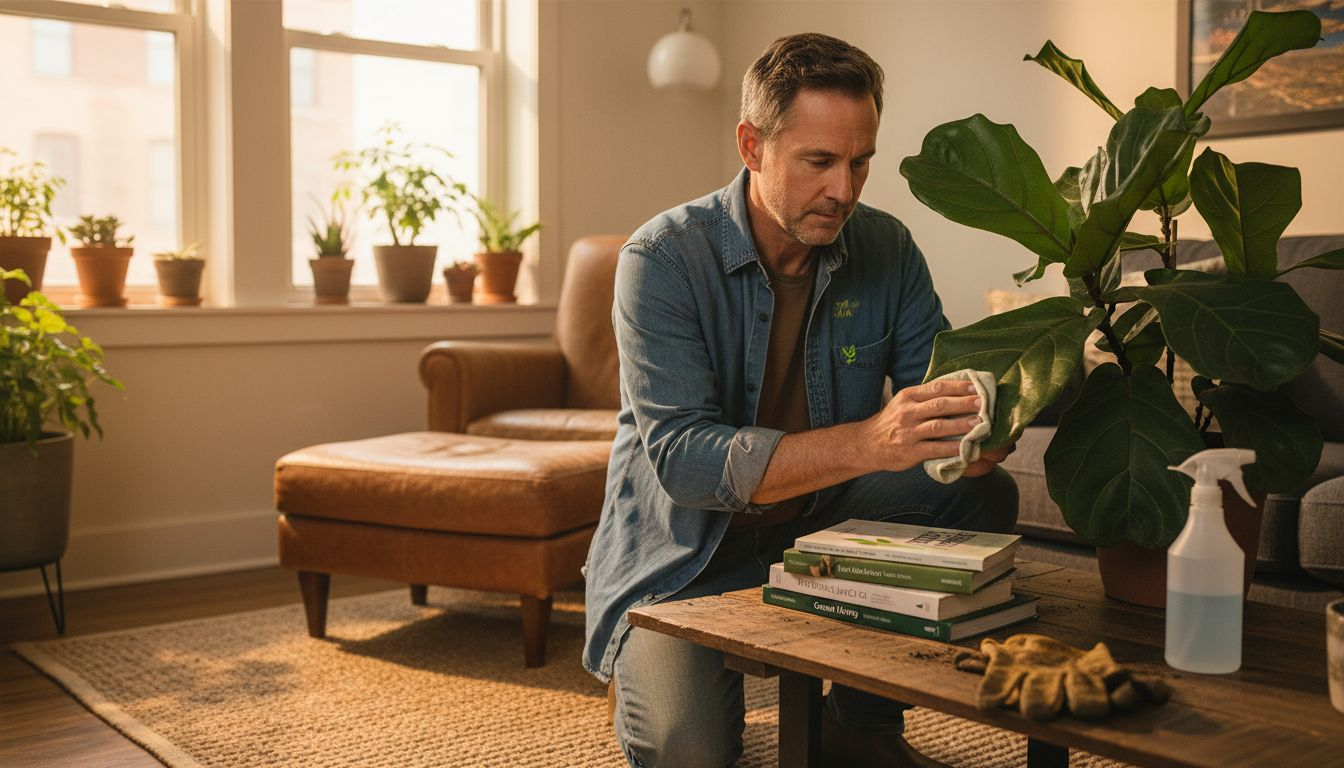
Fertilization supports nutrient needs based on plant growth rates and container limitations. Indoor plants exhaust soil nutrients faster than outdoor counterparts due to restricted root zones. Balanced fertilizers applied at appropriate intervals sustain vibrant foliage and strong root systems. Maintenance routines integrate fertilization with watering schedules to maximize nutrient uptake.
Pro Tip: Check soil moisture before watering by inserting your finger two inches deep. If soil feels damp, wait another day to prevent root rot, which kills more indoor plants than under-watering.
Office plantscaping requires even more attention to detail, as commercial environments often feature inconsistent lighting and temperature control. Regular assessment ensures plants receive care matching their current conditions rather than generic schedules.
Role of Environmental Factors in Plantscaping Maintenance
Matching plants to interior environmental conditions minimizes stress and reduces pest vulnerability, making maintenance more effective and efficient. Light intensity, temperature fluctuations, and humidity levels all influence how plants respond to care routines. Plants positioned near south-facing windows require different watering and fertilization than those in low-light corners.
Acclimatization to interior light involves sun leaves transitioning to shade leaves, improving photosynthetic efficiency in reduced illumination. This physiological adaptation takes weeks and affects growth rates, water consumption, and nutrient demands. Newly installed plants need gradual light reduction and adjusted care during this transition period.
Low light conditions slow plant metabolism, reducing water uptake and fertilizer requirements. Overwatering plants in dim locations causes root rot because roots cannot absorb moisture quickly enough. Temperature swings near heating vents or drafty windows create additional stress, requiring more frequent monitoring.
Humidity levels impact transpiration rates and pest susceptibility. Dry indoor air, especially during Iowa winters, stresses tropical plants adapted to humid environments. Misting, humidifiers, or grouping plants together can mitigate these effects. Environmental monitoring becomes part of maintenance routines, ensuring care adapts to seasonal changes.
Regular reassessment of environmental factors optimizes care schedules, preventing problems before they compromise plant health. What works in summer may fail in winter.
Sustaining biophilic design requires understanding these dynamic interactions. Plants contribute to wellness only when healthy, making environmental adaptation critical to maintenance success.
Pest and Disease Management Specific to Indoor Plants
Common indoor pests include spider mites, scale insects, mealybugs, and aphids, each requiring different control approaches. Routine monitoring prevents deterioration of plant health and maintains aesthetic quality in plantscaping environments. Early detection through regular inspection catches infestations before they spread, reducing treatment intensity and plant damage.
Integrated pest management combines cultural practices, physical removal, and targeted treatments when necessary. Proper watering prevents stress that attracts pests, while adequate airflow discourages fungal growth. Isolating new plants for two weeks quarantines potential pest introductions before they reach established plantscapes.
Spider mites thrive in dry, dusty conditions, making leaf cleaning and humidity management preventive measures. Scale insects attach to stems and leaf undersides, requiring physical removal or horticultural oil applications. Fungus gnats indicate overwatering, prompting irrigation schedule adjustments rather than pesticide use.
Pro Tip: Inspect leaf undersides weekly for tiny webs, sticky residue, or discolored spots signaling pest activity. Catching problems early saves plants and reduces treatment needs.
Maintenance workflows incorporate pest monitoring as a standard task, not an emergency response. Consistent vigilance maintains plant health more effectively than reactive interventions. Commercial plant maintenance especially benefits from systematic pest management, as large installations amplify small problems quickly.
Comparison of Maintenance Approaches for Various Plant Types and Installations
Potted plants and living walls require distinctly different maintenance strategies, each with unique trade-offs. Potted arrangements allow individual attention but may lack the dramatic visual impact of integrated living walls. Living walls deliver stunning focal points yet demand more frequent watering, integrated irrigation systems, and expert pruning to maintain uniform appearance.
| Feature | Potted Plants | Living Walls |
|---|---|---|
| Watering Frequency | Twice weekly to monthly depending on species | Daily to every other day via irrigation |
| Maintenance Complexity | Moderate, individual plant care | High, system management required |
| Visual Impact | Variable, depends on arrangement | High, creates dramatic focal point |
| Pest Management | Easier to isolate and treat | Requires integrated approach |
| Replacement Ease | Simple, swap individual pots | Complex, disrupts wall integrity |
High light plants require more water and fertilization to support accelerated photosynthesis and growth. Low light species need reduced care schedules, as their slower metabolism consumes fewer resources. Mismatching care intensity to light conditions causes either nutrient deficiencies or toxic buildup.
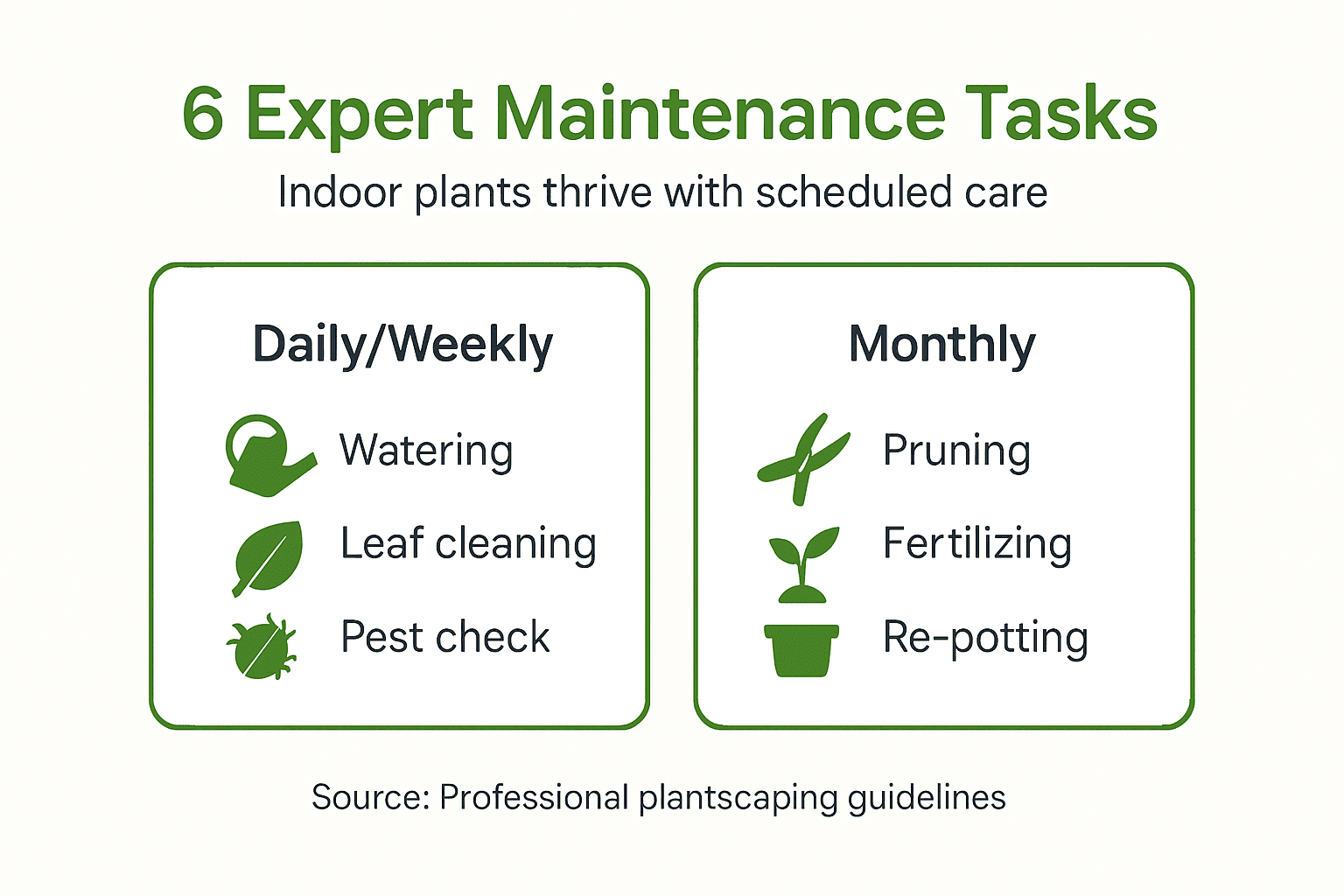
Professional maintenance includes scheduled tasks like watering, fertilization, pest control, pruning, leaf cleaning, and plant replacement to maintain design integrity. Adaptive management emphasizes consistent care that prevents problems rather than reacting to crises, maintaining plant health through proactive attention.
Key maintenance steps include:
- Assess current plant health and environmental conditions weekly
- Adjust watering schedules based on seasonal changes and growth rates
- Implement preventive pest monitoring and early intervention protocols
- Prune strategically to maintain shape and encourage healthy development
- Adapt care routines as plants mature and environmental factors shift
Living wall maintenance demands specialized knowledge of irrigation systems, plant selection for vertical growth, and aesthetic management. Plant rental programs often include maintenance services, simplifying care logistics for businesses.
Common Misconceptions About Plantscaping Maintenance
Myth: Indoor plants need minimal maintenance after initial setup and selection. Reality: Plants require ongoing tailored care responding to growth, seasonal changes, and environmental fluctuations. Even hardy species decline without appropriate watering, cleaning, and pruning.
Myth: Artificial lighting eliminates the need for adjusted watering and care schedules. Reality: Grow lights affect plant metabolism and water consumption, often requiring different care timing than natural light cycles. Light intensity and duration must match watering frequency.
Myth: All indoor plants thrive equally well in any interior setting. Reality: Different species have varied light, humidity, and temperature requirements. Tropical plants struggle in dry climates without humidity supplementation, while succulents rot in overly moist conditions.
Myth: Plant disease always indicates poor plant quality or genetics. Reality: Most indoor plant diseases stem from environmental stress or improper care practices like overwatering, poor drainage, or inadequate air circulation. Quality plants still require correct maintenance.
Expert guidance corrects these misconceptions, setting realistic expectations for plant care success. Evidence-based approaches replace assumptions, improving maintenance outcomes and plant longevity.
Benefits of Proper Plantscaping Maintenance
Maintained plants sustain indoor air quality improvements and provide psychological benefits through biophilic design, which expert care preserves by keeping plants healthy and visually appealing. These benefits disappear when plants decline due to neglect or improper care. Healthy foliage actively filters air pollutants and releases oxygen, while struggling plants contribute little.
Psychological wellness benefits link directly to plant vitality and presence. Vibrant, well-maintained greenery reduces stress and improves mood more effectively than struggling specimens. Workplace plantscaping enhances employee satisfaction and productivity when plants look exceptional and stay that way.
Proper maintenance extends plant lifespan dramatically, protecting initial investment in premium specimens and design. Replacing plants costs significantly more than maintaining them properly from the start. Design intent remains intact when plants maintain their original size, shape, and health.
Operational reliability in commercial settings depends on consistent maintenance ensuring aesthetic and health benefits persist without disruption or decline.
Expert care maximizes return on investment in plantscaping designs, delivering sustained value rather than temporary appeal. Initial costs become worthwhile when plants thrive for years instead of months.
Conclusion and Practical Tips for Hiring and Maintaining Indoor Plantscapes
Selecting professional plantscaping maintenance services requires evaluating their scope, reliability, and expertise. Expect comprehensive services including tailored watering, systematic pruning, proactive pest management, leaf cleaning, fertilization, and plant replacement when necessary. Verify providers offer regular site visits matching your plant types and installation complexity.
Scheduling frequency depends on plant species, installation type, and environmental conditions. Living walls typically need weekly visits, while potted plant collections may thrive with biweekly or monthly service. Seasonal adjustments account for heating and cooling impacts on plant needs.
Important questions for service providers:
- What specific tasks does your maintenance program include?
- How do you adapt care schedules to seasonal environmental changes?
- What is your pest monitoring and intervention protocol?
- How do you communicate plant health issues and recommendations?
- What are your plant replacement policies and procedures?
Balance maintenance budgets with expected outcomes by understanding that higher-quality care prevents costly plant replacement and preserves design integrity. Cutting maintenance corners often costs more long-term through plant loss and redesign needs.
Pro Tip: Establish clear communication channels with maintenance providers and request regular written reports documenting plant health, completed tasks, and recommendations for ongoing success.
Office plantscaping success relies on partnerships with knowledgeable professionals who understand commercial plant maintenance essentials. The right provider becomes a partner in sustaining your indoor environment’s health and beauty.
Elevate Your Indoor Space with Expert Plantscaping Maintenance
Now that you understand the complexity and value of proper plantscaping maintenance, it’s time to ensure your indoor plants receive the expert care they deserve. Trendy Gardener specializes in professional maintenance programs tailored to sustain the health, beauty, and biophilic design benefits of your indoor plantscapes.
Our ongoing plant care services combine horticultural expertise with operational reliability, delivering consistent results that keep your spaces looking exceptional. From routine maintenance to specialized living wall care, we ensure your investment in indoor greenery continues delivering wellness and aesthetic value. Contact Trendy Gardener today to discuss how our maintenance programs can transform your Iowa home or office into a thriving, vibrant environment.
Frequently Asked Questions About Plantscaping Maintenance
What is the recommended frequency for watering different types of indoor plants?
Watering frequency varies significantly by plant type and environmental conditions. Foliage plants typically need watering twice weekly, blooming plants three times weekly, and succulents monthly. Always check soil moisture before watering, as overwatering causes more problems than underwatering.
How does artificial light affect plantscaping maintenance schedules?
Artificial lighting changes plant metabolism and water consumption patterns compared to natural light. Plants under grow lights often require adjusted watering schedules matching light duration and intensity. Maintenance routines must account for these differences to prevent stress.
What are signs that a pest infestation is beginning?
Early pest signs include tiny webs on leaf undersides (spider mites), sticky residue on leaves (aphids or scale), white cottony masses (mealybugs), or sudden leaf yellowing. Regular inspection catches problems before they spread, enabling easier, less invasive treatment.
Can professional maintenance prevent common indoor plant diseases?
Yes, professional maintenance prevents most diseases through proper watering, adequate air circulation, and environmental monitoring. Fungal issues, root rot, and bacterial problems typically result from improper care practices that expert maintenance eliminates. Proactive attention maintains plant health.
How does plantscaping maintenance support biophilic design principles?
Maintenance sustains the health and vitality of plants that deliver biophilic design benefits like improved air quality, stress reduction, and enhanced well-being. Without proper care, plants decline and lose their positive impact. Expert maintenance ensures biophilic elements remain effective long-term.