

Plants in medical clinics enhance patient care (2026)
Indoor plants do more than beautify medical clinics. Research shows that patients exposed to plants experience measurably lower stress and faster recovery times. For Iowa clinic operators, integrating biophilic design offers a practical, evidence-based strategy to improve patient outcomes, enhance staff well-being, and create healing environments. This article explores the science behind plant benefits, practical implementation guidelines for infection control, plant selection tailored to clinical settings, and actionable strategies to transform your clinic into a space that supports both physical and emotional healing.
Table of Contents
- How Indoor Plants Reduce Patient Stress And Improve Recovery
- Biophilic Design And Plant Integration Best Practices For Iowa Clinics
- Comparing Plant Options For Clinic Spaces: Live, Imitation, And Images
- Benefits Beyond Patients: Staff Well-Being And Clinic Environment
- Explore Living Wall Systems And Plant Solutions For Clinics
Key takeaways
| Point | Details |
|---|---|
| Stress reduction | Plants lower patient anxiety and pain perception through natural beauty and biophilic connection. |
| Faster recovery | Biophilic interventions reduce hospitalization time by 8.5% and pain medication needs by 22%. |
| Infection control | Careful plant selection and maintenance protocols ensure safety in clinical environments. |
| Iowa regulations | No state restrictions prohibit plants in clinics when general safety standards are met. |
| Implementation options | Live plants, imitation alternatives, and plant images each offer distinct benefits for different clinic zones. |
How indoor plants reduce patient stress and improve recovery
The connection between nature and healing runs deeper than aesthetic preference. Indoor plants reduce patient stress through the perceived attractiveness of the environment, triggering psychological responses that lower cortisol levels and promote relaxation. This phenomenon, rooted in biophilia (our innate affinity for nature), creates measurable physiological changes in patients exposed to greenery.
A 2025 systematic review found that biophilic interventions increase well-being by 47% while reducing hospitalization time, pain, and stress. These aren’t marginal improvements. Patients in plant-rich environments report better mood states, require less pain medication, and demonstrate faster recovery trajectories compared to those in sterile, plant-free spaces.
Two complementary theories explain these benefits. Stress Reduction Theory (SRT) suggests that natural elements trigger automatic calming responses, lowering blood pressure and muscle tension. Attention Restoration Theory (ART) posits that nature provides effortless fascination, allowing directed attention to recover from mental fatigue. Together, these mechanisms create an environment where healing happens more efficiently.
“The presence of plants in healthcare settings creates a multisensory experience that engages patients beyond visual stimulation, promoting psychological restoration and physiological recovery.”
The benefits extend beyond patients. Healthcare staff working in environments with plants and natural elements report improved mood, increased alertness, and reduced burnout. For Iowa clinics facing staffing challenges, this dual benefit (patient outcomes plus staff retention) makes biophilic design a strategic investment, not just a decorative choice.
Key research findings include:
- Plants reduce perceived stress through visual connection to nature
- Natural elements lower cortisol and blood pressure in clinical populations
- Biophilic design correlates with shorter hospital stays and reduced medication needs
- Staff experience mood elevation and cognitive restoration in plant-enriched spaces
Biophilic design and plant integration best practices for Iowa clinics
Implementing plants in medical settings requires balancing therapeutic benefits with infection control protocols. Not every clinic zone can safely accommodate live plants, but strategic placement in appropriate areas delivers maximum impact while maintaining safety standards.
Infection control guidelines recommend avoiding live plants in intensive care units, operating rooms, and immunocompromised patient areas due to potential allergen and microbial risks. For these sensitive zones, imitation plants or low-risk hypoallergenic species provide visual benefits without biological hazards. Waiting rooms, consultation areas, staff lounges, and administrative spaces offer ideal locations for live plant integration.
Iowa’s regulatory environment supports thoughtful plant use in medical facilities. State regulations emphasize safe, homelike environments without specifically prohibiting plants in clinics. This framework gives operators flexibility to implement biophilic design while maintaining compliance with general safety and quality standards.
Selecting the right plants matters enormously. Hospital-safe, low-maintenance species minimize care requirements while maximizing therapeutic impact. Snake plants (Sansevieria) tolerate low light and irregular watering. Spider plants (Chlorophytum comosum) actively filter air pollutants and thrive in varied conditions. Peace lilies (Spathiphyllum) offer visual elegance with minimal maintenance, though they require slightly more attention to watering.
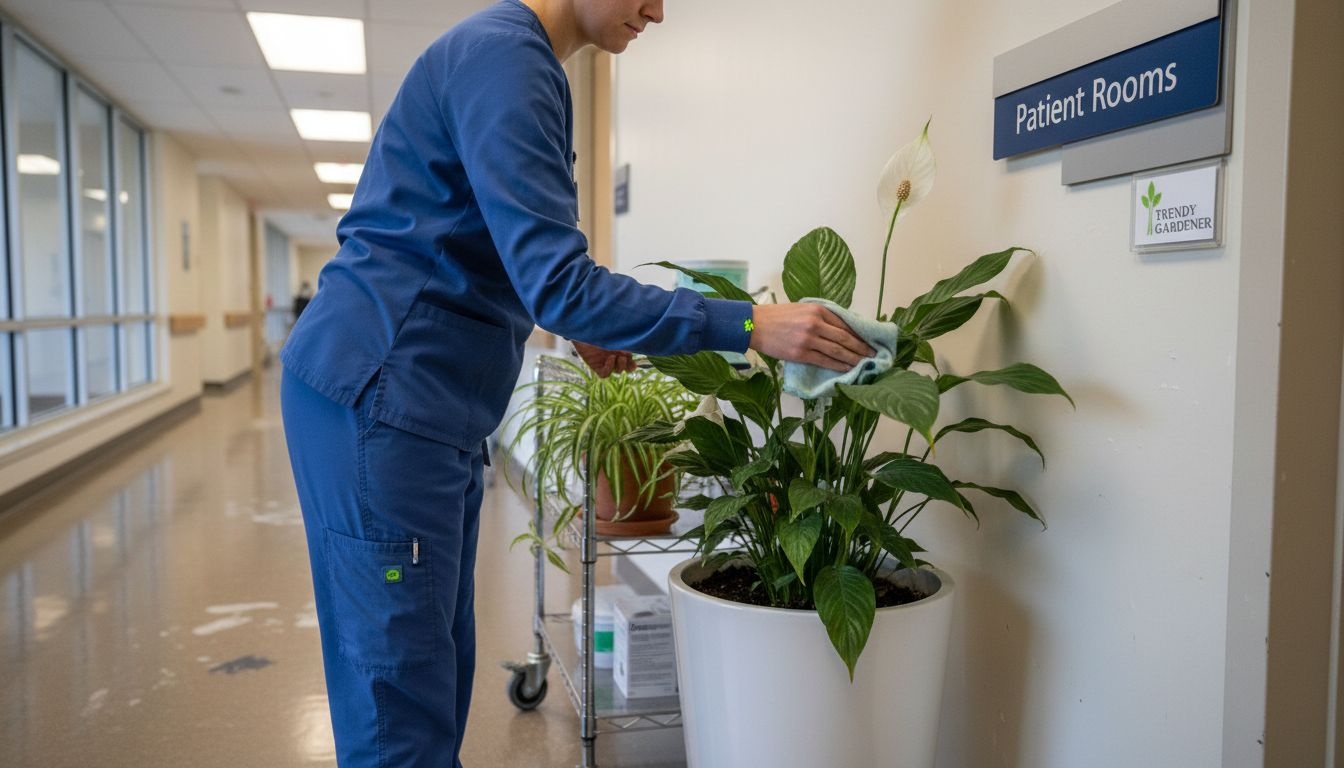
Pro Tip: Establish weekly maintenance protocols that include leaf cleaning, soil moisture checks, and visual inspections for pests or disease. Consistent care prevents the buildup of dust and microorganisms that could compromise air quality or trigger allergies.
Recommended hospital-safe plants for Iowa clinics:
- Snake plant: Extremely low maintenance, tolerates neglect, removes toxins
- Spider plant: Air-purifying properties, produces offshoots for easy propagation
- Peace lily: Elegant appearance, signals watering needs through leaf drooping
- Pothos: Adaptable to various light conditions, fast-growing, forgiving
- ZZ plant: Drought-tolerant, glossy foliage, thrives in low-light areas
For comprehensive guidance on selecting species for different clinic zones, explore 7 best types of indoor plants for clinics explained. Pairing proper plant selection with commercial maintenance protocols ensures long-term success and safety.
Comparing plant options for clinic spaces: live, imitation, and images
Not all biophilic interventions require living organisms. Understanding the trade-offs between live plants, high-quality imitations, and nature imagery helps you optimize each clinic zone for specific needs and constraints.
Live plants deliver authentic biological benefits including air purification, humidity regulation, and the full sensory experience of living nature. They require ongoing care, present minimal infection risks when properly maintained, and offer the strongest psychological connection to nature. Initial costs remain moderate, but labor for weekly maintenance adds recurring expenses.
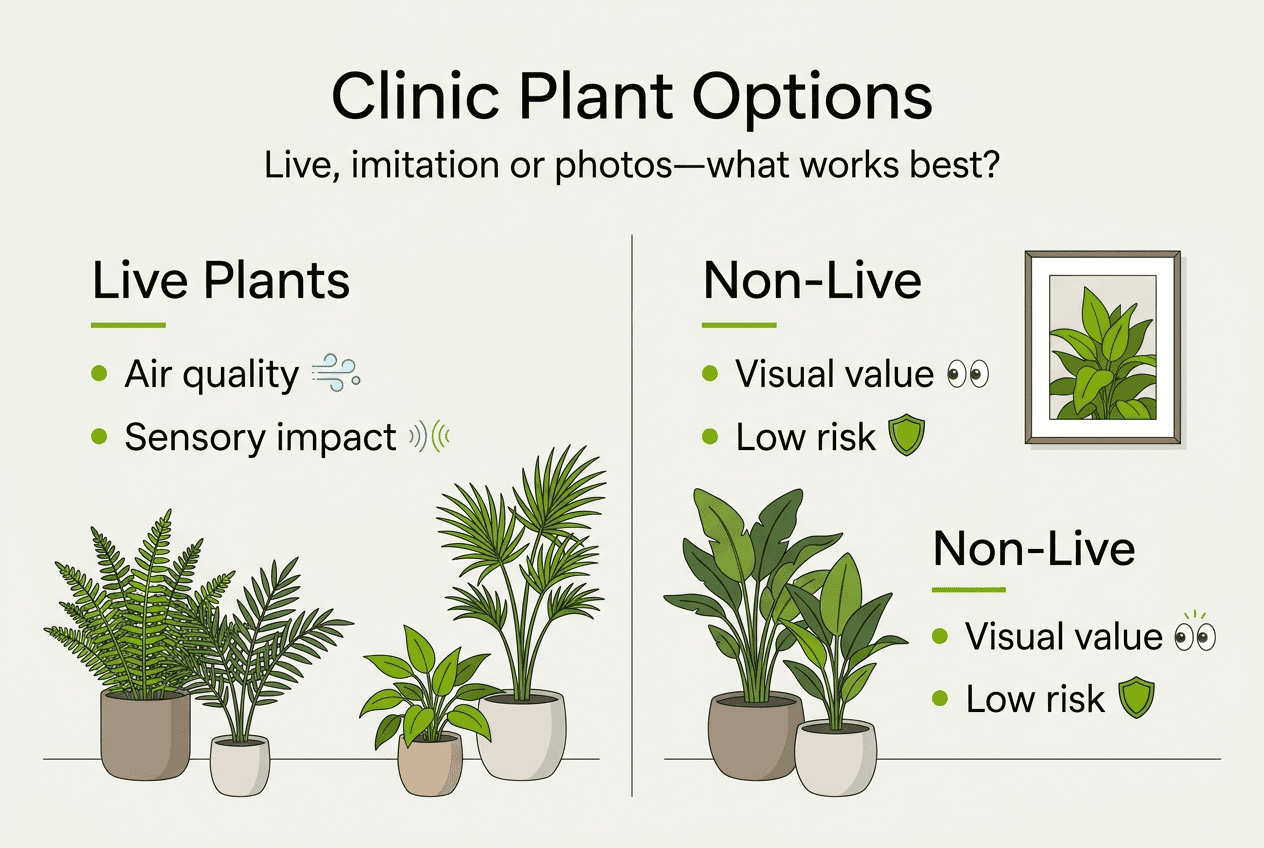
Imitation plants eliminate biological risks entirely while preserving visual biophilic cues. Recent research on multisensory biophilic recharge rooms demonstrated that high-quality artificial plants combined with nature sounds and scents reduce healthcare worker stress and improve mood. These alternatives suit infection-sensitive zones perfectly, though they lack air quality benefits and require occasional dusting.
Plant images and nature photography provide the lowest-maintenance option. Large-format prints of forest scenes, botanical close-ups, or garden landscapes trigger similar stress-reduction responses as live plants, though with somewhat diminished intensity. They work exceptionally well in exam rooms, corridors, and areas where physical plants pose logistical challenges.
| Plant Option | Health Impact | Maintenance | Infection Risk | Aesthetics | Cost |
|---|---|---|---|---|---|
| Live plants | High (air quality, humidity, full sensory) | Weekly care required | Low with proper protocols | Authentic, dynamic | Moderate initial, ongoing labor |
| Imitation plants | Medium (visual biophilia only) | Minimal (occasional dusting) | None | Realistic modern options | Higher initial, no ongoing |
| Plant images | Low to medium (visual cues) | None | None | Static but impactful | Low to moderate |
Pro Tip: Blend all three approaches strategically. Use live plants in waiting areas and staff spaces, imitation plants in infection-sensitive zones, and nature imagery in exam rooms. This layered strategy maximizes therapeutic benefits while addressing practical constraints across your facility.
For clinics ready to invest in premium biophilic solutions, review best indoor plants wellness clinics 2026 to identify species that deliver measurable outcomes in healthcare environments.
Benefits beyond patients: staff well-being and clinic environment
While patient outcomes drive most healthcare decisions, the impact of biophilic design on staff well-being and operational efficiency deserves equal attention. Plants create ripple effects throughout your clinic ecosystem.
Evidence-based design research shows that implementing nature views and plant elements leads to 22% less pain medication usage and 8.5% shorter hospital stays. These metrics translate directly to operational efficiency, reduced pharmaceutical costs, and improved patient throughput without compromising care quality.
Staff experience parallel benefits. Healthcare workers exposed to biophilic elements report elevated mood, increased alertness during long shifts, and stronger job satisfaction. In an industry plagued by burnout and turnover, these improvements matter enormously. Retaining experienced staff reduces training costs, maintains continuity of care, and preserves institutional knowledge.
Indoor air quality improvements represent another significant advantage. Greenery, daylight, and fresh air rank as top biophilic elements for enhancing well-being in cancer care clinics. Plants naturally filter volatile organic compounds (VOCs), increase humidity to comfortable levels, and signal a commitment to environmental health that resonates with both staff and patients.
The cumulative effect creates a healing environment that extends beyond individual interventions. When patients perceive your clinic as thoughtfully designed and health-promoting, satisfaction scores rise, online reviews improve, and referrals increase. Staff who feel supported by their physical environment demonstrate higher engagement and lower absenteeism.
| Benefit Category | Patient Impact | Staff Impact | Operational Impact |
|---|---|---|---|
| Stress reduction | 47% well-being increase | Improved mood, alertness | Higher satisfaction scores |
| Recovery outcomes | 8.5% shorter stays | Reduced burnout | Better patient throughput |
| Pain management | 22% less medication | Easier patient interactions | Lower pharmaceutical costs |
| Retention/loyalty | Increased referrals | Reduced turnover | Lower recruitment costs |
For Iowa clinics seeking to create comprehensive wellness environments, understanding how plants enhance workspace wellbeing and productivity provides additional frameworks applicable to healthcare settings. The principles translate directly: healthier environments produce better outcomes for everyone who occupies them.
Key staff and environment benefits:
- Reduced burnout through daily exposure to restorative natural elements
- Improved indoor air quality from plant-based VOC filtration
- Enhanced professional reputation as a health-focused, modern facility
- Lower staff turnover and associated recruitment costs
Explore living wall systems and plant solutions for clinics
Transforming your Iowa clinic with biophilic design requires more than buying a few potted plants. Professional systems deliver consistent visual impact and simplified maintenance that busy healthcare operations demand. Trendy Gardener specializes in creating intentional, elevated plant installations that look exceptional from day one and maintain that standard through ongoing expert care.
Living wall systems offer vertical impact without consuming valuable floor space. Our 24 pocket wall mounted living wall system creates dramatic focal points in waiting areas or lobbies, while the recirculating living wall system provides automated irrigation for truly low-maintenance installations. Both options deliver the therapeutic benefits of live plants with professional design execution.
Beyond installations, we provide comprehensive maintenance programs that ensure your biophilic investment continues delivering results. From consultation through ongoing care, Trendy Gardener handles the complexity so you can focus on patient care while enjoying the proven benefits of nature-integrated healthcare spaces.
FAQ
What types of plants are safest for medical clinic areas?
Snake plants, spider plants, and peace lilies rank among the safest options due to their low-maintenance requirements, air-purifying properties, and non-invasive growth patterns. These species tolerate the variable light and temperature conditions typical in clinics while requiring minimal intervention. For infection-sensitive zones like ICUs or surgical areas, high-quality imitation plants eliminate biological risks entirely while preserving visual biophilic benefits. Detailed species guidance appears in 7 best types of indoor plants for clinics explained.
How do plants in clinics affect patient recovery times?
Research demonstrates that nature views and plant elements reduce hospitalization time by approximately 8.5% while decreasing pain medication needs by 22%. These improvements stem from stress reduction mechanisms that lower cortisol levels, improve sleep quality, and promote parasympathetic nervous system activation. Patients in plant-enriched environments report better mood states and higher satisfaction with their care experience, creating measurable operational benefits alongside clinical outcomes.
Are there any regulations in Iowa restricting plants in medical settings?
Iowa regulations emphasize safe, homelike environments without specifically prohibiting plants in medical clinics. State guidelines focus on general safety, infection control, and quality of life rather than banning specific design elements. This regulatory framework gives clinic operators flexibility to implement biophilic design while maintaining compliance with health and safety standards. Focus on proper plant selection, maintenance protocols, and avoiding live plants in infection-sensitive zones to align with both state regulations and best practices.
How can clinics safely maintain plants for infection control?
Weekly maintenance protocols prevent microbial growth and allergen accumulation that could compromise safety. Regular cleaning and hypoallergenic plant selection minimize infection risks in clinical environments. Establish routines for leaf dusting, soil moisture monitoring, and visual inspections for pests or disease. For high-risk areas like intensive care units or surgical suites, substitute imitation plants that deliver visual benefits without biological hazards. Comprehensive maintenance guidance appears in plant maintenance essentials commercial, covering protocols specifically designed for healthcare and professional environments.