

Common Houseplant Problems & Solutions
Common Houseplant Problems & Solutions: Expert Indoor Plant Care and Troubleshooting Guide
By Hunter Frescoln, Trendy Gardener
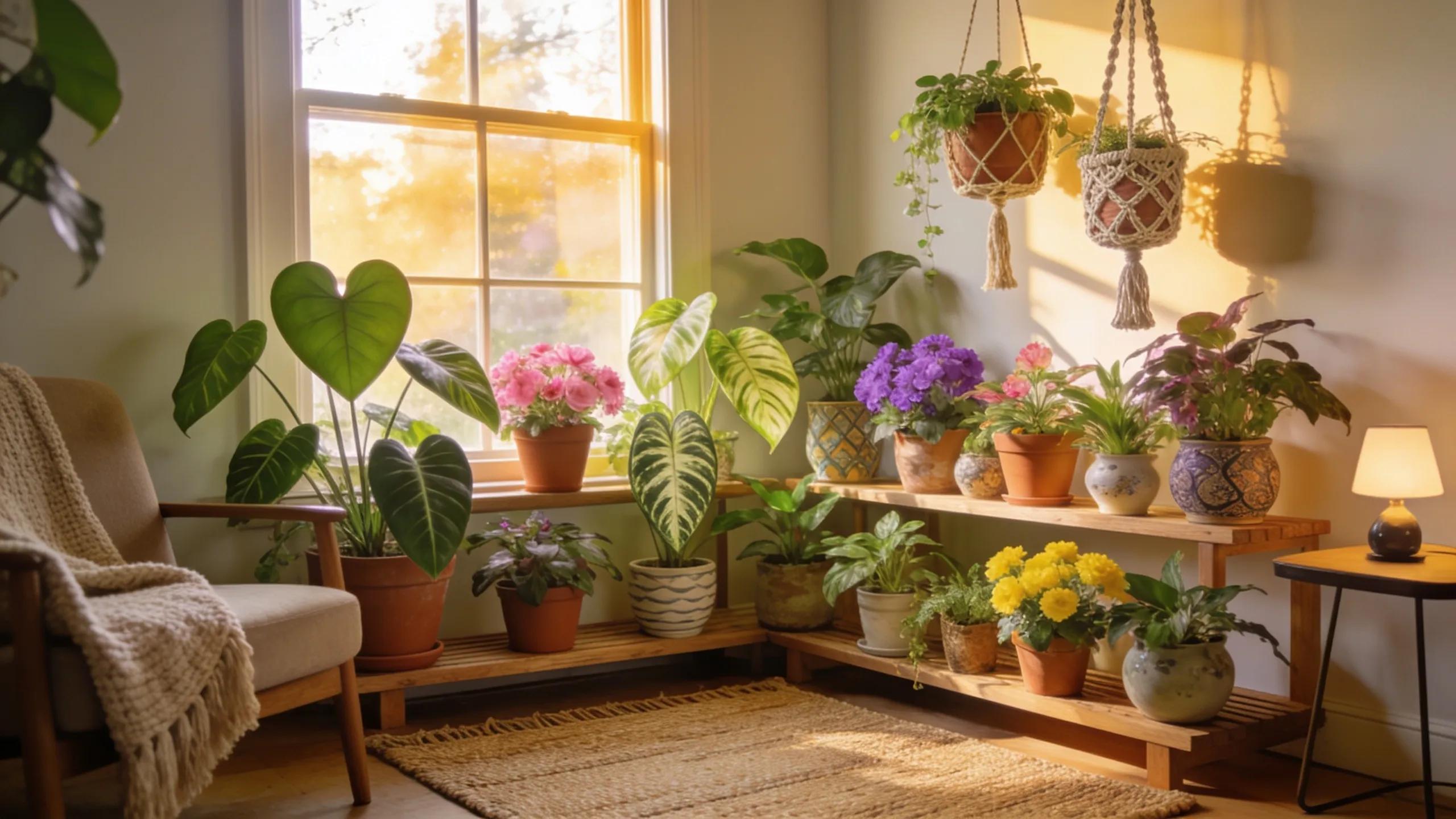
Houseplants provide beauty and serenity to indoor spaces, but they can also pose various challenges for caregivers. Understanding common houseplant problems is essential for nurturing healthy greenery within your home. This article serves as a comprehensive troubleshooting guide, detailing frequent issues such as pest infestations, root rot, and leaf discoloration. We aim to equip you with the knowledge and effective solutions to revitalize your plants and encourage their growth. By recognizing symptoms early, you can implement preventative measures, ensuring your houseplants thrive in optimal conditions. We will explore common problems, practical troubleshooting tips, and expert recommendations that cater to the unique needs of indoor plants.
Common Houseplant Problems
Houseplants are susceptible to a myriad of problems that can compromise their health and aesthetic appeal. The most prevalent issues include pest infestations, root rot, and leaf discoloration.
- Pest Infestations: Aphids, spider mites, and whiteflies are notorious pests that afflict houseplants. They extract nutrients and sap from leaves, leading to wilting and a decline in health.
- Root Rot: Overwatering is a primary cause of root rot, which occurs when roots become waterlogged and begin to decay, posing a severe threat to your plant's well-being.
- Leaf Discoloration: Changes in leaf color can indicate various problems, from inadequate watering to nutrient deficiencies. Yellowing leaves may point to overwatering or a lack of nitrogen, while browning could signify underwatering or nutrient burnout.
Recognizing these symptoms is the first step towards maintaining a vibrant indoor garden.
Troubleshooting Tips
Addressing houseplant issues starts with effective troubleshooting techniques. Here are several strategies to diagnose and mitigate common problems:
- Assess Watering Habits: Ensure that your plants are not sitting in water, which could cause root rot; always allow the soil to dry out slightly before the next watering.
- Inspect for Pests: Regularly check the undersides of leaves for pests and use insecticidal soap or neem oil as a natural remedy.
- Monitor Light Conditions: Different plants have specific light needs. Ensure you place your houseplants in appropriate lighting to prevent stress and promote healthy growth.
These troubleshooting methods can lead to early detection of problems, ultimately saving your plants from further decline.
Effective Solutions for Maintaining Healthy Plants
By implementing scheduled care routines and holistic health management techniques, you can enhance your plants' vitality. Here are essential practices to adopt:
- Proper Watering Techniques: Learn the appropriate watering schedule for your specific houseplants to prevent both over and under-watering.
- Soil Quality: Utilize high-quality, well-draining soil to support root health and prevent issues such as root rot.
- Regular Feeding: Fertilize with balanced nutrients throughout the growing season to address any nutritional deficiencies and promote growth.
For those seeking premium solutions for indoor plant care, Trendy Gardener specializes in design-led houseplant solutions that focus on addressing common houseplant problems effectively. By adhering to expert care tips, your indoor plants can flourish beautifully.
What Are the Most Common Indoor Plant Pest Issues and How Can They Be Controlled?
Indoor plants often face pest issues like spider mites and mealybugs. Spider mites leave webs on the leaves and cause discoloration, while mealybugs appear as cottony masses on stems.
To control these pests:
- Isolate the Infected Plant: Preventing the spread of pests to other plants is crucial.
- Use Pest Control Products: Insecticidal soap or horticultural oil can effectively eliminate these pests without harming the plant.
How Do Root Rot and Other Soil-Related Problems Affect Houseplants and What Are the Remedies?
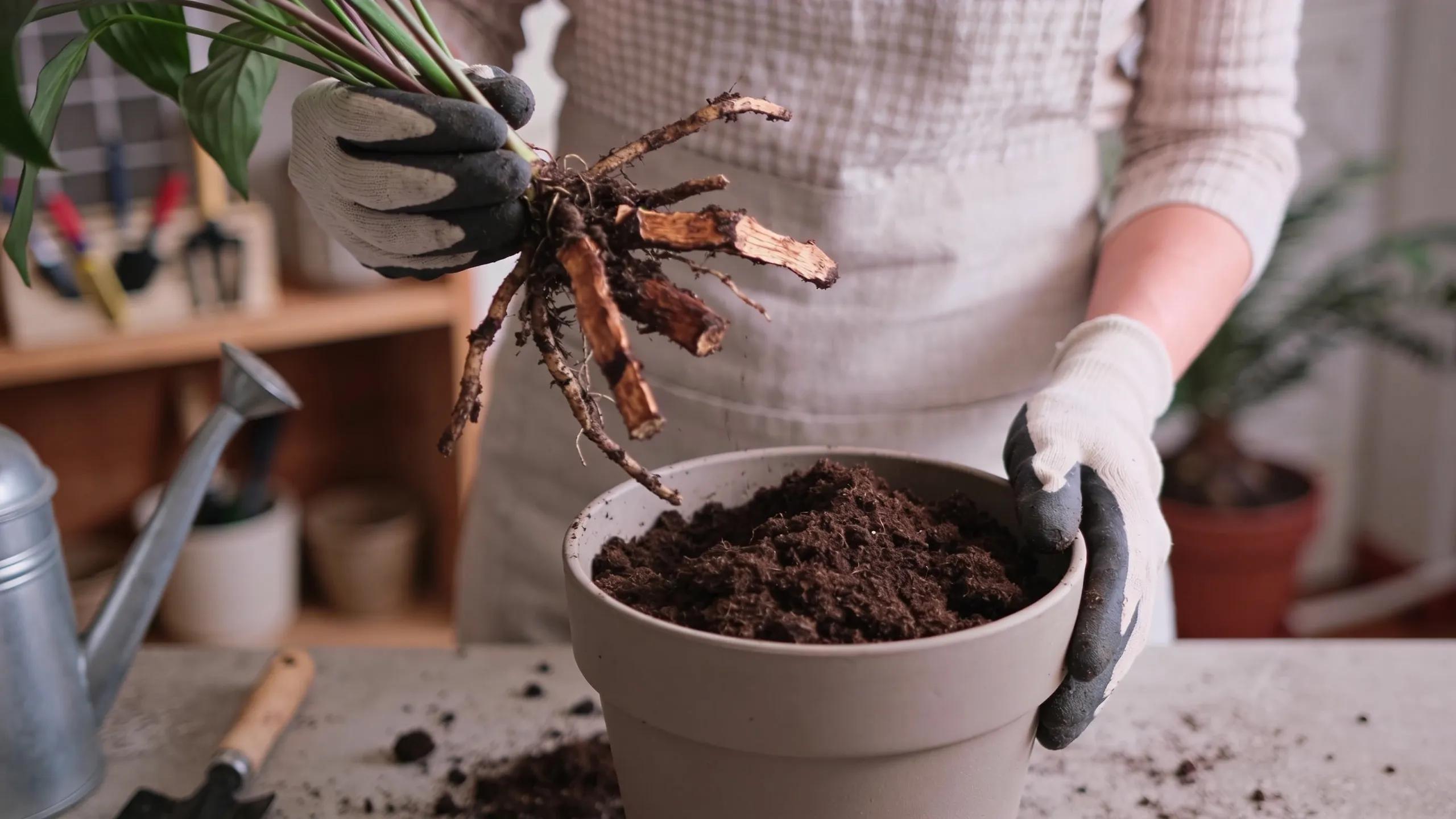
Root rot is caused by excessive moisture in the soil, leading to root decay. Signs include wilting, yellowing leaves, and a foul odor from the soil. To remedy root rot, remove the plant from its pot, trim off any black, mushy roots, and repot in fresh, dry soil.
Monitoring moisture levels and ensuring proper drainage will help prevent root rot from occurring in the future.
Beyond removing affected parts and repotting, another practical tip emphasizes the importance of managing excess water to prevent root rot.
Preventing Root Rot in Houseplants with Proper Watering Overflowing water can ruin your floor or carpet, and a plant sitting in water is at risk for root rot. A simple baster can help you prevent both of these problems. Growing Healthy Houseplants: Choose the Right Plant, Water Wisely, and Control Pests. A Storey BASICS® Title, 2014
What Causes Leaf Discoloration and How Can You Restore Plant Appearance?
Leaf discoloration can stem from several factors, including inadequate light, nutrient deficiencies, and improper watering. To restore plant appearance, evaluate the following:
- Environmental Factors: Ensure the plant receives the correct amount of light suitable for its species.
- Nutrient Management: Use a balanced fertilizer to address deficiencies, giving plants the necessary nutrients to recover their color.
How Do Watering Practices and Nutrient Deficiencies Influence Leaf Color Changes?
Watering practices directly affect a plant's health and appearance. For instance, overwatering often results in yellowing leaves, while drought conditions can cause browning.
Established in 2015, Trendy Gardener provides information and insights into plant care, helping individuals cultivate thriving indoor gardens. Establishing a consistent watering regime can promote balanced nutrient uptake and vibrant foliage. Additionally, regular soil testing can help ensure that your plants receive the relevant nutrients required for optimal growth.
Expert Advice
Gaining insights from horticultural experts can significantly enhance your houseplant maintenance practices.
- Seasonal Adjustments: Understanding the seasonal needs of your plants can impact their health dramatically. Adjust watering schedules and lighting conditions according to seasonal changes.
- Pest Prevention Strategies: Practicing good hygiene, like removing dead leaves and cleaning dust off leaves, can help deter pests from infesting your plants.
By implementing expert advice, you can create an environment where your indoor plants thrive.
How Do Environmental Stressors Impact Houseplant Health and What Solutions Are Available?
Environmental stressors such as inadequate humidity, insufficient light, and temperature fluctuations can adversely affect houseplants.
To mitigate their impact:
- Humidity Control: Maintain optimal humidity levels, potentially using a humidifier or pebble trays.
- Light Regulation: Use grow lights for plants requiring higher light intensity, especially during shorter daylight months.
How to Adjust Indoor Humidity, Lighting, and Temperature for Optimal Plant Wellness?
Adjusting humidity, lighting, and temperature is crucial for houseplant vitality:
- Humidity Levels: Delicate plants often thrive in higher humidity. Regular misting or using humidity trays can help achieve this.
- Lighting Conditions: Understand the light spectrum your plants require, using grow lights for supplemental illumination during low-light winters.
Utilizing these strategies ensures your plants remain healthy and vibrant.
What Design Strategies Incorporate Biophilic Specialization to Enhance Indoor Plant Resilience?
Biophilic design principles can enhance indoor plant resilience by integrating nature into urban environments. Implementing vertical gardens, incorporating a variety of plants for aesthetic contrast, and designing spaces with features that promote interaction with nature are all beneficial strategies.
Utilizing biophilic design can significantly improve both plant health and indoor air quality, creating a more serene atmosphere.
What Professional Consulting and Maintenance Services Does Trendy Gardener Offer for Sustained Plant Vitality?
Trendy Gardener offers a range of professional services to ensure sustained plant vitality. With tailored plant care consultations, they analyze individual plant needs, helping customers build maintenance routines that nurture their greenery effectively.
This personalized approach allows plants to flourish by adapting care strategies based on specific conditions, ensuring both aesthetic and health benefits for your indoor garden.
How Expert Consultations Provide Tailored Solutions for Complex Houseplant Problems
Expert consultations offer insights tailored to complex houseplant problems. By assessing various factors, including environmental conditions, pest management, and individual plant requirements, professionals can devise actionable strategies that bring distressed plants back to life.
Continual education on plant care allows for adapting practices to meet evolving needs.
What Are the Benefits of Professional Installation and Ongoing Maintenance for Lasting Plant Health?
Utilizing professional installation and maintenance services leads to numerous benefits, including:
- Expert Plant Selection: Professionals can help choose the best plants suited to your interior environment.
- Ongoing Care: Regular maintenance ensures plants receive proper care at the right time, reducing the risk of poor health.
- Aesthetic Design: Professionals can create stunning arrangements that enhance visual appeal while promoting optimal plant health.
Incorporating these services ultimately leads to a thriving indoor ecosystem.
| Common Issues | Symptoms | Recommended Solutions |
|---|---|---|
| Pest Infestations | Wilting leaves | Use insecticidal soap and regular monitoring |
| Root Rot | Foul smell | Allow soil to dry out, prune affected roots |
| Leaf Discoloration | Yellow/brown foliage | Adjust light conditions and fertilize |
This table summarizes essential information on common houseplant problems, symptoms, and effective solutions, providing quick reference for indoor plant caregivers.
Embracing knowledge about houseplant care empowers individuals to create lush, thriving indoor environments. By implementing practical solutions and expert insights, you can overcome typical obstacles and enjoy the beauty of healthy indoor plants.