

Effective Houseplant Insecticide Spray for Healthier Plants
Complete Guide to Houseplant Insecticide Spray for Effective Indoor Plant Pest Control
By [Hunter Frescoln](https://trendygardenclub.com/pages/about), Certified Horticulturist and Founder of Trendy Gardener
Healthy indoor plants can drastically improve your home's atmosphere, providing beauty and a sense of well-being. However, pests can threaten their health and vitality, creating a significant challenge for plant enthusiasts. This comprehensive guide will delve into houseplant insecticide sprays, exploring their benefits and how they effectively combat indoor plant pests. Readers will learn about various methods to manage pests, types of insecticide sprays available, safety precautions, application techniques, and best practices for maintaining healthy indoor plants. By understanding and properly addressing pest issues, individuals can ensure their indoor gardens thrive.
Comprehensive Guide on Houseplant Insecticide Spray
Houseplant insecticide sprays are designed to protect indoor plants from a range of pests that can cause damage and hinder growth. These sprays work by using various active ingredients, which either repel or kill pests upon contact. Safe application and choosing the right type of spray for your specific needs are crucial for maintaining your plants' health and longevity. Whether you're an amateur gardener or a seasoned plant parent, understanding how to effectively utilize insecticide sprays can enhance your indoor gardening experience.
Effective Methods for Indoor Plant Pest Control:
Managing pest infestations in indoor plants requires a combination of proactive measures and timely interventions. Here are effective methods to prevent and control pests:
Regular Inspections: Routinely examine your plants for early signs of pests or damage. This enables prompt action before infestations escalate.
Immediate Treatments: If pests are detected, use an appropriate insecticide spray immediately to manage the situation effectively.
Preventative Measures: Establish a routine care schedule that includes cleaning leaves, ensuring proper drainage, and monitoring humidity levels to create an environment less favorable for pests.
To enhance pest management strategies, consider exploring the array of insecticide products available from specialists. For home gardeners, choosing the right products can make a significant difference in pest control success.
Types of Insecticide Sprays Available:
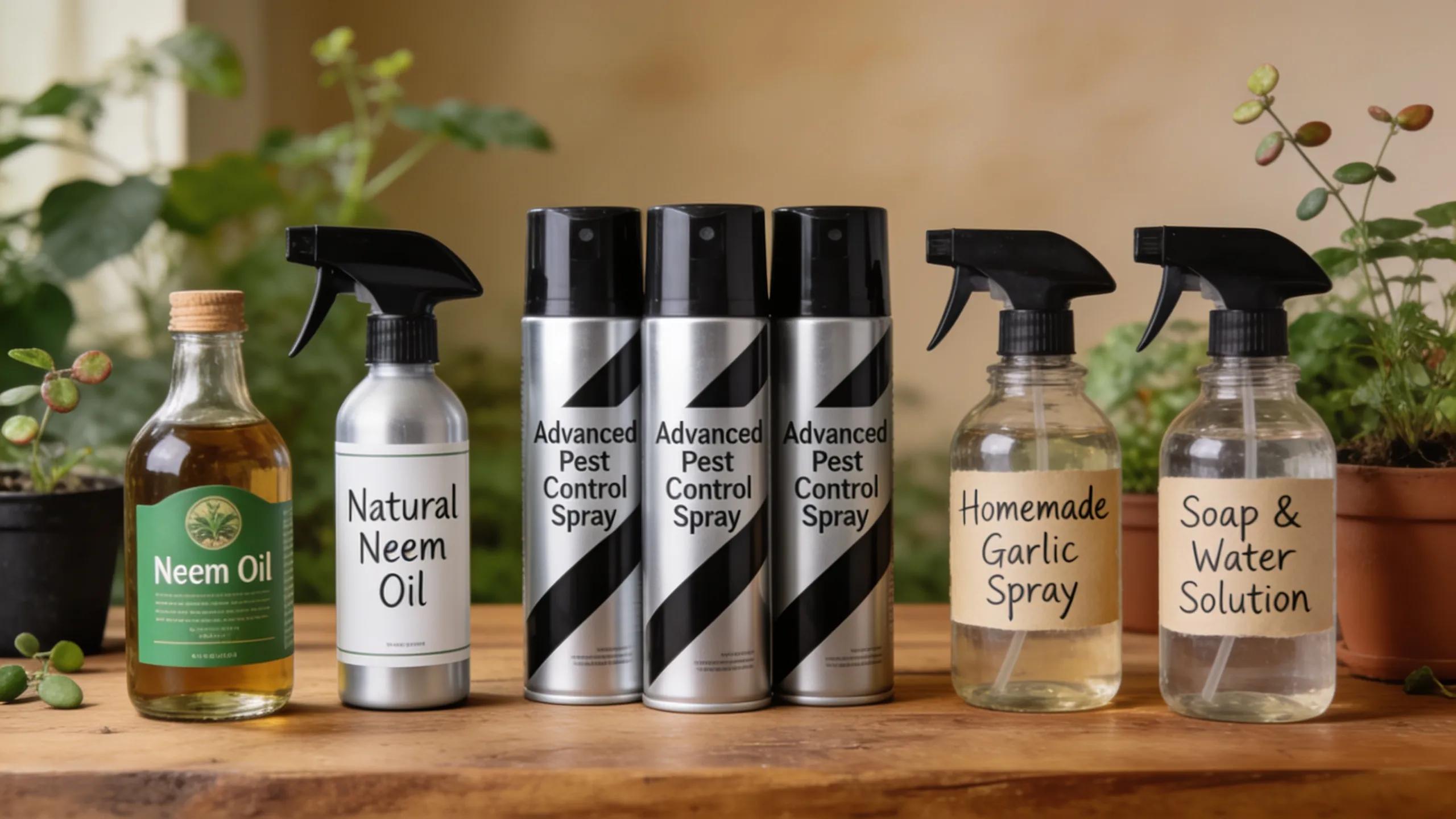
There is a myriad of insecticide sprays available for indoor plant care, each varying in formulation and effectiveness. Below are some common types:
Natural and Organic Sprays: Products like neem oil spray and insecticidal soap are derived from natural ingredients, making them safe for both the environment and your plants.
Chemical Sprays: These are synthetic insecticides that can offer powerful pest control but may have varying safety profiles.
Homemade Sprays: Many plant enthusiasts create their own mixtures, such as diluted soap or essential oil blends, to control pests safely.
Choosing the right insecticide spray should take into account the specific pest problem and the safety of your indoor environment.
Insecticide Type |
Active Ingredients |
Safety Profile |
|---|---|---|
Natural/Organic |
Neem oil, insecticidal soap |
Generally safe for plants and pets |
Chemical |
Pyrethroids, organophosphates |
May pose risks to humans/pets |
Homemade /DIY |
Soap solutions, essential oils |
Safety depends on ingredients |
This comparison highlights how various insecticides work and their associated safety profiles, guiding you in selecting the best option for your plants.
Safety Precautions:
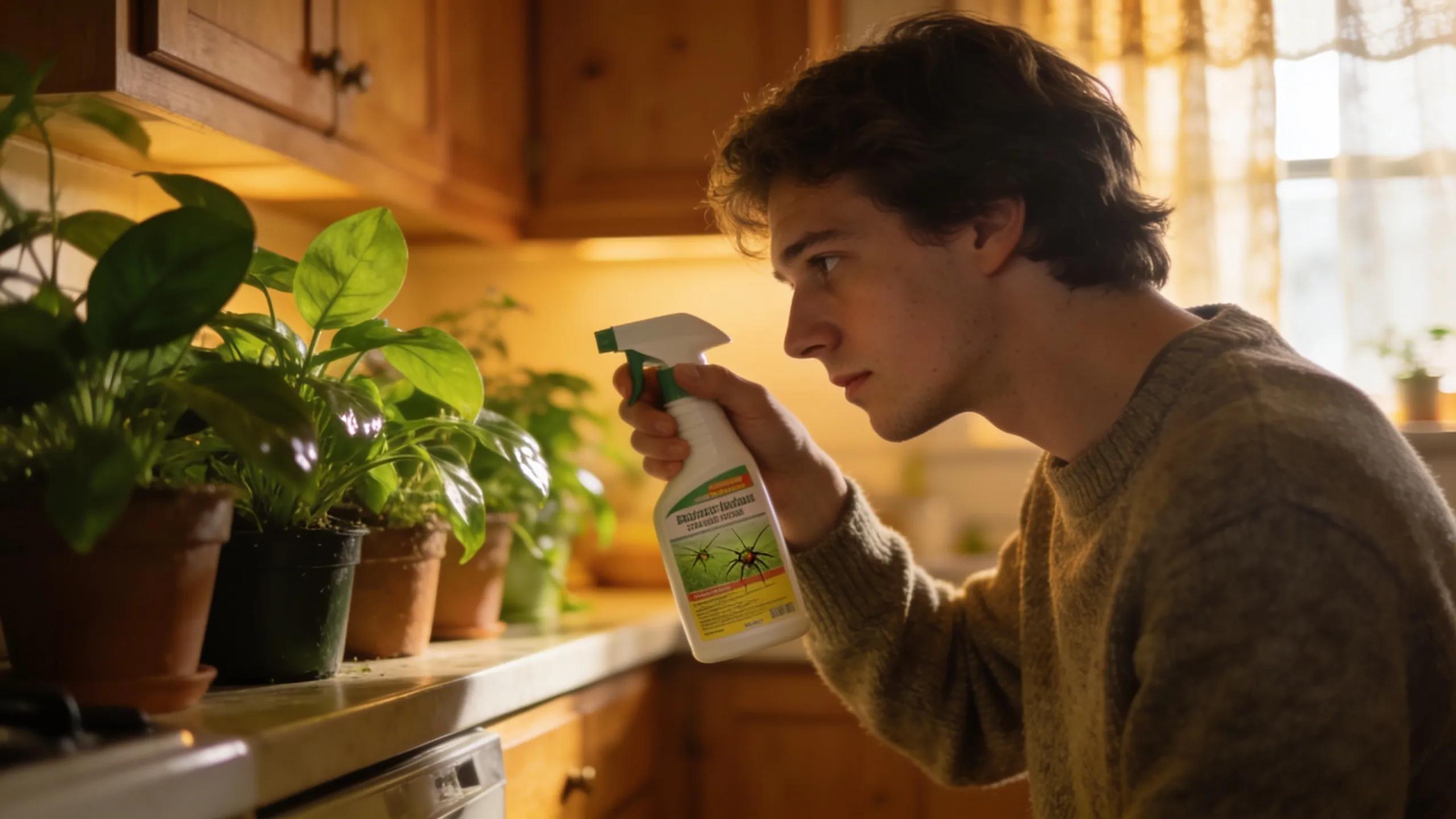
Using insecticide sprays safely is paramount for protecting both plants and household occupants. Consider the following precautions:
Read Labels Thoroughly: Always consult product labels for application instructions and safety warnings.
Test Sprays: Conduct a patch test on a small part of the plant first to ensure there are no adverse reactions.
Ensure Ventilation: When applying sprays, use in well-ventilated areas to minimize inhalation exposure.
Following these safety recommendations helps safeguard your plants and your home.
Application Techniques:
Effective application of insecticide sprays is critical for achieving desired pest control outcomes. Here are key techniques to consider:
Preparation: Properly mix your insecticide according to the label instructions to ensure effectiveness.
Focus on Leaf Undersides: Many pests inhabit the undersides of leaves; thorough coverage in these areas is essential.
Timing is Key: Apply insecticides early in the day or late in the afternoon to avoid sunburn on plants and maximize efficacy.
Utilizing these techniques can significantly improve the efficacy of your pest management efforts.
Which Common Pests Threaten Your Indoor Plants and How to Identify Them?
Indoor plants can be susceptible to various pests, each requiring specific identification techniques for effective management. Common pests include aphids, spider mites, and mealybugs. Identifying these pests early can prevent serious damage to plant health.
For example, aphids appear as small, often green insects on new growth, causing deformed leaves, while spider mites create fine webs on foliage, indicating a need for intervention.
What Are the Most Frequent Indoor Plant Pests Affecting Houseplants?
Houseplants frequently encounter pest interruptions, which can affect their health. These pests include:
Aphids: Small, soft-bodied insects that suck sap from plants, leading to stunted growth.
Spider Mites: Tiny pests that create webs and cause leaf discoloration and dropping.
Mealybugs: White, cotton-like clusters found in leaf joints that damage plants.
Recognizing these pests promptly is crucial for implementing effective treatment strategies.
How to Detect Pest Damage and Symptoms Early?
Detecting pest damage early can help mitigate substantial harm to your plants. Common signs include:
Discolored Leaves: Yellowing or browning can indicate a pest issue.
Webbing: Presence of fine webs typically signals a spider mite infestation.
Sticky Residue: Honeydew from pests like aphids can coat leaves, attracting further issues like sooty mold.
Regular monitoring and awareness of these symptoms can lead to timely treatment.
What Types of Houseplant Insecticide Sprays Are Available?
When considering insecticide sprays, it's essential to evaluate their characteristics. Each spray type brings benefits and challenges.
Botanical Sprays: Derived from plant extracts, these are often considered environmentally friendly.
Synthetic Insecticides: Highly effective but may come with safety concerns regarding human and pet exposure.
Home-Made Solutions: Utilizing household ingredients, although effectiveness varies.
These options provide a robust framework for managing pests while considering safety and effectiveness.
How Do Natural and Organic Insecticide Sprays Protect Indoor Plants Safely?
Natural insecticide sprays, such as those using neem oil, offer numerous advantages. They are typically safer for both plants and non-target species, including beneficial insects, pets, and humans. Their effectiveness often lies in disrupting the life cycles of pests, either deterring them or leading to their death upon contact. Moreover, organic sprays tend to have minimal environmental impact, making them a preferred choice for eco-conscious gardeners.
What Are the Advantages and Risks of Chemical versus Homemade Sprays?
The choice between chemical and homemade insecticide sprays involves weighing advantages and risks.
Effectiveness: Chemical sprays generally provide rapid results; however, they may carry risks associated with toxicity.
Safety Profiles: Homemade sprays tend to be safer but may require frequent application to achieve desired results.
Environmental Impact: Organic options are preferable for sustainability but may be less effective against severe infestations.
Understanding these dynamics enables informed choices in pest management.
How to Apply Insecticide Sprays Safely for Optimal Indoor Plant Health?
Applying insecticide sprays effectively is key to maintaining plant health. Follow these guidelines:
Thorough Coverage: Ensure all plant surfaces are treated including leaf undersides.
Dosage Adherence: Apply the exact amount recommended on the label to prevent harm to your plants.
Follow-up Care: Monitor plants after applications, looking for any adverse effects or signs of ongoing infestations.
Proper application is the cornerstone of effective pest control.
What Are the Best Practices for Applying Pest Control Sprays Indoors?
To maximize the benefits of pest control sprays, practicing proper methods is paramount. Here are a few best practices:
Regularly Monitor Pest Activity: Keep an eye on plants for signs of pest activity, ensuring you act swiftly when necessary.
Utilize At-Home Remedies: Consider complementary remedies such as introducing beneficial insects or using horticultural soap.
Establish Treatment Schedules: Create a routine for pest treatments to ensure proactive management.
Implementing these practices can significantly reduce infestation risks over time.
How to Prepare and Store Homemade Insecticide Spray for Future Use?
For those inclined to create homemade insecticidal sprays, proper preparation and storage are essential.
Gather Ingredients: Common components include soap, water, and essential oils.
Mix Solutions: Combine ingredients in proportion as recommended for optimal effectiveness.
Storage: Store solutions in a cool, dark place in a labeled spray bottle for safety and ease of use.
These steps ensure your homemade sprays maintain their potency and safety for extended periods.
How Does Pest Control Integration Enhance Premium Indoor Plant Maintenance?
Integrating pest control strategies into regular indoor plant care is vital.
Comprehensive Maintenance: Including pest control in your routine allows for sustained plant health and aesthetics.
Enhanced Plant Appearance: Regular treatments can significantly improve overall plant vigor and appearance.
Client Insights: Communication with plant care professionals, such as those at Trendy Gardener, can offer tailored strategies for pest management.
These insights demonstrate the interconnected impact of maintenance practices on plant health.
What Consultation and Maintenance Services Does Trendy Gardener Provide for Pest Management?
Trendy Gardener specializes in a range of consultation and maintenance services tailored to address indoor plant care challenges. These include:
Pest Management Consultation: Expert advice on preventive measures and treatment options for ongoing pest issues.
Routine Maintenance Services: Regular plant evaluations to identify potential pest activities early.
Tailored Strategies: Custom plans to enhance plant health while addressing unique indoor environments.
These services provide valuable support for maintaining a thriving indoor garden.
How Does Regular Pest Treatment Improve Plant Appearance and Longevity?
Consistent pest management practices contribute immensely to the health and vitality of indoor plants.
Improved Visual Appeal: Healthy plants exhibit vibrant leaves and robust growth, creating an attractive indoor environment.
Enhanced Longevity: Regular treatments can lead to prolonged plant life, minimizing costly replacements.
Holistic Plant Care: Integrating pest control within overall care strategies ensures plants receive the comprehensive attention they require.
Engaging in regular pest treatment is crucial for maximizing the benefits of indoor plant care.
What Are Frequently Asked Questions About Houseplant Insecticide Sprays?
Houseplant insecticide sprays raise multiple concerns among gardening enthusiasts. Some common questions include:
What ingredients should I avoid in sprays? Certain chemicals can be harmful to pets and beneficial insects, so reading labels is essential.
How often should I apply these sprays? Frequency can depend on the severity of an infestation but generally ranges from every few days to once every two weeks.
Are homemade sprays effective against all pests? While some pests can be managed with homemade solutions, stronger infestations may require professional-grade insecticides.
These FAQs provide a foundational understanding of insecticide sprays, equipping gardeners with the knowledge they need to make informed decisions.
Are Natural Insecticide Sprays Safe for Pets and Children?
When using natural insecticide sprays, safety is a primary concern.
Ingredient Safety: Ingredients like neem oil and insecticidal soaps are typically safe for pets and children when used according to guidelines.
Application Caution: Ensure pets and children are kept away from treated areas until sprays have dried.
Environmental Concerns: Organic ingredients often have fewer environmental impacts, making them preferable for households with pets and children.
Awareness of these safety considerations will allow for a responsible approach to pest management.
Can I Use Homemade Sprays Effectively Against All Indoor Plant Pests?
Homemade solutions can be effective against various indoor plant pests, but their success often depends on the formulation.
Common Ingredients: Soap and oils can deter pests effectively when applied correctly.
Effectiveness: Some pests, like aphids, may respond well to homemade mixtures; however, others may require more potent options.
Best Practices: Utilize homemade sprays in proactive care but be aware of their limits and challenges.
By understanding their potential and limitations, gardeners can make informed choices regarding pest control.
About the Author
[Hunter Frescoln](https://trendygardenclub.com/pages/about) is a professional designer with over 12 years of experience specializing in interior plantscaping, biophilic design, and commercial and residential indoor plant care. As Founder and Lead Horticulturist of Trendy Gardener, Hunter applies a systems-based approach to plant health, treating pest management and maintenance as integrated parts of a well-designed indoor environment rather than an afterthought.
Before founding Trendy Gardener, Hunter built a career in high-end residential design, serving as a Lead Kitchen and Bath Designer and Head of Residential Design — a background that shaped a deep understanding of how materials, lighting, and long-term use affect the success of interior spaces, including the plants within them. Today, Hunter and the Trendy Gardener team develop and supervise plant care and pest management programs for homes and businesses throughout the Des Moines metro, combining scientific plant biology with practical, real-world design experience.
Learn more about Hunter Frescoln and Trendy Gardener's story and mission →