

Waukee Interior Plantscaping Services
Waukee Interior Plantscaping Services: Expert Plant Installation, Maintenance, and Design Solutions
By Hunter Frescoln, Trendy Gardener
Plantscaping goes beyond decoration; it creates sustainable, living interiors that support occupant well‑being. In Waukee, homeowners, businesses, and architects increasingly specify interior plantscaping. This guide explains the core elements—professional installation, tailored maintenance, and design strategies—that elevate indoor natural beauty and improve quality of life.
This article focuses on the benefits and processes of interior plantscaping, detailing how greenery enhances both residential and commercial environments. The following sections cover installation methods, maintenance models, and design considerations specific to the Waukee area.
Key Takeaways
- Interior plantscaping in Waukee enhances indoor environments by improving aesthetics, air quality, and occupant well-being.
- Expert plant installation involves site assessment, plant selection, and professional placement tailored to specific environmental conditions.
- Maintenance solutions include regular care routines and customizable plans to sustain plant health and longevity.
- Design strategies integrate plants with architectural features to create cohesive, visually appealing, and functional indoor spaces.
- Common installation types include potted arrangements, living walls, and hanging displays, each offering unique benefits.
- Professional plantscaping in offices boosts employee morale, reduces sick days, and creates positive client impressions.
- Recommended sustainable plants for Waukee interiors include snake plants, ZZ plants, and pothos for low-maintenance care.
- Tailored maintenance plans and routine care practices optimize plant health, appearance, and operational reliability.
- Case studies and client testimonials demonstrate the effectiveness and quality of Waukee interior plantscaping services.
Expert Plant Installation
Expert plant installation applies design direction and species selection to maximise both environmental and visual performance. The service begins with a structured consultation to assess light, humidity, and the desired atmosphere, ensuring installations support long‑term plant health and interior quality.
The installation process typically follows these steps:
- Site Assessment: Evaluating the location's environmental conditions.
- Plant Selection: Choosing appropriate plants based on aesthetic and ecological needs.
- Professional Placement: Arranging plants to complement architectural features and design.
Following these steps ensures plants thrive and contribute measurable value to the indoor environment.
Types of Installations
Different installation types offer distinct outcomes for interior spaces. Common options include:
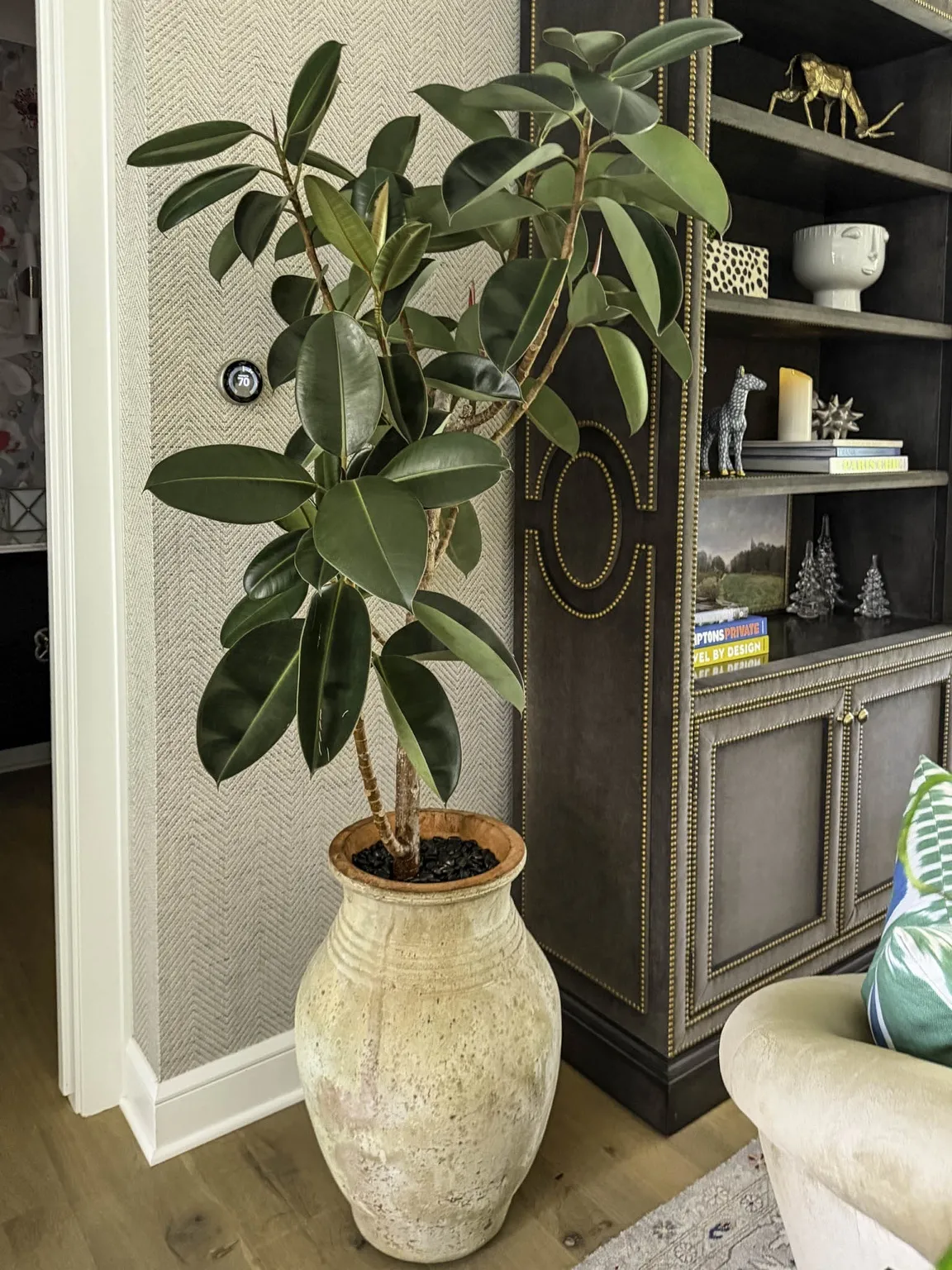
- Potted Plant Arrangements: Versatile and easy to maintain, these can be positioned anywhere to brighten a space.
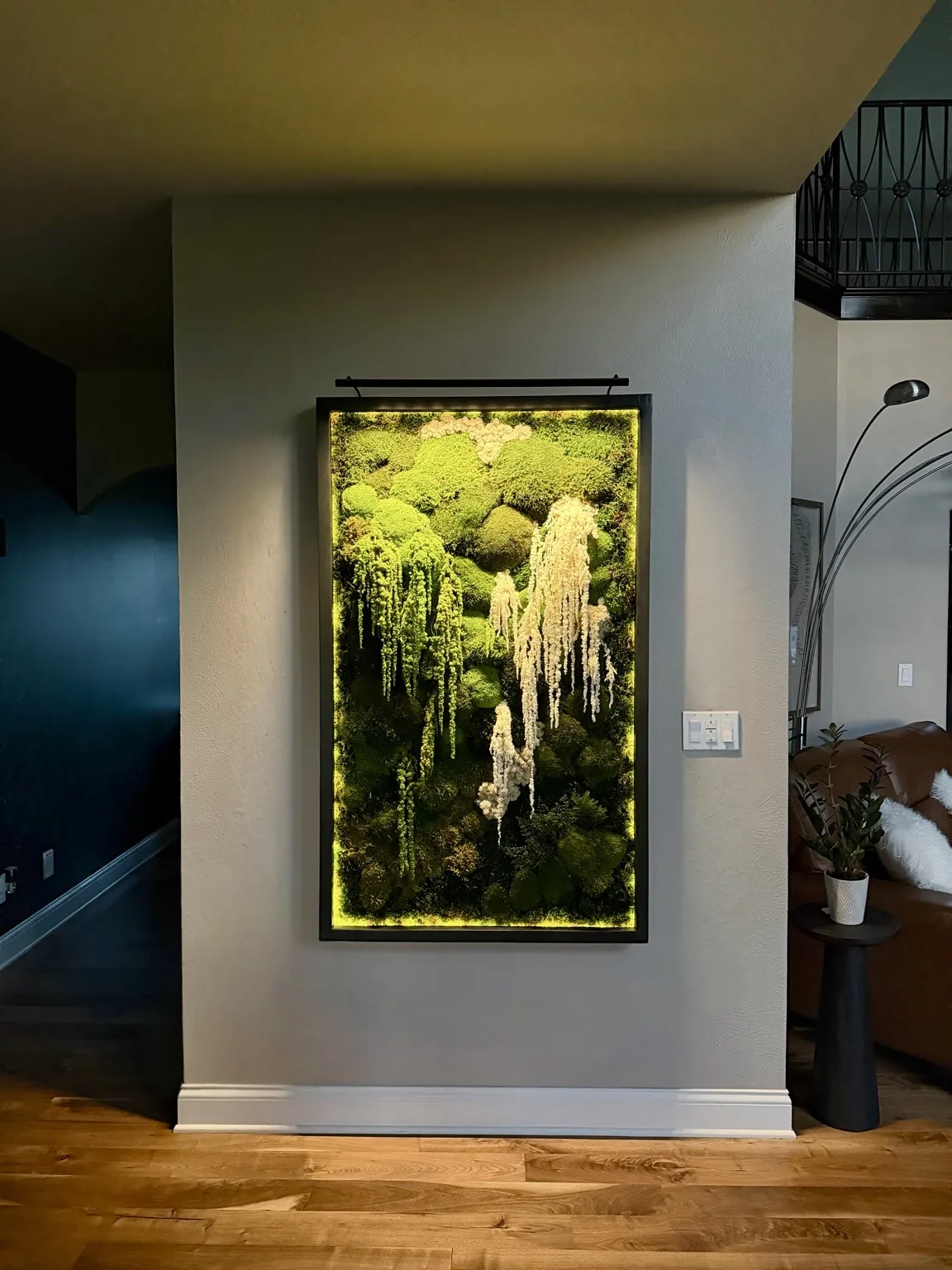
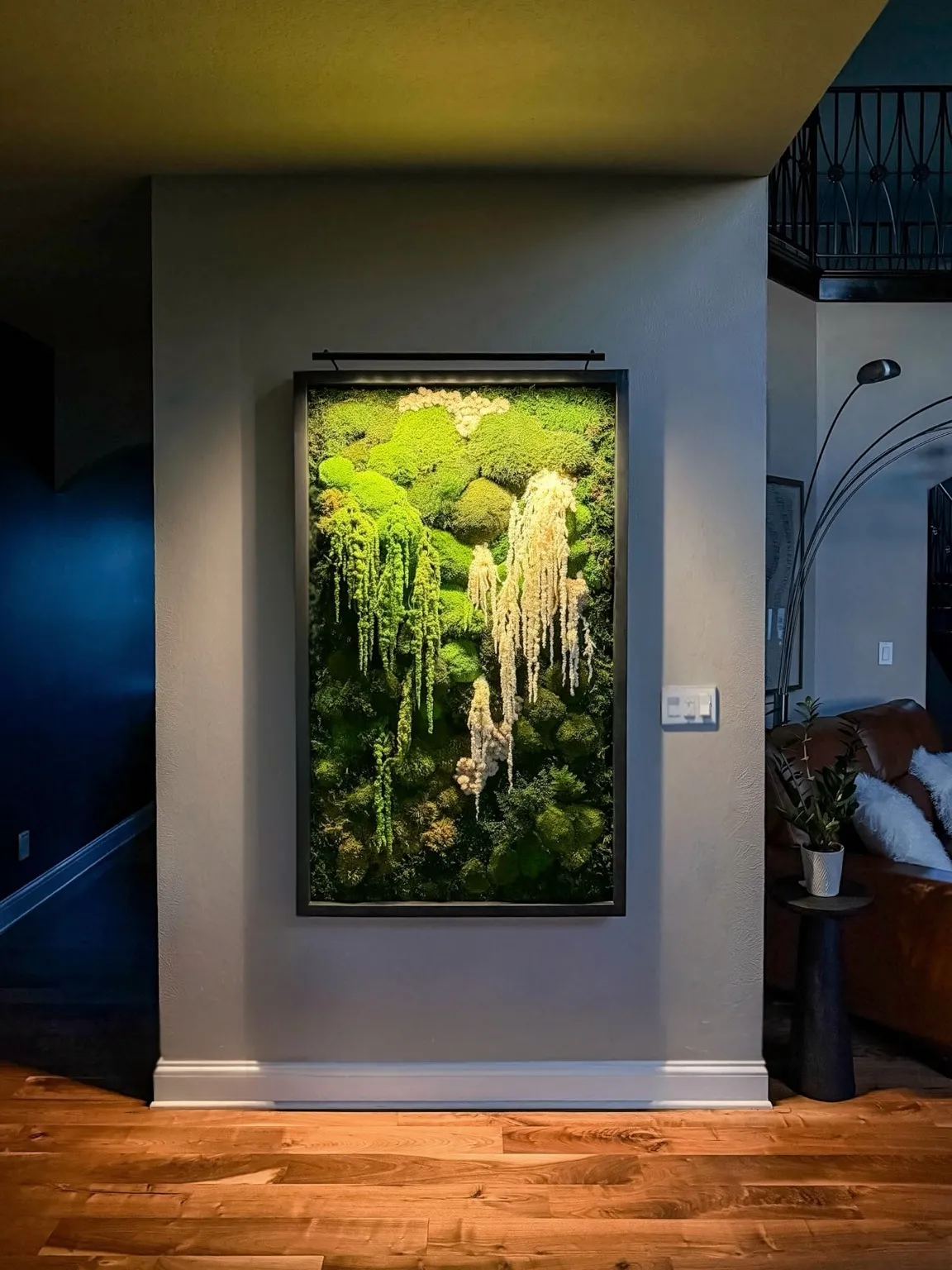
- Living Walls: Vertical gardens that promote biophilic design, they serve as both art and air purifiers.
- Hanging Plant Displays: Adding a dynamic element, these installations save space while providing visual interest.
Each installation approach carries specific advantages and considerations, enabling a tailored solution that matches client objectives and site constraints.
Maintenance Solutions
Attractive plants require consistent care to remain vibrant. Effective maintenance prevents decline and preserves the appearance and performance of interior greenery over time.
A maintenance program typically includes:
- Regular Care Routines: Scheduled watering, pruning, and fertilizing to encourage growth.
- Customizable Maintenance Plans: Tailoring care based on plant types and client preferences.
- Benefits of Ongoing Maintenance: Reducing plant stress and preventing health issues contributes to long-term sustainability.
Assigning routine tasks to qualified staff ensures consistent, ongoing plant health management and reliable presentation.
How Are Maintenance Contracts Tailored to Customer Needs and Plant Types?
Maintenance contracts are customised to the plant species and the client’s operational needs. Typical inclusions are:
- Seasonal Adjustments: Modifying care to accommodate changing climates and plant needs.
- Client Engagement: Involving clients in care strategies to ensure satisfaction and active participation.
- Cost Consideration: Various pricing models may align with client budgeting, offering flexibility in service options.
Customised contracts give clients confidence that their interior greenery is managed to professional standards.
Design Strategies
Plantscaping design integrates vegetation into interiors to enhance aesthetics and functional use. Effective design balances light, plant selection, placement, and the broader design theme to achieve cohesive results.
Key considerations for successful plant integration include:
- Consultation Process: Ensuring open lines of communication with clients regarding their vision and preferences.
- Placement Considerations: Recognizing where plants can thrive while enhancing a room's visual appeal.
- Aesthetic Integration: Aligning the plant’s aesthetics with the overall design style of the space.
This strategic approach produces interiors that look refined and support occupant well‑being through thoughtfully applied biophilic design.
Types of Solutions
Waukee homeowners and businesses can choose from a range of interior plantscaping solutions tailored to specific needs. These options are designed to enhance comfort and workplace performance.
- Potted Plant Arrangements: An easy-to-manage solution, they add greenery without major alterations.
- Living Walls: Ideal for promoting biophilic design while maximizing vertical space.
- Custom Planter Boxes: Designed to complement the interior's decor while providing ample space for plant roots.
These solutions serve practical goals—from improving air quality to lifting occupant mood and motivation—while fitting the site and aesthetic requirements.
Benefits of Interior Plantscaping
Indoor plants deliver measurable benefits: improved air quality, better focus and productivity, and reduced stress. These outcomes support both physical health and mental well‑being.
The primary benefits of interior plantscaping include:
- Improved Air Quality: Plants naturally filter toxins and increase oxygen levels, creating a healthier environment.
- Reduction in Stress: Natural elements have been shown to alleviate anxiety and foster calm, enhancing overall well-being.
- Enhanced Overall Productivity: Greener environments promote creativity and concentration, contributing to improved performance.
Recognising these benefits clarifies why professional plantscaping is a strategic investment for homes and businesses.
What Are Interior Plantscaping Services and Their Benefits in Waukee?
Interior plantscaping services deliver a coordinated approach to adding plant life to residential and commercial interiors. Services typically include consultation, design, installation, and scheduled maintenance tailored to local conditions and client goals.
The Mechanism Behind Interior Plantscaping
Introducing the right plants into an interior improves both appearance and function. Careful species selection and placement create atmospheres that encourage relaxation, creativity, and collaboration.
Value to Waukee Residents and Businesses
Waukee clients benefit from custom solutions that complement local architecture and enhance daily life. Collaborating with specialists ensures interiors reflect personal or brand style while leveraging plants’ functional properties.
How Does Interior Plantscaping Enhance Residential and Commercial Spaces?
Plantscaping revitalises spaces through improved aesthetics, health benefits, and functional enhancements. Adding greenery makes residential and commercial areas more welcoming and comfortable for occupants and visitors.
- Aesthetic Improvements: Plants naturally complement and enhance architectural features, making spaces visually appealing.
- Health Benefits: Improved air quality contributes to better respiratory health and overall wellness.
- Psychological Well-Being: Exposure to greenery has been shown to enhance mood and reduce stress.
Taken together, these effects demonstrate the broad impact plants can have on interior environments.
What Are the Key Advantages of Professional Plantscaping in Office Environments?
Professional plantscaping in offices enhances visual appeal and supports employee well‑being, which in turn can improve productivity and workplace satisfaction.
- Impact on Employee Morale: Greenery fosters a relaxed, pleasant atmosphere that can boost morale and satisfaction.
- Reduction of Sick Days: Healthier working environments lead to fewer ailments and increased well-being among employees.
- Positive Client Impressions: Visually appealing offices create a favorable first impression on visitors and clients, elevating company image.
Incorporating these elements can yield a tangible return on investment through improved organisational performance and employee engagement.
How Do Waukee Experts Approach Interior Plant Consultation and Custom Design?
Waukee plantscaping professionals prioritise a clear understanding of each client’s needs during consultation, combining site assessment with collaborative planning to deliver the intended outcome.
- Assessment and Goal-Setting: Engaging clients to determine their vision and expectations for plant integration.
- Tailored Plant Selection: Choosing plants that not only fit the aesthetic but also thrive in the proposed location.
- Client Engagement Strategies: Ensuring clients feel involved and invested in the design process fosters satisfaction and long-term success.
This collaborative process ensures plantscaping solutions align with client objectives and environmental constraints.
What Is the Process for Tailored Interior Plant Design Aligned With Architecture?
Creating tailored plant designs requires careful attention to architectural features and site conditions so plantings enhance both form and function.
- Full Process Overview: Starting from consultation to installation, and maintenance, every aspect is meticulously planned.
- Design Philosophy: The design integrates plant life into existing architectural motifs to create cohesive spatial experiences.
- Examples of Design Integration: Successful installations reflect a harmonious blend of greenery and surrounding architecture, beautifully enhancing the indoor setting.
This integrated approach produces personalised results that elevate interiors while supporting plant longevity.
Which Sustainable and Low-Maintenance Plants Are Recommended for Waukee Interiors?
Selecting suitable species is central to successful interiorscaping in Waukee. Recommended low-maintenance, sustainable choices include the following:
- Snake Plants: Known for their air-purifying capabilities and resilience in low-light conditions.
- ZZ Plants: Ideal for areas with minimal natural light, they thrive with little water.
- Pothos: Easy to propagate and maintain, these plants are attractive and adaptable.
These species reduce maintenance demands while delivering reliable aesthetic and environmental benefits.
What Are Best Practices for Live Plant Installation Services in Waukee and DSM055?
Adhering to best practices during installation underpins plant longevity and appearance. Clear protocols help professionals deliver consistent results across projects.
- Site Assessment Importance: Understanding the environmental conditions of a space is critical for successful installation outcomes.
- Professional Execution: Using experienced professionals for installation promotes plant health and decorum.
- Ensuring Long-Term Health: Proper installation techniques focus on individual plant needs for sustainability.
These practices emphasise careful planning and skilled execution to keep interiors thriving.
How Is Professional Installation Ensured for Residential and Commercial Interiors?
Professional installation is essential to integrate plants successfully across residential and commercial settings, preserving both health and design intent.
- Installation Techniques: Utilizing proper techniques ensures plants are correctly positioned for optimal growth.
- Safety Considerations: Professionals prioritize safety during installation to mitigate risks for teams and surrounding environments.
- Post-Installation Checks: Routine evaluations follow the installation to ensure plants adapt well to their new environments.
This professional standard applies across both home and commercial installations, ensuring consistent quality and performance.
Which Interior Plant Maintenance Plans Support Long-Term Operational Reliability in Waukee?
Well‑structured maintenance plans are key to sustaining interior plants in Waukee. Plans can be customised to match client priorities and plant requirements.
- Regular Maintenance Schedules: Establishing a routine for care promotes plant health and aesthetic appeal.
- Custom Packages: Offering services based on plant types ensures specialized care.
- Benefits for Plant Health: Proper maintenance leads to vibrant growth and longevity, enhancing the overall environment.
Delivering these services consistently builds client confidence in their plant programs.
What Routine Care Practices Optimize Plant Health and Appearance?
Routine care practices are essential to optimise growth and maintain presentation. Implementing standard procedures keeps plants performing well.
- Watering Techniques: Proper watering, informed by plant needs, is crucial for thriving plants.
- Pest Management: Regular evaluations for pests help mitigate risks before they become serious issues.
- Cleaning and Pruning: Routine cleaning and pruning enhance plant aesthetics and health.
Consistent application of these practices keeps interior plantings attractive and resilient.
How Do Case Studies and Client Testimonials Demonstrate Quality in Waukee Plantscaping?
Case studies and client feedback provide concrete evidence of project outcomes and service quality, reinforcing confidence in plantscaping solutions.
- Results from Projects: Significant transformations of spaces due to expert plantscaping reveal the effectiveness of tailored services.
- Client Feedback: Positive testimonials underscore the benefits experienced by homeowners and businesses alike.
- Visual Evidence: Example photos illustrate successful implementations, inspiring prospective clients about potential outcomes.
Together, these elements validate the effectiveness and craftsmanship of interior plantscaping services in Waukee.
How Much Do Interior Plantscaping Services Typically Cost in Waukee?
Pricing for interior plantscaping in Waukee varies with project scope and client requirements. Cost drivers include:
- Consultation Fees: Fees incurred for initial assessments and design planning.
- Maintenance Costs: Ongoing maintenance charges can vary based on services selected.
- Customization Impact on Pricing: Personalized plans may affect overall pricing, reflecting the level of service and care required.
Reviewing these factors helps clients make informed decisions about their plantscaping investment.
What Are Waukee’s Top Indoor Plants for Various Interior Conditions?
Selecting appropriate plants for specific conditions is critical to success. Recommended choices include:
- Low Light Conditions: Snake Plants are perfect for dimly lit areas due to their adaptability.
- High Humidity Areas: Boston Ferns thrive in moist environments, adding lush greenery.
- Direct Sunlight: Succulents flourish in bright spaces, offering a vibrant touch.
Frequently Asked Questions
1. What factors should I consider when designing an interior plantscape?
Consider light levels, humidity, and temperature when designing an interior plantscape. Evaluate existing décor and colour schemes so plants complement the space. Match plant maintenance needs and growth patterns to the environment, and in commercial settings align selections with brand image to maximise effectiveness.
2. How can I ensure longevity for my interior plants?
Establish a structured care routine that includes correct watering, timely fertilisation, and pest monitoring. Choose low‑maintenance species such as snake plants or ZZ plants for simpler upkeep. Periodic light assessments and strategic pruning and cleaning will sustain both health and appearance.
3. Are there benefits to using living walls in interior plantscaping?
Living walls maximise vertical space and contribute to improved indoor air quality by filtering pollutants. They provide a strong visual focal point and reinforce biophilic design, while also helping moderate indoor humidity in appropriate settings.
4. How do seasonal changes affect plant care in interior spaces?
Seasonal shifts alter care requirements: plants typically need less water during winter when growth slows, and increased moisture and nutrients in spring and summer. Light levels near windows change with the seasons, so monitor exposure and adjust placement as needed to maintain optimal conditions.
5. What are some common mistakes to avoid in interior plantscaping?
Common errors include overwatering or underwatering, selecting plants unsuited to available light, neglecting a maintenance schedule, and overcrowding. A balanced approach to species selection, placement, and ongoing care prevents these issues and improves outcomes.
6. What role do plants play in enhancing workplace productivity?
Plants improve air quality, which can reduce fatigue and support concentration. Greenery also reduces stress and creates more pleasant, creative work environments, boosting employee satisfaction and creating positive impressions for visitors.
7. How can I incorporate plants in a way that reflects my brand identity?
Choose species and arrangements that reflect your brand values and aesthetic. A sustainability‑focused brand may prioritise native or low‑maintenance plants, while a premium brand might select distinctive, high‑quality specimens. Place plants in strategic focal areas and involve staff in care to reinforce company culture.
Conclusion
Integrating indoor plants in Waukee transforms interiors by improving aesthetics, air quality, and occupant well‑being. These outcomes create healthier, more inviting homes and workplaces and demonstrate the value of professional plantscaping. To explore plantscaping options that align with your design and operational needs, contact our expert team. The right interior plant solutions deliver vibrant, welcoming spaces that reflect your style.