

What is a plant gifting program and how it benefits you
Many people assume plant gifting programs are simply one-time deliveries of potted greenery. In reality, these programs encompass comprehensive services including expert consultation, curated plant selection, professional installation, and ongoing maintenance spanning 6 to 12 months or longer. For homeowners and corporate decision-makers in Iowa seeking to elevate their spaces through biophilic design, understanding the full lifecycle and strategic value of plant gifting programs is essential to maximizing wellbeing, aesthetic appeal, and environmental quality.
Table of Contents
- Understanding Plant Gifting Programs: Definition And Scope
- How Plant Gifting Supports Biophilic Design Principles
- Benefits Of Plant Gifting Programs For Corporate And Residential Environments
- The Lifecycle Of A Premium Plant Gifting Program: From Consultation To Maintenance
- Common Misconceptions About Plant Gifting Programs
- Comparing Plant Gifting To Leasing And Selling: A Practical Framework
- Applying A Plant Gifting Program To Elevate Your Space: Next Steps For Iowa Homeowners And Corporates
- Enhance Your Space With Trendy Gardener’s Premium Plant Gifting Programs
Key takeaways
| Point | Details |
|---|---|
| Comprehensive service model | Plant gifting programs provide curated plants plus consultation, delivery, installation, and ongoing care, not just a one-time gift. |
| Biophilic design alignment | Programs strategically integrate plants to reduce stress by up to 37% and improve indoor air quality. |
| Quantified benefits | Corporate offices see 15% higher employee satisfaction, while homeowners experience 25% greater tranquility. |
| Full lifecycle support | Services span consultation, expert curation, installation, and scheduled maintenance over 6 to 12 months. |
| Selection criteria | Match plants to space light, maintenance capacity, and aesthetic goals for lasting impact. |
Understanding plant gifting programs: definition and scope
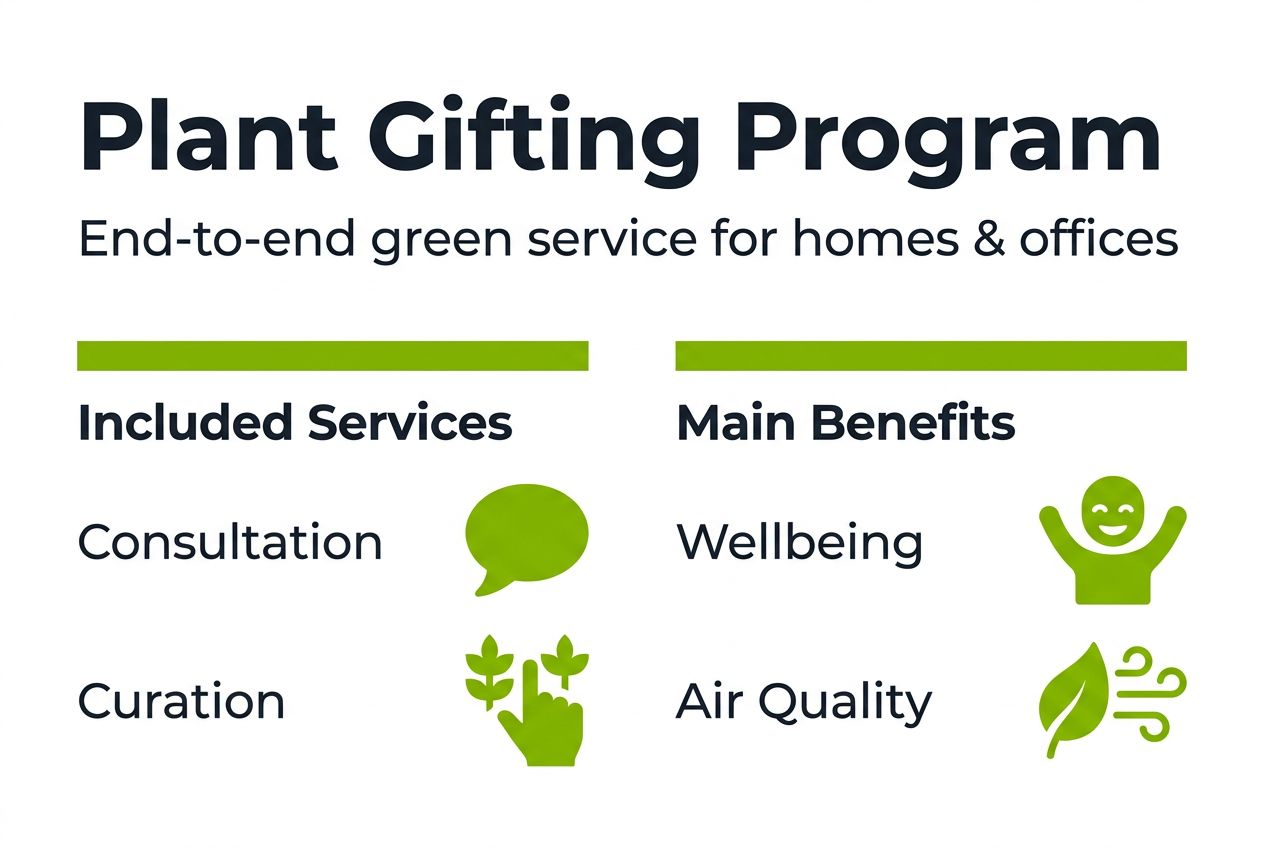
Plant gifting programs represent end-to-end services designed to bring curated living greenery into homes and offices. Unlike a simple plant purchase, these programs include professional consultation to assess your space, expert plant selection matched to your environment, delivery and installation by trained specialists, and ongoing maintenance to ensure plants thrive over time. This comprehensive approach typically spans 6 to 12 months, covering the full lifecycle of plant health and design cohesion.
Both homeowners seeking to elevate their residential interiors and corporate clients aiming to enhance workplace environments can customize plant selections to suit their unique space, style, and functional requirements. The program model ensures plants do not simply survive but actively contribute to the aesthetic and environmental quality of your space. Rather than treating plants as disposable décor, gifting programs position them as strategic assets within biophilic design principles that connect occupants with nature indoors.
Key components of plant gifting programs include:
- Initial consultation assessing space characteristics, light levels, and design preferences
- Expert curation of plant species suited to your environment and maintenance capacity
- Professional delivery and installation ensuring optimal placement for health and aesthetics
- Scheduled maintenance visits providing watering, pruning, fertilization, and health monitoring
- Long-term support contracts extending care beyond the initial program period
This holistic service model differentiates plant gifting programs from simple retail purchases or leasing arrangements. By integrating consultation, design expertise, and ongoing care, programs deliver sustainable improvements to indoor environments. For those exploring comprehensive plant care solutions, consider reviewing this expert guide to plant care programs to understand service options in depth.
How plant gifting supports biophilic design principles
Biophilic design aims to reconnect people with nature within built environments, improving both psychological and physical health outcomes. Plant gifting programs strategically implement this design philosophy by placing curated plants throughout residential and commercial spaces to maximize contact with living greenery. Research demonstrates that indoor plants reduce stress by up to 37% while simultaneously removing 20 to 30% of airborne toxins, creating measurably healthier indoor environments.
The integration of plants through gifting programs addresses multiple biophilic design objectives simultaneously. Plants enhance air quality by filtering volatile organic compounds and pollutants, a benefit particularly critical in office environments where indoor air quality directly impacts productivity and employee wellness. The visual presence of greenery also provides psychological benefits, reducing mental fatigue and promoting feelings of calm and connection to nature.
“The strategic placement of plants within interior spaces creates microclimates that support occupant wellbeing while elevating aesthetic appeal through natural textures, colors, and forms.”
These benefits apply distinctly across both corporate and residential settings, though implementation strategies differ. Corporate spaces typically emphasize productivity enhancement and employee satisfaction, while residential applications focus on comfort, tranquility, and personal aesthetic expression. Plant gifting programs tailor species selection, placement, and care schedules to these different priorities while maintaining the core biophilic design objective of strengthening human-nature connections indoors.
For deeper exploration of how plants function within commercial environments specifically, the role of plants in commercial spaces offers targeted insights. Similarly, understanding plants in wellness design reveals how greenery contributes to holistic health strategies.
Benefits of plant gifting programs for corporate and residential environments
The tangible benefits of plant gifting programs extend far beyond aesthetic improvements, delivering measurable enhancements to occupant wellbeing and space quality. Corporate offices implementing plant gifting programs consistently report a 15% increase in employee satisfaction within six months of program initiation. These improvements stem from better air quality, reduced stress levels, and enhanced workplace aesthetics that make offices feel more inviting and intentional.
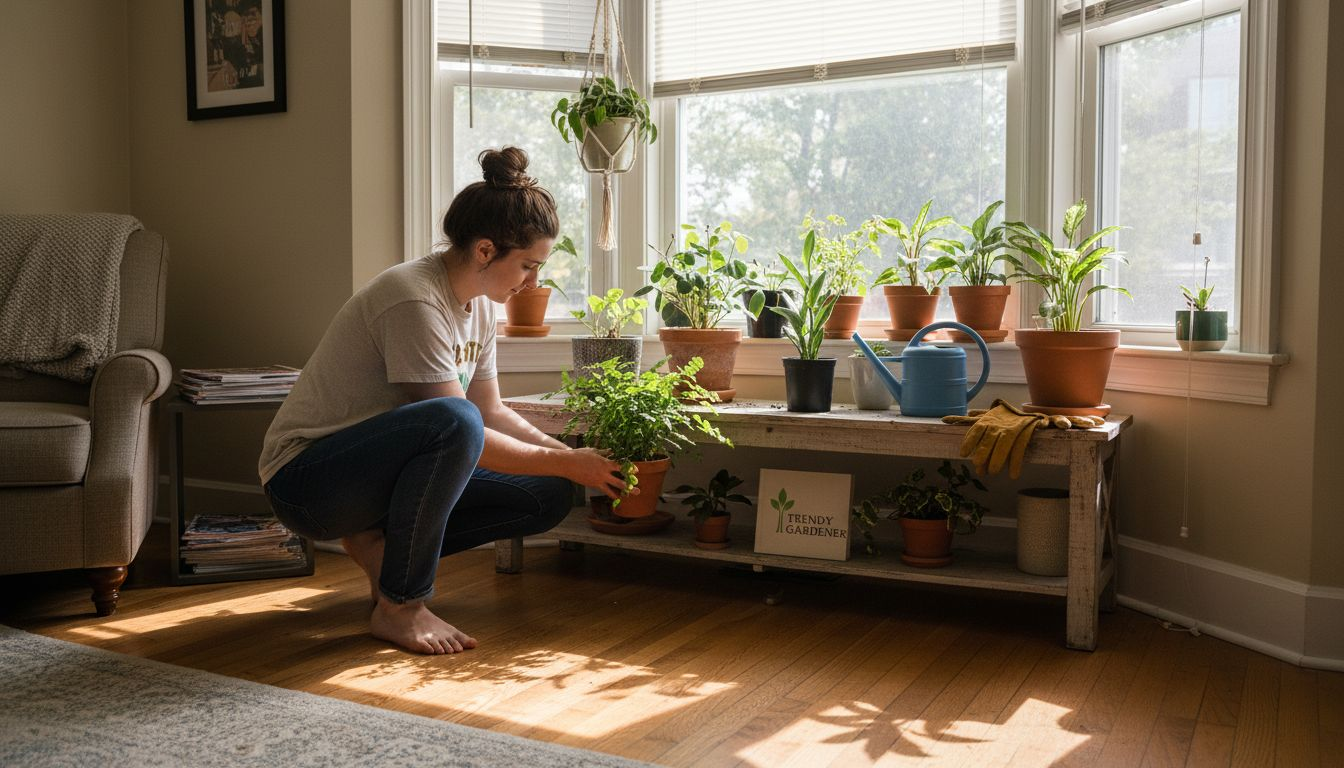
Homeowners experience equally significant benefits, with participants noting a 25% increase in perceived tranquility and comfort within their living spaces after adopting plant gifting programs. The presence of curated plants elevates the intentionality of interior design, transforming homes into environments that feel alive and thoughtfully composed rather than static or sterile. This enhancement translates directly into improved daily wellbeing and satisfaction with living spaces.
Quantified benefits of plant gifting programs include:
- Stress reduction of up to 37% through increased exposure to living greenery
- Air quality improvement with 20 to 30% reduction in airborne pollutants and VOCs
- Employee satisfaction increases of 15% in corporate environments within six months
- Homeowner tranquility and comfort gains of 25% following program adoption
- Enhanced aesthetic appeal contributing to elevated space intentionality
Corporate offices see 15% higher employee satisfaction, while homeowners experience 25% increased tranquility within months of program implementation.
These benefits represent genuine return on investment for both residential and commercial clients. Plant gifting programs deliver improvements that persist as long as plants receive proper care, making them cost-effective interventions for enhancing indoor environments. For organizations specifically interested in workplace applications, commercial plantscaping benefits provides detailed analysis of corporate outcomes. Similarly, exploring how plants boost workspace wellbeing offers Iowa-specific insights into productivity enhancements.
Understanding the role of plants in commercial environments further clarifies strategic implementation approaches for business settings seeking maximum impact from plant programs.
The lifecycle of a premium plant gifting program: from consultation to maintenance
Successful plant gifting programs follow a structured lifecycle designed to ensure plants thrive and deliver lasting benefits. Understanding these operational stages helps clients set realistic expectations and appreciate the comprehensive nature of premium plant services. Each phase builds on the previous one, creating a seamless experience from initial contact through long-term maintenance.
The complete lifecycle unfolds through these key stages:
- Initial consultation: Experts assess your space, measuring light levels, evaluating ambient conditions, and understanding your aesthetic preferences and lifestyle constraints.
- Plant curation: Specialists select plant species specifically suited to your environment, matching light requirements, humidity levels, and maintenance capacity to ensure long-term success.
- Professional installation: Trained technicians deliver and position plants to maximize both visual impact and plant health, considering factors like airflow, light exposure, and spatial flow.
- Scheduled maintenance: Regular visits provide watering, pruning, fertilization, pest monitoring, and health assessments, typically occurring weekly, biweekly, or monthly depending on plant needs and client preferences.
- Long-term care contracts: Programs spanning 6 to 12 months or longer ensure continuity of care, adjusting maintenance protocols as plants mature and seasonal conditions change.
Pro Tip: When evaluating plant gifting programs, confirm that maintenance contracts include health guarantees and plant replacement provisions. This protects your investment and ensures spaces maintain their design integrity even if individual plants encounter health challenges.
The maintenance phase proves critical to achieving the quantified benefits discussed earlier. Without consistent professional care, even expertly curated plants can decline, undermining the aesthetic and wellness objectives that motivated the initial program adoption. Premium providers build maintenance into their service model from the start, recognizing that installation represents only the beginning of the plant lifecycle.
For comprehensive understanding of care requirements, the expert guide to plant care programs details best practices across program types. Additionally, exploring ongoing plant care reveals how sustained maintenance preserves biophilic design benefits over time.
Common misconceptions about plant gifting programs
Several persistent misconceptions prevent potential clients from fully appreciating the value and structure of plant gifting programs. Clarifying these misunderstandings improves decision-making and helps clients evaluate programs accurately. The most common misconceptions center on service scope, ownership models, and cost-benefit perceptions.
Frequent misconceptions include:
- Misconception: Plant gifting programs represent one-time purchases with no ongoing involvement. Reality: Programs include comprehensive care spanning 6 to 12 months minimum, with maintenance visits, health monitoring, and expert support throughout the lifecycle.
- Misconception: Gifting programs function identically to leasing services. Reality: Gifting programs transfer plant ownership to clients, supporting design permanence and long-term aesthetic investment rather than temporary rental arrangements.
- Misconception: Plant programs primarily serve as cost centers for companies without measurable returns. Reality: Corporate programs deliver 15% increases in employee satisfaction and quantifiable improvements in workplace environment quality, representing genuine return on investment.
- Misconception: Any plant retailer can provide equivalent services to specialized gifting programs. Reality: Premium programs combine horticultural expertise, design knowledge, and operational reliability that general retailers typically cannot match at scale.
Pro Tip: When comparing providers, request detailed service agreements outlining exactly what maintenance activities occur during each visit, how often visits happen, and what guarantees cover plant health. This transparency reveals which providers truly deliver comprehensive lifecycle support versus those offering minimal post-installation involvement.
Understanding these distinctions empowers clients to ask informed questions and select programs aligned with their actual needs. Misconceptions often lead to unrealistic expectations or missed opportunities to leverage plant programs effectively. By approaching plant gifting with accurate understanding of service models and benefits, clients position themselves to maximize value from their investment in living greenery.
Comparing plant gifting to leasing and selling: a practical framework
Clients often struggle to differentiate plant gifting programs from leasing arrangements and outright plant sales. Each service model offers distinct advantages depending on client priorities, budget structures, and long-term space planning goals. Understanding these differences clarifies which approach best fits specific residential or commercial needs.
| Service Model | Ownership | Maintenance Included | Typical Duration | Best For |
|---|---|---|---|---|
| Plant Gifting | Client owns plants | Yes, 6-12+ months | Medium to long-term | Permanent design investment, biophilic focus |
| Plant Leasing | Provider retains ownership | Yes, duration of lease | Short to medium-term | Temporary installations, event spaces, flexibility needs |
| Plant Selling | Client owns plants | No, one-time sale | One-time transaction | DIY enthusiasts, existing care capability |
Plant gifting programs transfer ownership to clients while including curated design consultation and ongoing professional maintenance. This model suits clients seeking permanent improvements to their spaces with expert support ensuring plants thrive over time. The gifting approach aligns particularly well with biophilic design objectives requiring sustained plant health and aesthetic cohesion.
Leasing programs offer convenience and flexibility without ownership transfer. Providers maintain ownership and handle all care, making leasing ideal for temporary installations, seasonal displays, or situations where clients want greenery without long-term commitment. However, leasing typically costs more over extended periods and does not build permanent plant assets within the space.
Outright plant sales represent simple transactions without design consultation or maintenance support. This approach works for experienced plant enthusiasts with existing care knowledge and capacity. However, most clients lack the expertise to select appropriate species, position plants optimally, or maintain them successfully without professional guidance.
Key differentiation factors:
- Premium providers dedicate 60 to 70% of their service portfolio to gifting programs specifically, reflecting strong market demand for ownership-based models with maintenance support.
- Gifting programs typically deliver better long-term value for clients planning permanent installations, as upfront investment includes comprehensive care ensuring plants remain healthy and attractive.
- Leasing makes financial sense for short-term needs under 12 months or situations requiring frequent plant rotation to maintain visual interest.
Choosing between these models depends on priorities around permanence, budget structure, and desired level of ongoing involvement. Clients seeking to build lasting biophilic design elements generally find gifting programs offer optimal balance of ownership, expert support, and sustained results.
Applying a plant gifting program to elevate your space: next steps for Iowa homeowners and corporates
Iowa homeowners and corporate decision-makers ready to implement plant gifting programs should follow strategic steps to ensure successful outcomes. The right preparation and provider selection maximize both immediate aesthetic impact and long-term plant health. Tailoring programs to Iowa’s specific regional conditions further enhances results.
Practical implementation steps include:
- Engage expert consultation early: Professional assessment of your space identifies optimal plant species based on actual light levels, humidity, temperature patterns, and spatial constraints specific to Iowa’s continental climate.
- Select regionally appropriate plants: Choose species proven to thrive in Iowa’s indoor conditions, accounting for heating system impacts on humidity and seasonal light variations common in Midwest environments.
- Prioritize long-term maintenance support: Ensure your program includes scheduled maintenance visits aligned with your lifestyle or business operations, preventing plant decline that undermines design objectives.
- Evaluate provider expertise and service scope: Review provider portfolios, client testimonials, and service contracts to confirm genuine horticultural knowledge and operational reliability beyond simple plant retail.
- Align plant selection with design goals: Work with providers to consider biophilic design principles when curating plants, ensuring greenery enhances intended spatial experiences and wellness outcomes.
Pro Tip: Schedule your initial consultation during winter months when indoor conditions prove most challenging for plants. This allows experts to assess your space under demanding conditions and recommend species capable of thriving year-round, not just during optimal seasons.
Successful implementation requires understanding your own capacity and commitment level. Homeowners should honestly assess how much daily attention they can provide between professional maintenance visits. Corporate clients need to consider accessibility for maintenance teams and coordinate program schedules with building operations.
For comprehensive guidance on care requirements and program structures, consult expert plant care guides before finalizing provider selection. This preparation ensures informed conversations with potential providers and helps identify which program features matter most for your specific situation.
Starting with realistic expectations and clear priorities positions both residential and commercial clients for successful plant program adoption that delivers lasting benefits to occupant wellbeing and space quality.
Enhance your space with Trendy Gardener’s premium plant gifting programs
Trendy Gardener delivers comprehensive plant gifting programs specifically designed for Iowa homeowners and corporate environments seeking elevated interiors through expert biophilic design. Our end-to-end services encompass professional consultation, curated plant selection matched to your space and lifestyle, expert installation, and ongoing maintenance ensuring plants thrive long-term.
We work closely with homeowners, interior designers, architects, and builders as a premium biophilic design firm committed to creating spaces that feel intentional, elevated, and alive. Whether you need residential refinement or commercial-scale solutions, our plant gifting programs provide the expertise and operational reliability necessary to transform your environment with living greenery that stays exceptional over time. Learn more about biophilic design principles that guide our work, explore ongoing plant care programs tailored to your needs, or visit Trendy Gardener to discover how we can elevate your space.
FAQ
What is included in a plant gifting program?
A plant gifting program includes expert consultation to assess your space, curated plant selection matched to your environment, professional delivery and installation, and ongoing care spanning 6 to 12 months or longer. This comprehensive lifecycle service goes far beyond a one-time gift, providing scheduled maintenance visits for watering, pruning, fertilization, and health monitoring to ensure plants thrive continuously.
How does plant gifting improve wellbeing in offices and homes?
Plants reduce stress levels by up to 37% while removing 20 to 30% of airborne toxins in indoor environments. This leads to measurably improved comfort, tranquility, and productivity in both residential and commercial settings. Corporate offices report 15% higher employee satisfaction, while homeowners experience 25% increased perceived comfort within months of program adoption.
What should I consider when choosing a plant gifting program for my space?
Consider the provider’s expertise in matching plant species to your specific light levels, humidity, and space constraints. Evaluate the maintenance support included in the program to ensure it fits your lifestyle and capacity for daily care between professional visits. Look for alignment with your aesthetic goals and verify the provider understands biophilic design principles to maximize both visual impact and wellbeing benefits.
How does plant gifting differ from leasing or buying plants outright?
Plant gifting programs transfer ownership to you while including comprehensive design consultation and ongoing maintenance for 6 to 12 months or longer. Leasing programs retain provider ownership and focus on temporary installations without building permanent plant assets in your space. Outright purchases provide no design expertise or maintenance support, requiring you to handle all care independently without professional guidance.
How long do plant gifting programs typically last?
Most premium plant gifting programs span 6 to 12 months as a baseline service period, with many clients extending maintenance contracts beyond the initial program duration. The length ensures plants establish successfully in your space and receive seasonal care adjustments as conditions change. Longer programs deliver greater value by sustaining plant health and design cohesion that maximizes wellbeing and aesthetic benefits over time.